
AHJ S1E4: Augmented Reality Learning – Inside MS
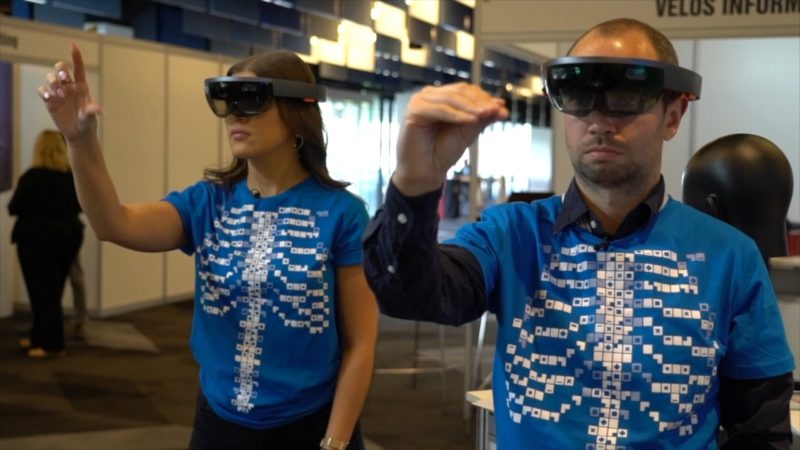
Augmented learning now has application seeing the changes in a patient’s brain with Multiple Sclerosis through MRI data. Australian Health Journal met the people behind the augmented reality visor technology that will soon be used to teach trainee doctors the transitional phases of MS.
The technology has been developed by Novartis and in collaboration with the Sydney Neuroimaging Analysis Centre, located within the University of Sydney’s Brain and Mind Centre and Hatch Australia, a creative design team based in Sydney. To date the technology has been well received by neurology health care specialists attending conferences in Melbourne and in Berlin, Germany. We caught with a demo for all other healthcare professionals at the recent ARCS Conference.

Priming Australia for social prescribing
Social prescribing provides support in various areas of people’s lives, leading to increased confidence, improved navigation of systems, and enhanced friendships and trust in healthcare, while communities should be designed in an age-friendly way to prevent isolation.
In Part 1 of the Models of Care on Social Prescribing, Australian Health Journal spoke to 4 people advocating for social prescribing in Australia
Artificial Intelligence (AI) & data skilling clinicians
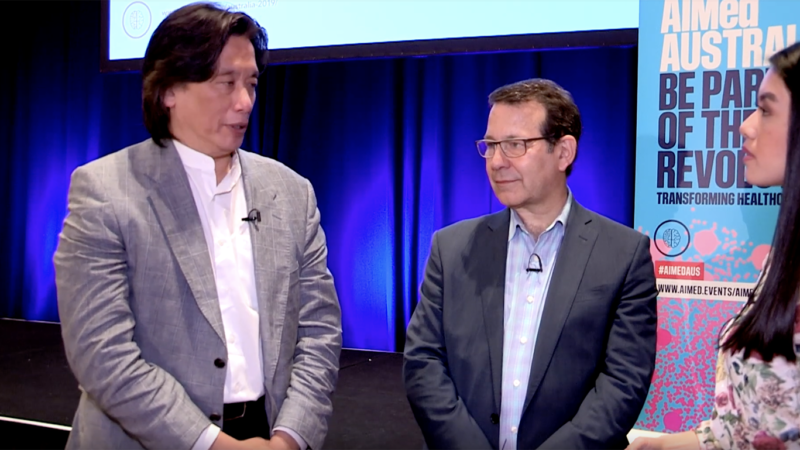
In this first release, world renowned AI and medical data science experts Dr Anthony Chang and Professor Enrico Coiera spoke to Australian Health Journal reporter Anne Dao at AIMed 2019 Sydney. The conference aimed at clinicians and non-clinicians discussed current clinical applications of Artificial Intelligence in medical imaging, decision support, use of predictive healthcare and machine learning.
Mission to raise awareness of sarcoma and need for clinical trial funding
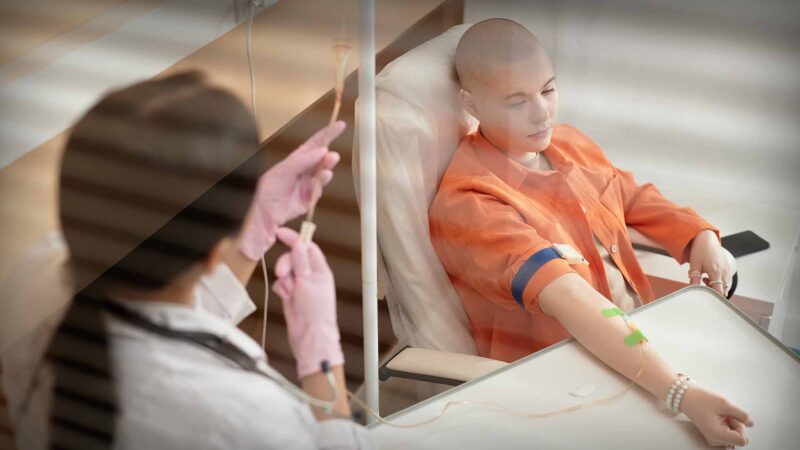
Sarcoma, a rare and aggressive cancer, remains the deadliest cancer for children and young adults, accounting for nearly one third (30%) of cancer-related deaths among those aged 15–24 and one tenth (10%) of those aged 0–14. Further, still severely under-diagnosed, sarcoma only accounts for one sixth (15%) of all cancer diagnoses in the 15 – 24 age group, and less than a tenth (8%) among children under 10.
Health Minister’s Awards for Nursing Trailblazers
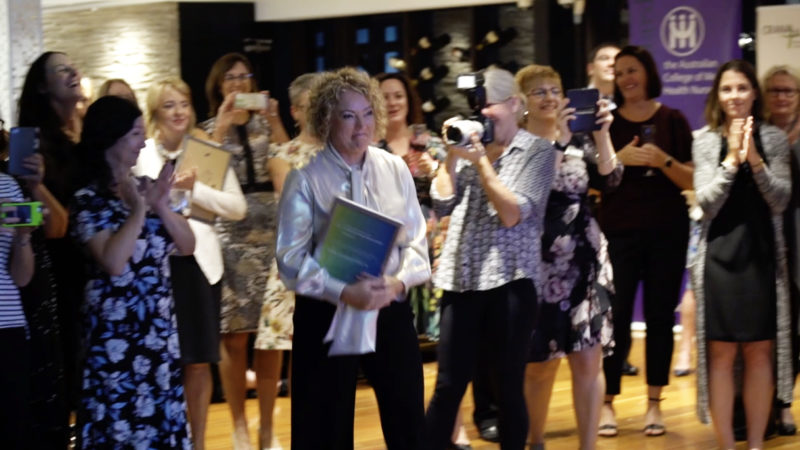
An ACT nurse dedicated to giving people more dignity and choice in their final days was earlier this week night named the inaugural Health Minister’s Nursing Trailblazer at an awards ceremony in Sydney.
Lord Nigel Crisp, Co-Chair Nursing Now and Australian College of Nursing President, Professor Christine Duffield FACN presented the inaugural Health Minister’s Nursing Trailblazer Award to Nikki Johnston MACN, a Palliative Care Nurse Practitioner based in Canberra at Calvary Health Care’s Clare Holland House.
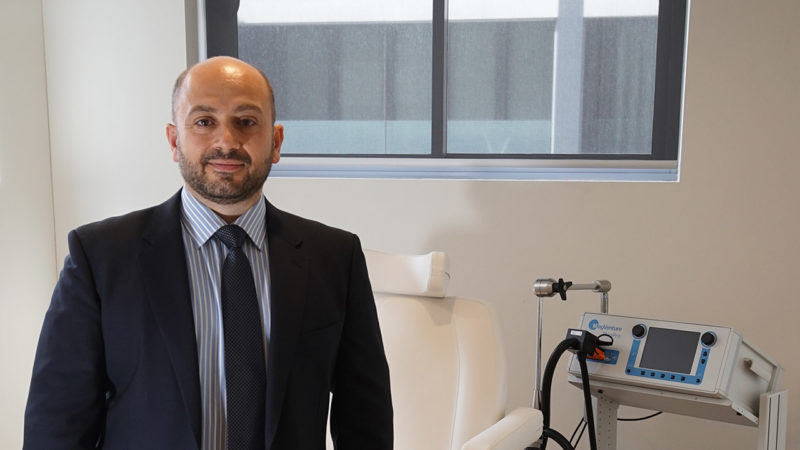
AHJ S1E1: Sydney TMS: Transcranial Magnetic Stimulation
TMS (Transcranial Magnetic Stimulation) is a mild form of brain stimulation. Magnetic fields, generated by a coil placed on the head, are used to stimulate a small area of the brain. It is a non-invasive procedure that treats the symptoms of depression through the use of magnetic fields that stimulate nerve cells. The stimulation takes 20-30 minutes and given on an outpatient basis. While receiving stimulation, the patient is fully awake.
It can be use to treat patients who have little success with common treatments e.g., medication, psycho-therapy.
Sydney TMS operates 3 clinics in Australia that provide TMS treatment to patients. Founder Dr Jason Pace spoke with Australian Health Journal