
AHJ S1E4: TAVI 10 Year Anniversary
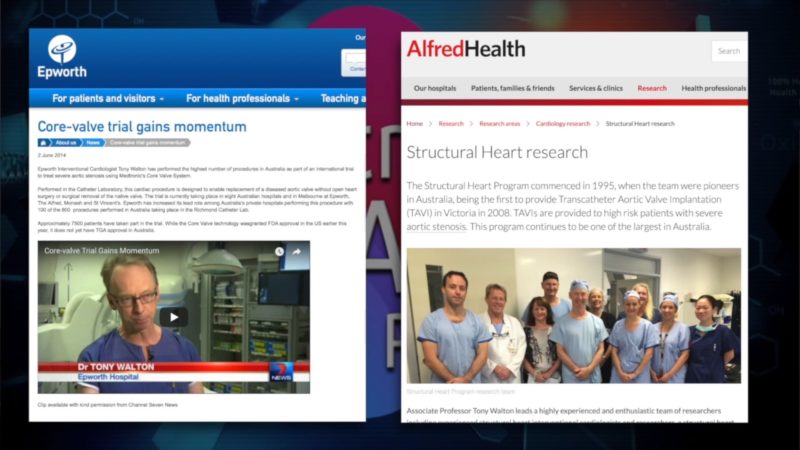
2018 marks the 10 year anniversary of the TAVI device, short for the Transcatheter Aortic Valve Implantation. The TAVI system enables the replacement of a diseased aortic valve without open-heart surgery or surgical removal of the native valve.
This minimally invasive surgical option reduces operating time and allows for a shortened recovery period for patients.
AHJ met with the cardiologist teams in Melbourne’s Epworth and Alfred Hospital who have involved in implanting the device over the past 10 years.
Interviews:
- Associate Professor Tony Walton, Epworth Hospital, Director of Catheter Laboratory and Deputy Director of Cardiology – Alfred Health
- Associate Professor Ron Dick, Director of Cardiac Sciences – Epworth Healthcare
- Professor Stephen Duffy, Alfred Health

State of Private Hospitals sector in Australia
During Mr Roff’s working career at APHA he has represented the private hospitals sector to nine different Federal Health Ministers and eight Prime Ministers. He believes the government should take steps to regulate the health insurance industry to protect consumers and ensure that Australians have access to affordable and comprehensive healthcare services.
Episode 3 Season 1
Australian Health Journal returns with Episode 3. In this episode we report on devices shown at the 2018 CeBIT show, Early Career Cancer Researcher and Parkinson’s Disease.

Warning signs of substance abuse and addiction
Tara Hurster, is the CEO of The TARA Clinic and a psychologist who started working within the area of addiction in 2010. The TARA clinic, short for Therapeutic Addiction Recovery Assistance, recently started offering online programs to overcome and recover from addiction.
Tara spoke with Australian Health Journal about the early warning signs of anxiety and stress in health staff and executives, including irritability, changes in sleep patterns and diet leading to more serious mental health decline. These behaviours and symptoms increase the risk of substance abuse that could take the form of excessive smoking, drinking alcohol and drug use, porn, sex and gambling.

Research Australia Awards celebrate researchers in life-changing science and discovery
For more than two decades, the Research Australia Health & Medical Research Awards have recognised the individuals and teams transforming health outcomes across the country. Now in their 22nd year, these prestigious awards showcase the depth and breadth of Australia’s research and innovation community — from discovery and translation through to commercialisation.
Child Dental Benefits Schedule needing greater awareness
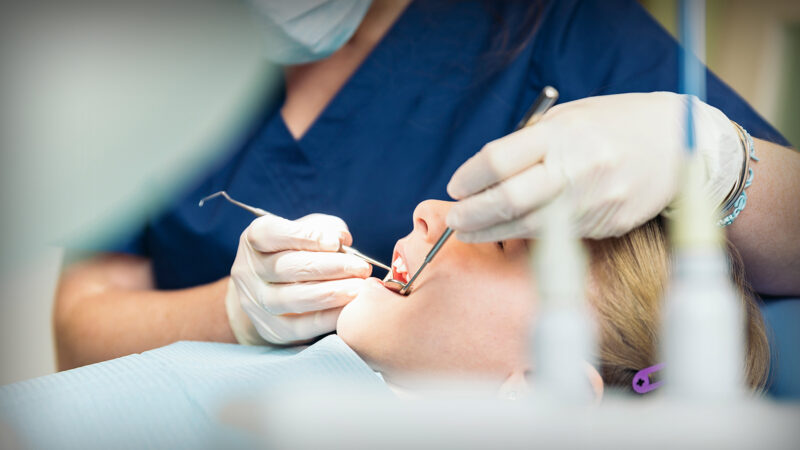
Since its launch in 2014, the Child Dental Benefits Schedule has seen a gradual increase in participation year on year. The impact of COVID-19 and related shutdowns saw participation fall sharply in 2020. Though it increased 2021, the national target of 41% participation was not reached in 2021-2022, with the total (35.4%) more than three percent below 2018 participation rates.
In an opinion segment, Australian Health Journal spoke with Abano Healthcare Group Clinical Director, Dr Fred Calavassy, with over 30 years of clinical experience, about his observations of the Child Dental Benefits Scheme ways to increasing participation rates.