
-
Jack Lancaster, Evolution Surgical
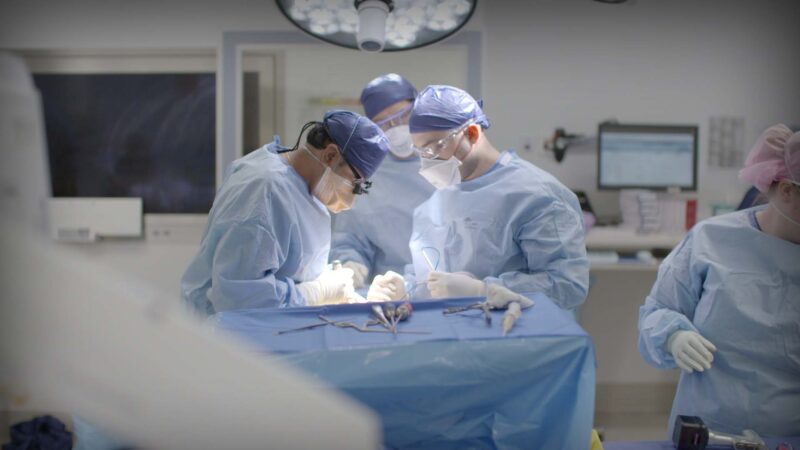
Continuing the Australian Health Journal, People In Health Care series is Jack Lancaster, the CEO of Evolution Surgical, an Australian owned company established in 2014, specialising in spinal fusion implants and custom instrumentation.
Jack talks about how the company works closely with surgeons to design custom solutions manufactured to surgical requirements, and ultimately, to the benefit of the Australia patient.
-
Unleashing the potential of Paramedic skills and knowledge
According to a prominent paramedicine academic and researcher, paramedics have the potential to provide much-needed care in the community, changing the traditional healthcare model. Research points to paramedics having a wider healthcare workforce impact based on their ability to identify and fix problems 24/7.
Dr. Brendan Shannon is Head of Postgraduate Programs in the Department of Paramedicine at Monash University and a member of The Australasian College of Paramedicine. His interests including refining healthcare models, to ensure underserved communities receive requisite care. These alternative care pathways, like outreach programs, can work out of hospitals to provide care in underserved communities with social and complex chronic conditions.
-
HEALTH CARE BRIEF: Pelvic Floor Dysfunction
Pelvic Floor Dysfunction – Lived experience, symptoms, diagnosis and treatment options
Post Views:
1,057
Sydney North Neighbourhood Health Hubs to approach health and welfare in holistic way


Categories
- Allied Health 21
- Associations 57
- ARCS Australia 6
- Australasian College of Paramedicine 2
- Australian College of Nursing 13
- Australian Healthcare and Hospitals Association 9
- Australian Primary Health Care Nurses Association 3
- Consumers Health Forum of Australia 3
- Medical Technology Association of Australia 11
- Medicines Australia 2
- Pharmacy Society of Australia 5
- Royal Australian College for General Practitioners 3
- Australian state 35
- Awareness 3
- Bowel and Intestine 3
- Brain and Mind 29
- Cancer 9
- Career 54
- Charities 1
- Chronic disease 3
- Clinical Trials 31
- Conferences 14
- Core muscles 2
- Dental 14
- Ear, nose and throat ENT 2
- Education 18
- Endocrinology 7
- Episodes 6
- Eye Health 5
- FULL CIRCLE DIGITAL HEALTH 1
- Gastroenterology 2
- General Practice 13
- Global Health 1
- Government 30
- Haematology 2
- Health System 113
- Accessibility 5
- Allied Health 3
- Awards and Recognition 5
- Comprehensive Centre 1
- Consumer involvement 3
- Decision Support 1
- Disease Preparedness 1
- Funding 1
- Government 18
- Health Policy 9
- Industry 2
- Job Skills and Training 6
- New Models of Care 14
- Occupational Therapy 5
- Population screening 2
- Preventive Health 4
- Private Health 1
- Public Health 6
- Regulatory and Reimbursement 6
- Scope of Practice 5
- Social Prescribing 1
- Value-Based Health Care 4
- Workforce growth 12
- Workforce Survey 1
- Workforce wellbeing 6
- Heart 7
- Hospitals and Clinics 63
- Anaesthesia 3
- Co-design and adoption 6
- Construction 2
- COVID-19 3
- Emergency Department 7
- Environment / Sustainability 3
- Equipment 2
- Funding and Operating Models 7
- Health Services and Systems 4
- Infection Control 4
- Planning, Culture and Growth 2
- Point of Care 4
- Private Hospitals 1
- Surgery 6
- Workflow 1
- Wound Management 2
- Immunology 2
- Industry 1
- Infectious disease 1
- Innovation 11
- International health and research systems 1
- Lived Experience 2
- Lung 4
- Markets 1
- Media Partners 3
- Medical Devices 19
- Medical Imaging 7
- Medical Management 1
- Medical Research 26
- Medical Technology 5
- Medicine 12
- Microbiota 1
- Musculoskeletal 6
- New Content 328
- Nursing 36
- Nutrition 3
- Oncology 6
- Op-Ed 3
- Oral Health 4
- Paramedics 5
- Patients 17
- Pharmacy 13
- Philanthropy, Foundations and Charity 2
- Population 80
- Aboriginal 3
- Cosmetic surgery 1
- Defence 2
- Disability 3
- Diversity, inclusion and equity 3
- Frail, Homebound and Bedridden Population 4
- Homeless 1
- Marginalised 1
- Men's Health 1
- Middle-aged 2
- New Parents 1
- Newborn / Neonatal 1
- Paediatric 13
- Palliative 2
- Rural and Remote 8
- Seniors and Aged Care 10
- Veterans 1
- Women and child birth 7
- Women's Health 14
- Youth 2
- Primary Health 16
- Region 1
- Reproduction, pregnancy & child birth 1
- Research 39
- Research to Practice 1
- Space Health & Medicine 2
- Startups 3
- Technology 46
- Training and Career 32
- Workforce sustainability 1