

How I Became an Emergency Physician
Dr Kim Hansen was initially attracted to emergency medicine because of its dynamic and chaotic environment. She enjoyed organising the chaos of the emergency department and working with a variety of patients, from newborn babies to centenarians. Dr Hansen found it fulfilling to help people get better or provide them with assistance and guidance when they couldn’t be cured. The unpredictability of the work was also part of the appeal, and she dedicated herself to developing the skills required to be a good emergency doctor.

Primary care remodelled
Tracey Johnson is the CEO of Inala Primary Care, a not-for-profit general practice located in Inala serving approximately 7000 patients; 4400 of whom attend clinic regularly. Inala is a suburb of Brisbane, Queensland and has a population of great cultural and linguistic diversity, with just under 40% of residents speaking English at home. It is also one of Queensland’s most socioeconomically marginalised urban areas.
Australian Health Journal spoke with Tracey on the role of Inala Primary care in reducing hospital admissions.

Continuing education program leads to better conversations
Medicines Australia’s Continuing Education Program (CEP) is designed to educate medical representatives to a recognised industry standard. Dr Tristan Ling, CEP Academic Lead and Project Manager at the College of Health and Medicine, University of Tasmania talks about the 900 students that come through the program each year.
The CEP is primarily directed at medical representatives working within the prescription medicines industry, but is also recommended to people who may not be currently employed within the industry but would like to pursue a career as a medical representative. It is also available to personnel working for organisations interacting with the pharmaceutical industry.
Continuity of Care under COVID-19
Series 3, Episode 1
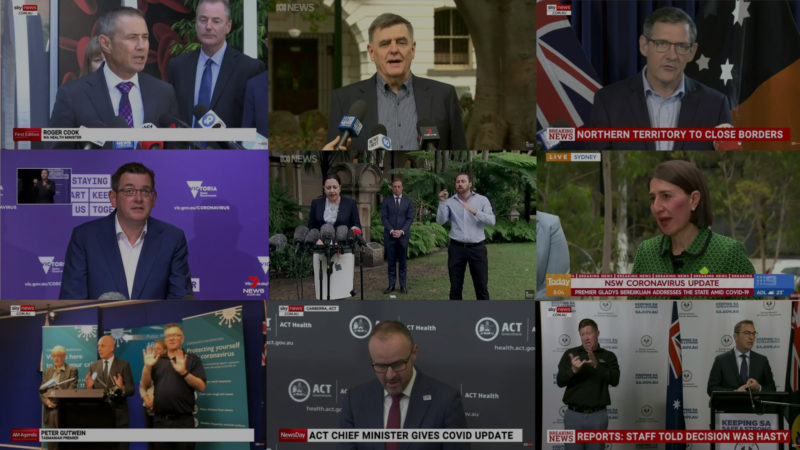
Under the COVID-19 pandemic, the Australian Healthcare system has handled the public health crisis by monitoring and responding to challenges in supply chains, testing & tracing of new infections and stock piling of essential equipment.
The public has largely responded by practising social distancing, understanding how hand hygiene can spread contagion and recently installing the COVIDSafe mobile application. Public health messaging has been largely effective and literacy improve, to combat the dangers of misinformation.
To open up access to medical advice during the pandemic, in March the Australian government issued MBS item codes for telehealth consultations, for advanced practice nurses as well as GPs and other specialists.
According to AMA President Dr Tony Bartone, as of mid-May 2020, around 10 million Medicare-funded telehealth services have been provided, either over the phone or via video, a significant majority of which have been provided by GPs and other specialists since the Medicare telehealth items were introduced in March.
However in recent months, the health system has mounting concerns on:
- a reduction in general practice visits for testing, investigation or immunisation
- lower rates of elective procedures resuming since being halted
- reduction in laboratory testing
- reduction in treatments and diagnosis of chronic and acute conditions
- access to, and continuing to take medications
Those with pre-existing conditions have been urged to keep appointments and routine treatments to maintain their health.
Industry has taken action such as the newly formed Continuity of Care Collaboration (CCC). The 15 health organisations forming CCC are an Australian first national communication collaboration of Peak Bodies, Industry and Healthcare Organisations coming together to stress the importance for people to continue monitoring their health and maintaining their regular care.
This Australian Health Journal episode on the continuity of care was produced with commentary from the following health industry associations and organisations: APNA – Australian Primary Health Care Nurses Association, RACGP, Medical Technology Association of Australia (MTAA), West Cessnock Medical Practice, Consumers Health Forum of Australia, Medicines Australia
International Nurses Day 2019
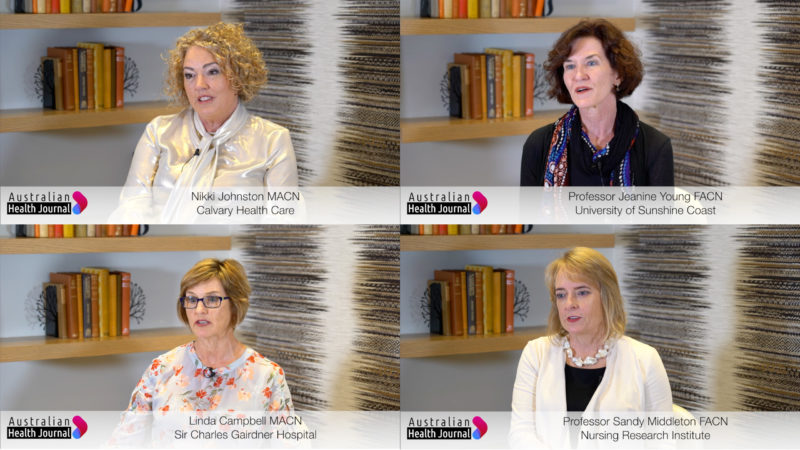
Ahead of International Nurses Day on Sunday 12th May 2019, Australian College of Nursing (ACN) hosted the Health Minister’s Award for Nursing Trailblazers. Australian Health Journal met with the finalists and the winner for 2019, Nikki Johnston.

Maximising benefits, minimising harms in population health screening
Population screening is an important contributor to advancing health outcomes through the early detection of and successful intervention for chronic disease. The evolution of science, technology and evidence relating to diseases which are or may be amenable to a population screening approach deserve broad discussion and the sharing of expertise and evidence. They also warrant close scrutiny in context of health policy and health resource allocation considerations.
In March, Public Health Association of Australia (PHAA) convened Screening Conference Conference 2025 with the theme of ‘Population Screening for Chronic Disease – Maximising Benefits, Minimising Harms’.