
-
Entering The New Health Frontier
A new parliamentary report ‘The New Frontier: Delivering better health for all Australians’ is recommending significant reforms to the health care system to ensure Australians have better and faster access to the wave of new medicines and technologies.
The bipartisan report makes 31 recommendations to reform Australia’s system for the regulation and reimbursement with the hope that patients will receive faster access to the latest medicines and technologies.
-
World-first clinical trial improves patient outcomes for kidney transplants
A world-first clinical trial conducted at the Royal Adelaide Hospital (RAH) and at hospitals across Australia and New Zealand has identified the best fluid treatment to reduce the risk of patients requiring dialysis after a kidney transplant.
Australian Health Journal spoke with the lead-author of the study, RAH Nephrologist and University of Adelaide researcher, Dr Michael Collins.
-
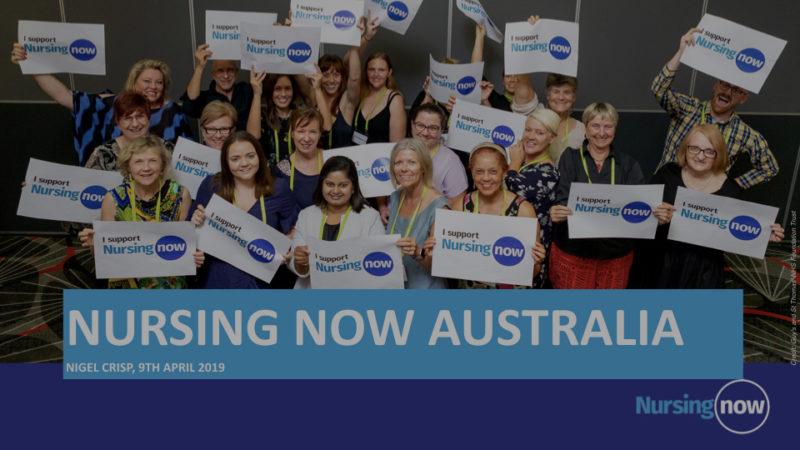
Nursing Now Australia Launches
The evening of Tuesday 9th April saw the launch of Nursing Now Australia in Sydney, with Lord Nigel Crisp, Co-Chair of Nursing Now.
Professor Christine Duffield FACN, President of Australian College of Nursing welcomed the start of the campaign and explained the relevance to Australian Nurses.
Post Views:
2,919
Continuing education program leads to better conversations


Categories
- Allied Health 21
- Associations 57
- ARCS Australia 6
- Australasian College of Paramedicine 2
- Australian College of Nursing 13
- Australian Healthcare and Hospitals Association 9
- Australian Primary Health Care Nurses Association 3
- Consumers Health Forum of Australia 3
- Medical Technology Association of Australia 11
- Medicines Australia 2
- Pharmacy Society of Australia 5
- Royal Australian College for General Practitioners 3
- Australian state 35
- Awareness 3
- Bowel and Intestine 3
- Brain and Mind 30
- Cancer 9
- Career 55
- Charities 1
- Chronic disease 3
- Clinical Trials 31
- Conferences 14
- Core muscles 2
- Dental 14
- Dermatology 1
- Ear, nose and throat ENT 2
- Education 19
- Endocrinology 7
- Episodes 6
- Eye Health 5
- FULL CIRCLE DIGITAL HEALTH 1
- Gastroenterology 2
- General Practice 13
- Global Health 1
- Government 30
- Haematology 2
- Health System 114
- Accessibility 5
- Allied Health 3
- Awards and Recognition 6
- Comprehensive Centre 1
- Consumer involvement 3
- Decision Support 1
- Disease Preparedness 1
- Funding 1
- Government 18
- Health Policy 9
- Industry 2
- Job Skills and Training 6
- New Models of Care 14
- Occupational Therapy 5
- Population screening 2
- Preventive Health 4
- Private Health 1
- Public Health 6
- Regulatory and Reimbursement 6
- Scope of Practice 5
- Social Prescribing 1
- Value-Based Health Care 4
- Workforce growth 12
- Workforce Survey 1
- Workforce wellbeing 6
- Heart 7
- Hospitals and Clinics 63
- Anaesthesia 3
- Co-design and adoption 6
- Construction 2
- COVID-19 3
- Emergency Department 7
- Environment / Sustainability 3
- Equipment 2
- Funding and Operating Models 7
- Health Services and Systems 4
- Infection Control 4
- Planning, Culture and Growth 2
- Point of Care 4
- Private Hospitals 1
- Surgery 6
- Workflow 1
- Wound Management 2
- Immunology 2
- Industry 1
- Infectious disease 1
- Innovation 11
- International health and research systems 1
- Lived Experience 2
- Lung 4
- Markets 1
- Media Partners 3
- Medical Devices 19
- Medical Imaging 7
- Medical Management 1
- Medical Research 27
- Medical Technology 6
- Medicine 12
- Microbiota 1
- Musculoskeletal 6
- New Content 331
- Nursing 36
- Nutrition 3
- Oncology 6
- Op-Ed 3
- Oral Health 4
- Paramedics 5
- Patients 17
- Pharmacy 13
- Philanthropy, Foundations and Charity 2
- Population 80
- Aboriginal 3
- Cosmetic surgery 1
- Defence 2
- Disability 3
- Diversity, inclusion and equity 3
- Frail, Homebound and Bedridden Population 4
- Homeless 1
- Marginalised 1
- Men's Health 1
- Middle-aged 2
- New Parents 1
- Newborn / Neonatal 1
- Paediatric 13
- Palliative 2
- Rural and Remote 8
- Seniors and Aged Care 10
- Veterans 1
- Women and child birth 7
- Women's Health 14
- Youth 2
- Primary Health 16
- Region 1
- Reproduction, pregnancy & child birth 1
- Research 40
- Research to Practice 1
- Space Health & Medicine 2
- Startups 3
- Technology 46
- Training and Career 33
- Workforce sustainability 1