

Enhancing occupational therapy service provision with military veterans
Almost half a million Australians have served with the Australian Defence Force. Given the high prevalence of physical and mental health conditions and complexity of civilian life adjustment after military service, high-quality occupational therapy services are critical. However, there is limited description of occupational therapy service provision to individuals funded by the Australian Department of Veterans’ Affairs to inform government policy.
A cross-sectional study, led by Professor Carol McKinstry, Professor of Occupational Therapy and Deputy Dean with La Trobe University’s Rural Health School at the Bendigo campus has used an online survey to collect information from occupational therapists providing services to Department of Veterans’ Affairs clients.
Pharmacy led men’s urological health
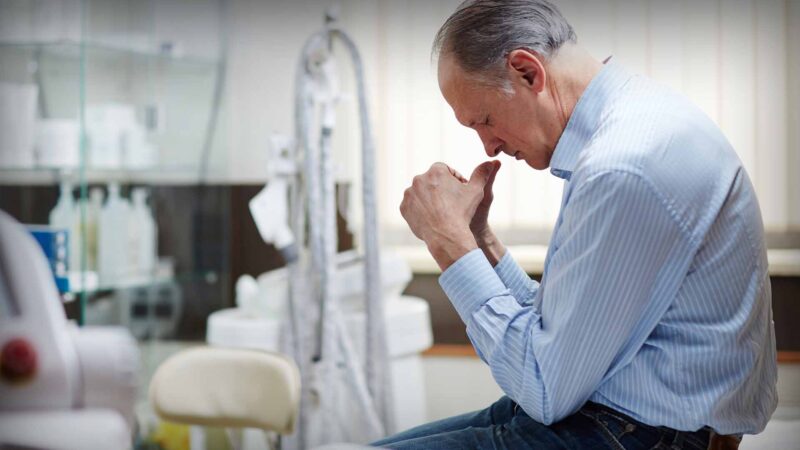
Men’s urological needs refer to the medical and surgical conditions that affect the male urinary tract system and reproductive organs.
A urologist can address these concerns, however a pharmacy-led model of care developed by Brad Butt, called Mens Health Downunder has offered an alternative to certain urological needs of the male adult population over the past 10 years.
Australian Health Journal met with Brad to hear about his journey, Mens Health Downunder and the impact the pharmacy-led model of care has had on patient’s urological as well as mental health.

Ensuring stringent quality standards in the lifecycle of medical devices
Dr Jasjit Baveja is the Associate Director of Policy at the Medical Technology Association of Australia (MTAA), where she oversees regulatory affairs, clinical code of practice, procurement, industry policy, reimbursement, and advocacy. With over 20 years of experience in the medical device regulatory space, Dr Bavej’s expertise lies in providing educational opportunities for regulatory professionals in Australia to ensure continuous learning and professional development. She collaborates closely with the Therapeutic Goods Administration (TGA) to run workshops that provide invaluable experience, networking opportunities, and skill enhancement.

Landmark Australian-led study revises thresholds to diagnose and treat anaemia
In 2014, WEHI researchers began a study at the request of the World Health Organization (WHO), to formally review its global anaemia guidelines that were last updated in 1968.
Study lead and Acting WEHI Deputy Director, Professor Sant-Rayn Pasricha, speaking to Australian Health Journal said while anaemia can be diagnosed by measuring the amount of haemoglobin in the blood, there is currently no consensus on the thresholds that should be used to define the condition.
AHJ S1E2: Bipolar Disorder Research by Brain Dynamics Centre
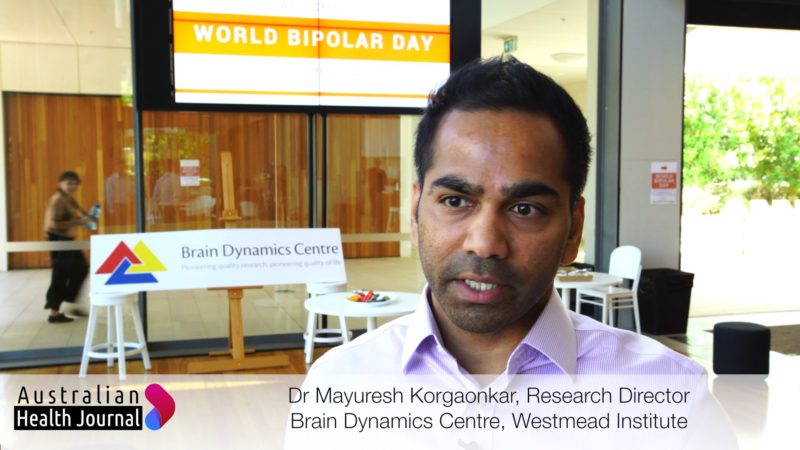
The Brain Dynamics Centre, part of Westmead Institute for Medical Research held a community day for World Bipolar Day on 30th March 2018.
The event was MCed by Dr Mayuresh Korgaonkar, Research Director of Brain Dynamics Centre and Senior Research Fellow of the University of Sydney.
Mayuresh is managing research through the project “Brain Connectivity Imaging Markers to Confirm Diagnosis for Bipolar vs. Unipolar Depression – A Connectome Approach.”
The bipolar group at Westmead Institute of Medical Research is recruiting participants with bipolar disorder, major depression, and controls for participation in this research.
National incubator shifts into gear, announcing vaccine and infectious disease innovation cohort
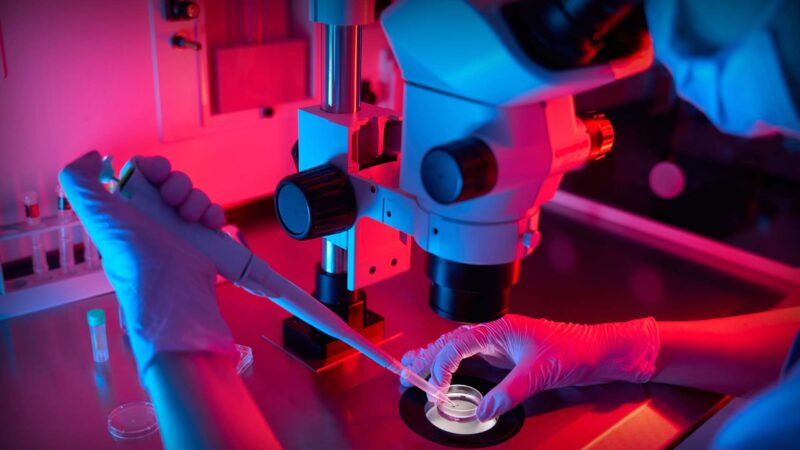
Biointelect Venturer has announced six Australian infectious disease innovations will share $10.48 million in the incubator’s first funding round giving the successful research teams the ability to advance their early-stage breakthroughs to commercial and investment readiness.