

Calls for National Social Prescribing Scheme
The Royal Australian College of General Practitioners (RACGP), Consumers Health Forum of Australia (CHF) and Mental Health Australia are urging the government to implement a national social prescribing scheme to tackle Australia’s mental health and wellbeing crisis.
Mental ill health is a growing problem in Australia and has been made worse by the COVID-19 pandemic. Since 2017, GPs across Australia have rated mental health as the most common presentation they see as part of the RACGP’s annual Health of the Nation survey. Approximately 20% of patients consult their GP for what are primarily social problems.
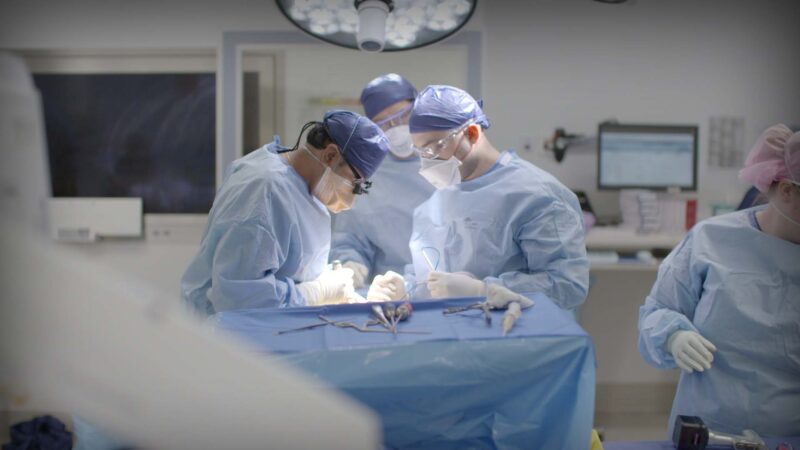
Jack Lancaster, Evolution Surgical
Continuing the Australian Health Journal, People In Health Care series is Jack Lancaster, the CEO of Evolution Surgical, an Australian owned company established in 2014, specialising in spinal fusion implants and custom instrumentation.
Jack talks about how the company works closely with surgeons to design custom solutions manufactured to surgical requirements, and ultimately, to the benefit of the Australia patient.

Sharing the same goals in value-based procurement
Value-based procurement (VBP) is a journey, not a sprint. It’s about putting the patient at the centre of quality affordable healthcare through changes in procurement practices for medical technologies. Patient outcomes drive value and sustainability, not just price. The bigger picture indicates that VBP will create system cost saving through benefitting patients, rather than trying to attain the reverse – a win-win outcome.

Bionic eye trial shows improvements in functional vision for retinitis pigmentosa
Results of the first clinical trial of Australia’s ‘second generation’ bionic eye have demonstrated ‘substantial improvement’ in four participants’ functional vision, daily activities and quality of life over a period of more than two and a half years.
Led by the Centre for Eye Research Australia, Bionics Institute, University of Melbourne and Royal Victorian Eye and Ear Hospital, the trial findings add to interim results which showed that the second-generation bionic eye developed by Australian company Bionic Vision Technologies provided rapid improvements for four patients with blindness caused the genetic eye condition retinitis pigmentosa.

New Generative AI and machine learning frontier on unused patient care data
Drawing from GE’s 125-year legacy in healthcare, Amit Yadav, CEO GE HealthCare ANZ is leading efforts to integrate AI into medical imaging devices and optimise workflow efficiencies. He stresses the importance of leveraging the vast amount of untapped healthcare data, with an emphasis on automating manual processes to enhance productivity. Additionally, his focus extends to utilising AI for workflow optimisation and ensuring compliance with local regulations and standards to prioritise safety.

Thyroid health into pregnancy
‘Without an adequate amount of thyroid hormone mothers can be exposed to hypertensive disorders of pregnancy, including gestational hypertension and preeclampsia or eclampsia, which affect around 10% of pregnant women and are the leading causes of maternal and neonatal mortality worldwide. Mothers who suffer from hypertensive disorders during pregnancy are at increased risk of long-term cardiovascular consequences and hypertensive disorders in subsequent pregnancies. Evidence also indicates a risk of reduced cognitive ability to their offspring.
‘Knowing if you are genetically predisposed to Hashimoto’s or Graves’ Diseases, which are both thyroid autoimmune disorders is important to be aware of, to ensure all appropriate tests are ordered. Autoimmune disorders may predispose mothers to a thyroid problem during pregnancy’, says Professor Creswell Eastman, who also serves as the ATF’s Principal Medical Advisor.