
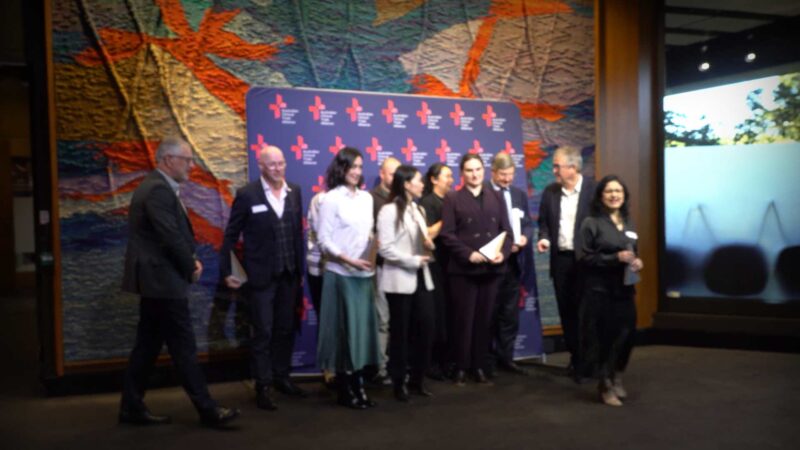
Recognising clinical trials and the people behind the research
Australia’s clinical trials community came together to celebrate outstanding research and recognise the people and teams making a meaningful difference to healthcare at the 2026 ACTA Trial of the Year Awards.
Now in its 10th year, the awards continue to shine a light on investigator-led clinical trials and initiatives that are improving clinical practice, influencing healthcare policy and delivering better outcomes for patients across Australia and beyond.

Reframing women’s health as a system-wide agenda across innovation, regulation, workforce and policy
Professor Robyn Norton AO FAHMS is one of the two Founding Directors of The George Institute for Global Health, Professor of Public Health at UNSW Sydney and Emeritus Professor of Global Health at Imperial College London. Robyn co-established The George Institute’s Global Women’s Health Program and more recently the Centre for Sex and Gender Equity in Health and Medicine, where she co-leads the Business Translation Working Group. Robyn is a director on the board of the Black Dog Institute, a member of the Women in MedTech Committee of the MTAA and a member of Chief Executive Women. She also chairs the NHMRC’s Gender Guidelines Development Committee and the Advisory Board of the Network of Excellence in Women’s Health at Imperial College London.
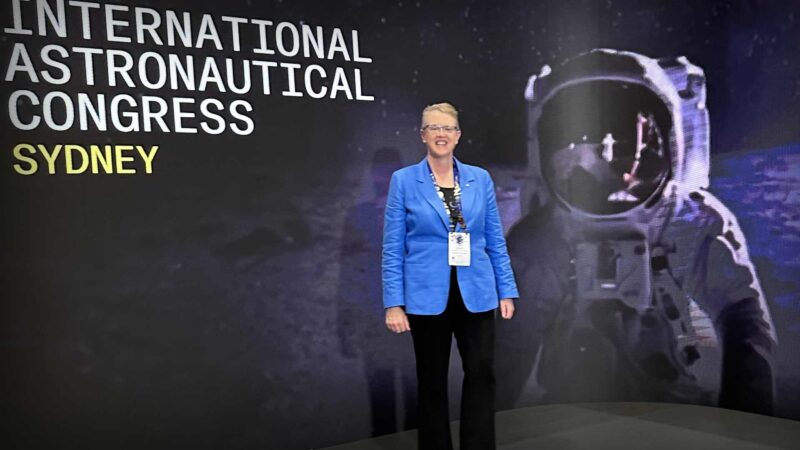
Space Health & Medicine on Australia’s Clinical Launchpad
Professor Smart is a veteran, medical doctor, health leader, aerospace medicine specialist, and retired Royal Australian Air Force (RAAF) senior officer. She is currently at the Professor, Military and Aerospace Medicine at the Australian National University (ANU), and serves as the Interim Director of the ANU Defence Institute, and as a Mission Specialist at the ANU Institute for Space. She previously served as the University’s COVID-19 Public Health Lead from 2020 to 2022.
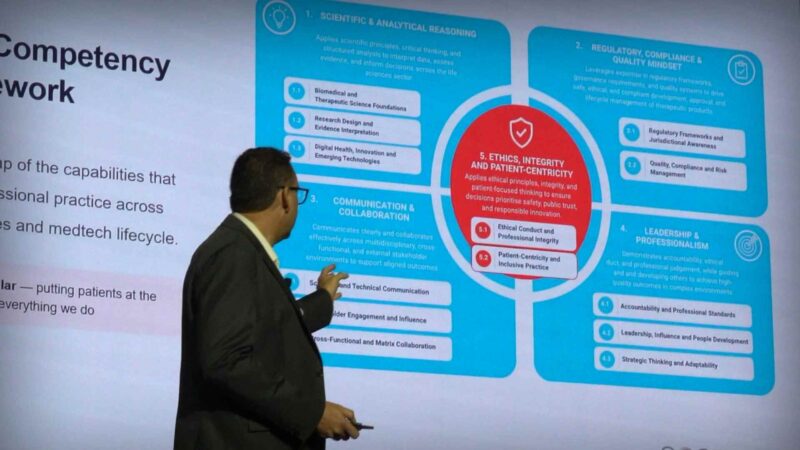
New reimagined identity LifeSciences Australia repositions for sector
In June 2026, ARCS Australia formally became LifeSciences Australia — a name chosen to reflect the role the organisation plays across Australia’s life sciences sector.
Over more than 40 years, ARCS has grown well beyond its origins as a training and education body for regulatory and clinical specialists. Today, the organisation supports professionals across the entire life sciences sector — from early research through regulation, development and commercialisation — through an expanding range of programs and initiatives.
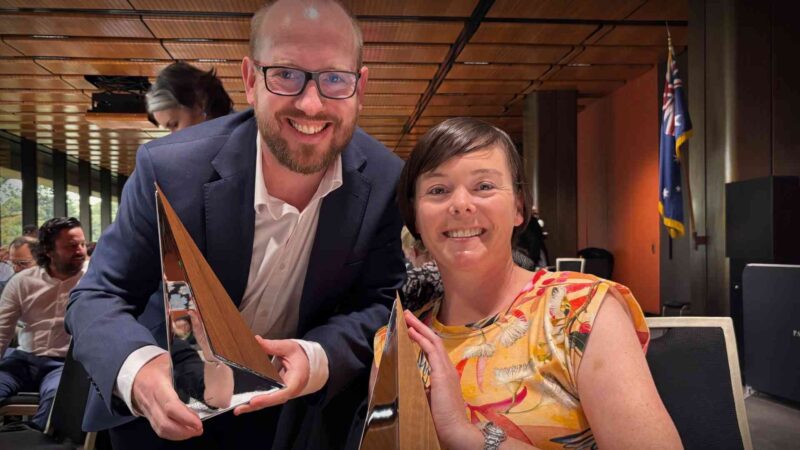
ICTD: Why negative results in clinical trials matter
To mark International Clinical Trials Day 2026, Australian Health Journal commences a 4 part special series leaving up to 20th May. Through conversations with leading researchers, clinicians and trial organisations, the series highlights achievements in the year that was for clinical trials.
Negative results in a clinical trial can be extremely valuable — both scientifically and ethically. A “negative result” usually means the treatment being tested did not work better than the standard treatment, placebo, or expected outcome.
Negative results in a clinical trial can be extremely valuable — both scientifically and ethically. A “negative result” usually means the treatment being tested did not work better than the standard treatment, placebo, or expected outcome.
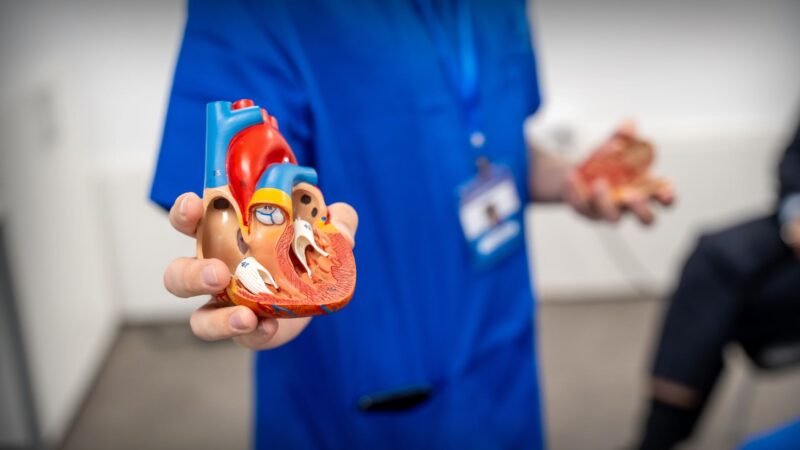
LIVED EXPERIENCE: severe aortic valve stenosis (aortic stenosis)
A Batemans Bay grandfather who dismissed months of breathlessness and fatigue as “just getting older” is now preparing to travel to Singapore to meet the technicians who hand-stitched the heart valve that helped save his life.
In April 2026, retired logistics courier, Geoff Lewis, 75, collapsed in front of his daughter and grandchildren while on holiday in Thailand, after months of symptoms he had ignored. The collapse would lead to a diagnosis of severe aortic stenosis and urgent treatment back home.