

Patient family develops app for improved adherence and clinical outcomes
Darron Goralsky, a physiotherapist with over 30 years of experience, is the Clinical Director and Founder of Melbourne TMJ and Facial Pain Centre. He leads a multidisciplinary team dedicated to treating jaw pain, facial pain, and headaches. Goralsky has observed a rise in musculoskeletal issues among younger populations, largely due to increased screen time and poor posture, trends that intensified during the COVID-19 pandemic. Emphasising technology integration and patient responsibility, he believes digital health solutions play a crucial role in improving adherence and outcomes for both patients and caregivers.

Digital tools help hospitals reduce missed appointments
Nicole Nixon, CEO of Five Faces, says the Brisbane-based digital experience and software platform company is helping hospitals make outpatient and perioperative patient journeys easier for both patients and clinicians.
In an interview with the Australian Health Journal filmed at Australasian Institute of Digital Health (AIDH) recent HIC26 conference in Sydney, Nixon explains how Five Faces’ digital front door platform supports patients from the moment an appointment is created, providing information about appointments, preparation, hospital facilities and wayfinding. Patients can also complete digital forms and receive timely notifications, reminders and resources designed to reduce missed or cancelled appointments.

ICTD: Clinical trials in regional, rural and remote Australia
To mark International Clinical Trials Day 2026, Australian Health Journal commences a 4 part special series leaving up to 20th May. Through conversations with leading researchers, clinicians and trial organisations, the series highlights achievements in the year that was for clinical trials. The first segment is an example of how in-person clinical trial access has improved for regional, rural and remote communities.

Clinical pain neuroscientist talks about how the brain processes pain information
Persistent pain affects one in five Australians and costs the nation an estimated $73 billion per year in health system costs, lost productivity and other financial costs.
Persistent pain also has debilitating personal costs – negatively impacting quality of life and the ability to engage in meaningful work and life activities.
Despite the enormity of this problem, very few effective treatments exist with most showing only small to moderate improvements. New treatments are desperately needed. The group believes the best way to create impactful change is to work with people with lived experience of persistent pain to devise solutions with them, not for them.
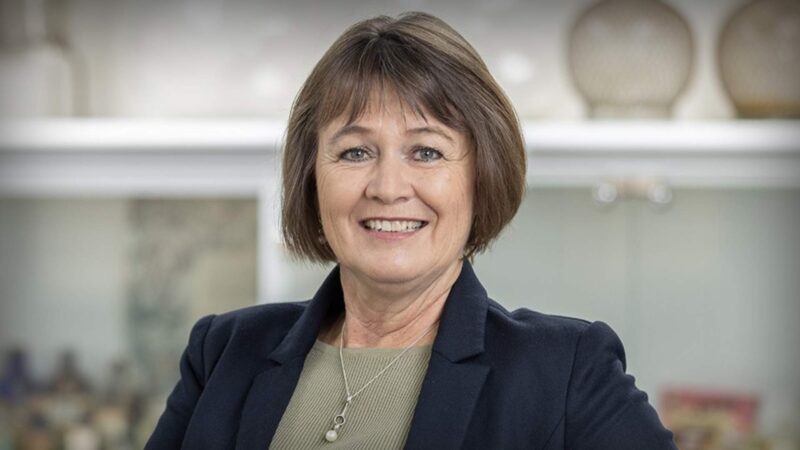
The quest to create an Australian framework for a Palliative Care Pharmacist
Helen Stone is the State and Territory Manager SA & NT for the Pharmaceutical Society Australia. Her professional interests include palliative care, pharmacist professional services, mental health, leadership, and management.
She has recently led teams of pharmacists in innovative pharmacy practice models including in aged care, GP practice, palliative care and dementia support. This has contributed to the body of evidence for sustainable funding for embedded pharmacist roles in primary care and aged care settings.

Supporting women in arthroplasty, surgery & orthopaedic oncology
Associate Professor Claudia Di Bella is an academic orthopaedic surgeon based in Melbourne, specialising in orthopaedic oncology and complex joint reconstruction. Originally trained at the world-renowned Rizzoli Orthopaedic Institute (Istituto Ortopedico Rizzoli) in Bologna, Italy, she moved to Australia in 2010 and was awarded Fellowship of the Royal Australasian College of Surgeons in 2013.