
-
ARCS Annual Conference 2019
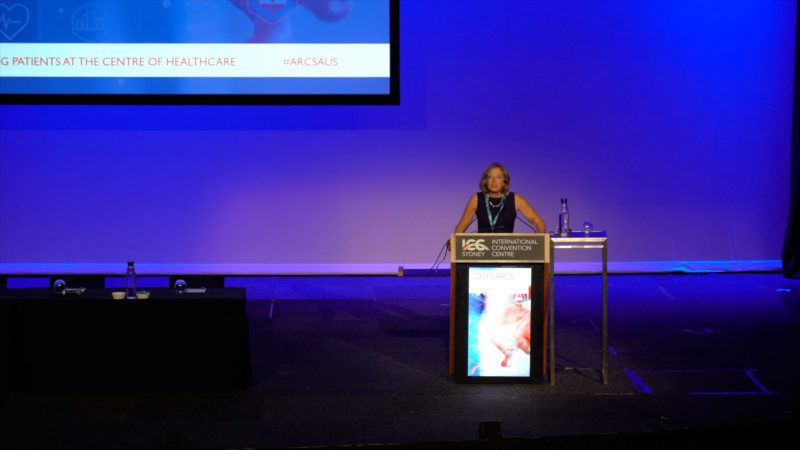
Earlier this month, ARCS Australia held it’s Annual Conference at the International Convention Centre Sydney – ICC Sydney, with the theme of putting patients at the centre of healthcare. Uniquely, the conference included a number of patients who attended, presented or were referenced.
-
Raising awareness, engagement and inclusion of Allied Health
Anita Hobson-Powell holds the position of Chief Allied Health Officer for the Australian Government within the Department of Health and Aged Care. With a background as an exercise physiologist and extensive experience leading allied health professional associations*, she has been entrusted with three main priorities. First, she aims to raise awareness about the significance of allied health professionals and their role in the healthcare system. This involves ensuring that decision makers and individuals engaging with health services understand the contributions of allied health professionals.
-
Child Dental Benefits Schedule needing greater awareness
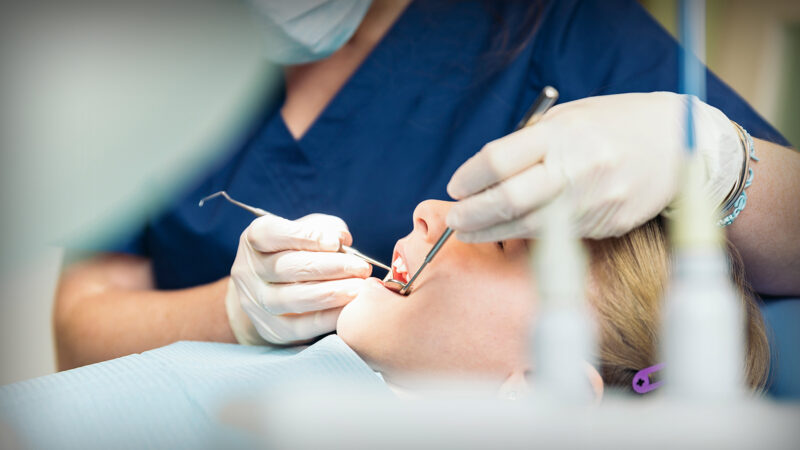
Since its launch in 2014, the Child Dental Benefits Schedule has seen a gradual increase in participation year on year. The impact of COVID-19 and related shutdowns saw participation fall sharply in 2020. Though it increased 2021, the national target of 41% participation was not reached in 2021-2022, with the total (35.4%) more than three percent below 2018 participation rates.
In an opinion segment, Australian Health Journal spoke with Abano Healthcare Group Clinical Director, Dr Fred Calavassy, with over 30 years of clinical experience, about his observations of the Child Dental Benefits Scheme ways to increasing participation rates.
Post Views:
494
ICTD: Why negative results in clinical trials matter

Categories
- Allied Health 21
- Associations 57
- ARCS Australia 6
- Australasian College of Paramedicine 2
- Australian College of Nursing 13
- Australian Healthcare and Hospitals Association 9
- Australian Primary Health Care Nurses Association 3
- Consumers Health Forum of Australia 3
- Medical Technology Association of Australia 11
- Medicines Australia 2
- Pharmacy Society of Australia 5
- Royal Australian College for General Practitioners 3
- Australian state 35
- Awareness 3
- Bowel and Intestine 3
- Brain and Mind 29
- Cancer 9
- Career 54
- Charities 1
- Chronic disease 3
- Clinical Trials 31
- Conferences 14
- Core muscles 2
- Dental 14
- Ear, nose and throat ENT 2
- Education 18
- Endocrinology 7
- Episodes 6
- Eye Health 5
- FULL CIRCLE DIGITAL HEALTH 1
- Gastroenterology 2
- General Practice 13
- Global Health 1
- Government 30
- Haematology 2
- Health System 113
- Accessibility 5
- Allied Health 3
- Awards and Recognition 5
- Comprehensive Centre 1
- Consumer involvement 3
- Decision Support 1
- Disease Preparedness 1
- Funding 1
- Government 18
- Health Policy 9
- Industry 2
- Job Skills and Training 6
- New Models of Care 14
- Occupational Therapy 5
- Population screening 2
- Preventive Health 4
- Private Health 1
- Public Health 6
- Regulatory and Reimbursement 6
- Scope of Practice 5
- Social Prescribing 1
- Value-Based Health Care 4
- Workforce growth 12
- Workforce Survey 1
- Workforce wellbeing 6
- Heart 7
- Hospitals and Clinics 63
- Anaesthesia 3
- Co-design and adoption 6
- Construction 2
- COVID-19 3
- Emergency Department 7
- Environment / Sustainability 3
- Equipment 2
- Funding and Operating Models 7
- Health Services and Systems 4
- Infection Control 4
- Planning, Culture and Growth 2
- Point of Care 4
- Private Hospitals 1
- Surgery 6
- Workflow 1
- Wound Management 2
- Immunology 2
- Industry 1
- Infectious disease 1
- Innovation 11
- International health and research systems 1
- Lived Experience 2
- Lung 4
- Markets 1
- Media Partners 3
- Medical Devices 19
- Medical Imaging 7
- Medical Management 1
- Medical Research 26
- Medical Technology 5
- Medicine 12
- Microbiota 1
- Musculoskeletal 6
- New Content 328
- Nursing 36
- Nutrition 3
- Oncology 6
- Op-Ed 3
- Oral Health 4
- Paramedics 5
- Patients 17
- Pharmacy 13
- Philanthropy, Foundations and Charity 2
- Population 80
- Aboriginal 3
- Cosmetic surgery 1
- Defence 2
- Disability 3
- Diversity, inclusion and equity 3
- Frail, Homebound and Bedridden Population 4
- Homeless 1
- Marginalised 1
- Men's Health 1
- Middle-aged 2
- New Parents 1
- Newborn / Neonatal 1
- Paediatric 13
- Palliative 2
- Rural and Remote 8
- Seniors and Aged Care 10
- Veterans 1
- Women and child birth 7
- Women's Health 14
- Youth 2
- Primary Health 16
- Region 1
- Reproduction, pregnancy & child birth 1
- Research 39
- Research to Practice 1
- Space Health & Medicine 2
- Startups 3
- Technology 46
- Training and Career 32
- Workforce sustainability 1