

Updated handbook on chronic kidney disease management in primary care
Kidney Health Australia’s latest kidney disease guide for primary care practitioners is expected to be pivotal in slowing down the rates of kidney failure, which have doubled in the past 20 years and if left unchecked will grow by a further 42% by 2030, according to the health charity.
With specific reference to new kidney treatments and culturally safe kidney care for First Nations Australians, the 5th edition of Chronic Kidney Disease (CKD) Management in Primary Care handbook, known as the ‘kidney bible’, is a significant step-up in enabling earlier diagnosis of kidney disease for GPs and other front-line healthcare professionals.
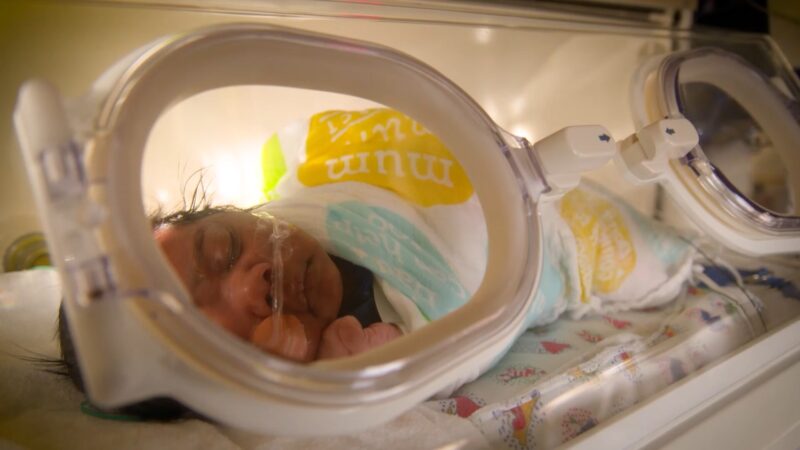
Health equity
For 30 years the Humpty Dumpty Foundation has worked to help bridge the gap that often exists between available resources and actual needs through the donation of paediatric medical equipment. Humpty, like many other charitable initiatives, began with a humble goal. Its Founder and Executive Chairman, Paul Francis OAM, together with Patron Ray Martin AM, set out to raise some money to paint the walls of the Children’s Ward at Royal North Shore Hospital.
To date more than 440 hospitals and health services have shared in over $85 million of essential and lifesaving medical equipment for sick and injured paediatric patients.

Victorian social prescribing program underway
n Part 2 of the Models of Care on Social Prescribing, Australian Health Journal spoke to 4 people involved in the Connect Local program under the Connecting Communities to Care 4 year program. The free program for over 65’s promotes wellbeing through social connection and is underway in the Glen Eira community in Melbourne.
– Deidre McGill, Executive General Manager, At Home Support, Bolton Clarke
– Ann Van Leerdam, Connect Local Community Connector, Bolton Clarke
– Dr Rajna Ogrin, Senior Research Fellow, Bolton Clarke Research Institute, Bolton Clarke
- Dr Daniel Fineberg, Deputy Director General Medicine, Alfred Hospital, Victoria

Outstanding Achievement
George Faithfull
George has been in the medical device industry in a variety of roles for over 35 years including Sales, Marketing, Business Development, General Management, R&D, Clinical, Regulatory and Government Affairs. He has worked for Stryker in Australia, USA and across Asia.
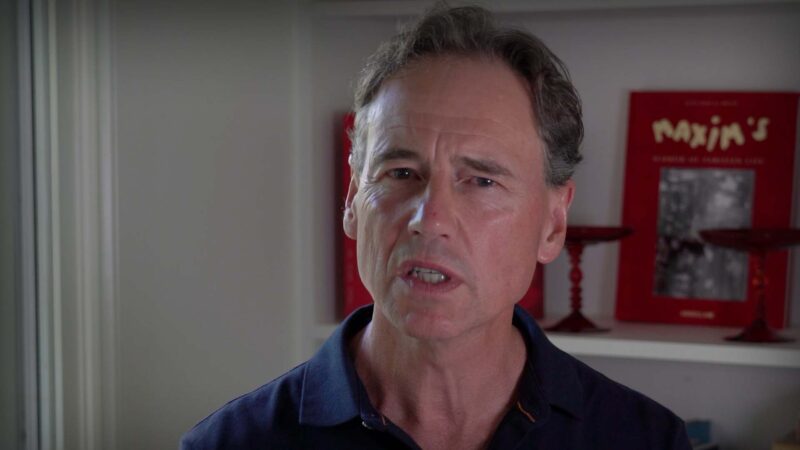
Message from former Australian Health Minister Hon Greg Hunt
The Honourable Greg Hunt served in the Australian Government as Minster for Health and Aged Care from 2017, previously as Industry, Innovation and Science Minister and before that the Environment Minister.
Elected as the Member for Flinders in 2001, Greg announced his retirement from politics late 2021 and in 2022, ahead of the Federal Election, having completed 20 years as a public servant.
Australian Health Journal recently caught up with Greg in a relaxed interview at his home in the Mornington Peninsula, Victoria to hear how a 9 month sabbatical has allowed him to focus on family, fitness and future. This has even included some “brutal spin cycle classes!”.
ARCS Australia

ARCS Australia Ltd is a national, membership-based organisation focused on the development and growth of the healthcare sector. ARCS provides education, career pathways, professional development and advocacy to the healthcare sector.
Our membership is made up of individuals working in regulatory affairs, clinical research, health economics, medical information and other disciplines who work in the development and quality use of therapeutic goods. ARCS members are based in industry, academia, medical research institutes, government, hospitals and patient groups.
Through its members ARCS has a broad and effective reach throughout the healthcare sector, and provides a neutral forum to develop, agree and implement aligned policies and initiatives.
ARCS and its members are dedicated to improving the quality of life of healthcare consumers.
MEDIA PARTNER SINCE 2018