
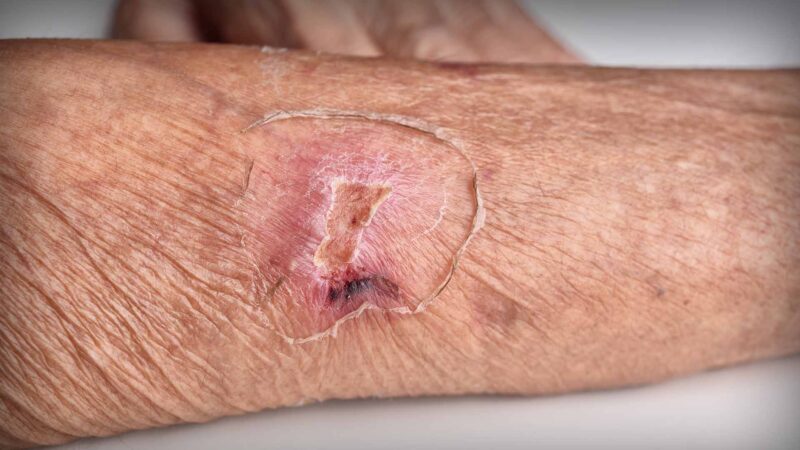
Smart technology in wound care
Throughout her journey around wound care, Santosh Kaur was frustrated to see the simple gaps in wound care resulting in negative patient outcomes. Santosh is the founder of SmartHeal which launched in 2020.
SmartHeal replaces the nurses taking cumbersome manual measurements and manual sharing of important wound data with a no touch technique. It aims for healthcare professionals to have live remote access to wound data, make wound assessments and assist with speech to text notes thus saving time, cost and people. SmartHeal also aims to assist healthcare professionals in providing optimum wound care by analysing the wound tissue for infection, moisture and providing suggestions for suitable dressing.
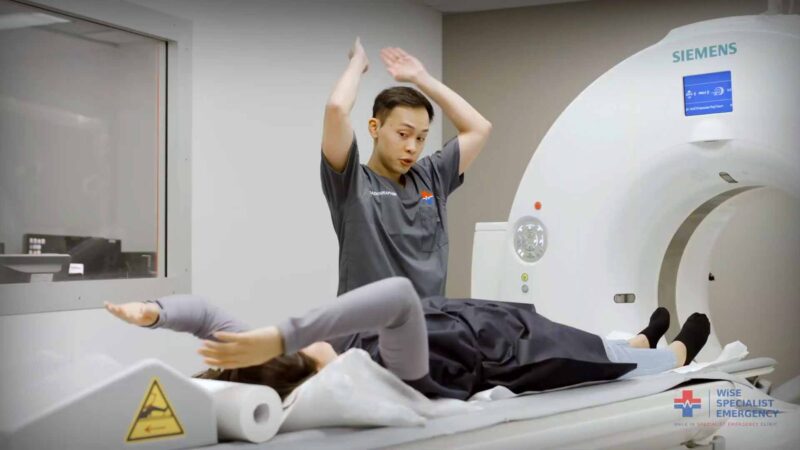
Specialist emergency care clinics in rollout
Unlike Emergency Departments that operate within public hospitals and some private hospitals, a Walk-in Specialist Emergency Clinic is located in the community and designed to provide comprehensive, coordinated acute care – from initial consultation and diagnostic services, to treatment and specialist referral if required – without the patient having to visit a hospital.
Australian Health Journal spoke to the visionary, founder and CEO behind this WiSE Specialist Emergency clinic, Dr Pankaj Arora.

Australasian College of Paramedicine makes case for multi-disciplinary care
Despite being seen primarily as emergency responders, paramedics have long been providing care in the primary care space. As such, their increased involvement in primary and urgent care is a natural progression that can lead to improved health outcomes for communities. Urgent care clinics, which treat non-life-threatening injuries and illnesses, have been a recent introduction. However, when these clinics were initially proposed, paramedics were left out of the opportunity, despite being experts in urgent, acute, unplanned, and unscheduled care. They work in these types of situations every day in the ambulance service and should be utilised in these clinics to improve patient outcomes. Working as part of multidisciplinary teams with doctors and nurses can further enhance the outcomes for local communities.
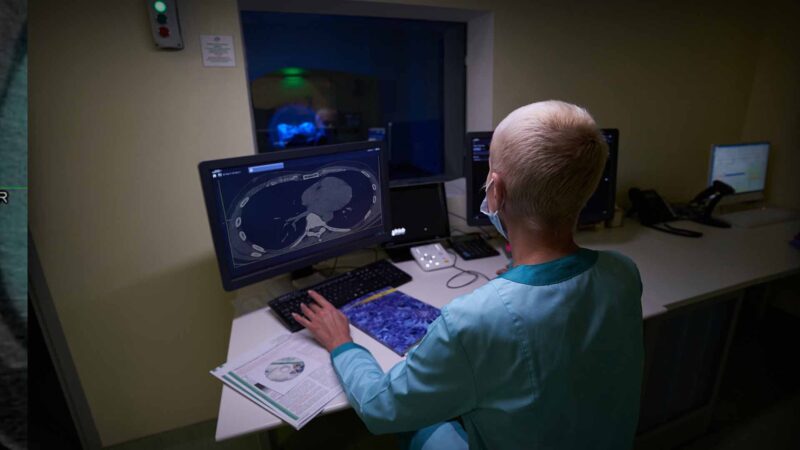
25 years of non-indexation of nuclear medicine impeding access & affordability
The President of the Australasian Association of Nuclear Medicine Specialists (AANMS), Associate Professor Sze Ting Lee spoke with Australian Health Journal about the following:
Usual levels of nuclear medicine services in Australia each year
Current levels of nuclear medicine services in Australia
How changing demographics in people moving to regional areas has impacted access to nuclear medicine services
The nuclear medicine workforce including trainees
The key recommendations from the pre-budget submission
In the lead up to the Australian Federal Budget in May 2023, Australian Health Journal reached out to peak health industry bodies to hear about their priorities, either noted in pre-budget submissions lodged with Federal Government in January 2023 or in recent forums such as the Strengthening Medicare Taskforce.

Calls for National Social Prescribing Scheme
The Royal Australian College of General Practitioners (RACGP), Consumers Health Forum of Australia (CHF) and Mental Health Australia are urging the government to implement a national social prescribing scheme to tackle Australia’s mental health and wellbeing crisis.
Mental ill health is a growing problem in Australia and has been made worse by the COVID-19 pandemic. Since 2017, GPs across Australia have rated mental health as the most common presentation they see as part of the RACGP’s annual Health of the Nation survey. Approximately 20% of patients consult their GP for what are primarily social problems.

From University to Pharmacy Industry
The transition from full time academic study to industry can be both rewarding and challenging. Intern programs and an association for pharmacists, makes the transition easier.
The National Australian Pharmacy Students’ Association (NAPSA) represents students from 17 universities nationwide studying either an undergraduate or postgraduate program. The association advocates for Australian pharmacy students to ensure their future is prosperous and their status, rights and privileges are protected.