

Rural allied health mentorship program creates opportunities for students and practice
Melanie Roll, a director and physiotherapist at Gen Health Hamilton, is dedicated to nurturing the next generation of allied health professionals. Gen Health’s support begins with a work experience program for local secondary school students, where they can observe a variety of health services and participate in an annual careers night to explore allied health career pathways.
Upon moving to tertiary education, students are offered placements through a five-week program designed to transition them from observation to supervised practice and ultimately to seeing their own patients. In their final study year, they can apply for the mentorship program, which aids the transition into private practice.

Practising to top scope of urology practice, advancing treatment & patient care through research
Michael is a urology nurse practitioner with a special interest in prostate cancer survivorship, and has worked in urology for the past ten years. Michael has completed the Prostate Nursing Care course at Latrobe University, Graduate Certificate of Health with a specialisation in Scheduled Medicines (USQ), and the Master of Nursing (Flinders) to become a Nurse Practitioner in 2024.
As a Urology Nurse Practitioner he divides his time between the Australian Prostate Centre and Western Urology.

Trends report identifies prototyping targets for breakthroughs in digital and hybrid futures
Vishaal Kishore, a Professor of Innovation and Public Policy at RMIT in Melbourne, serves as the Executive Chair of the RMIT-Cisco Health Transformation Lab and RMIT’s Director of Impact. Led by the RMIT-Cisco Health Transformation Lab, the National Industry Innovation Network (NIIN) Health Alliance combines the best minds, technologists, industry capabilities and academic resources to solve pressing industry and social challenges through technology-driven innovation. The NIIN aims to pool insights and expertise to address national health challenges, marking its first vertical focus on health.

Medical colleges reform to address accessibility, affordability and rural challenges
Australia’s specialist medical colleges are introducing significant changes to their training selection processes to tackle the ongoing shortage of specialist doctors in rural and remote areas. The Council of Presidents of Medical Colleges (CPMC), in collaboration with the National Rural Health Commissioner, has unveiled new guidelines that prioritise candidates with rural backgrounds and experience during trainee selection.
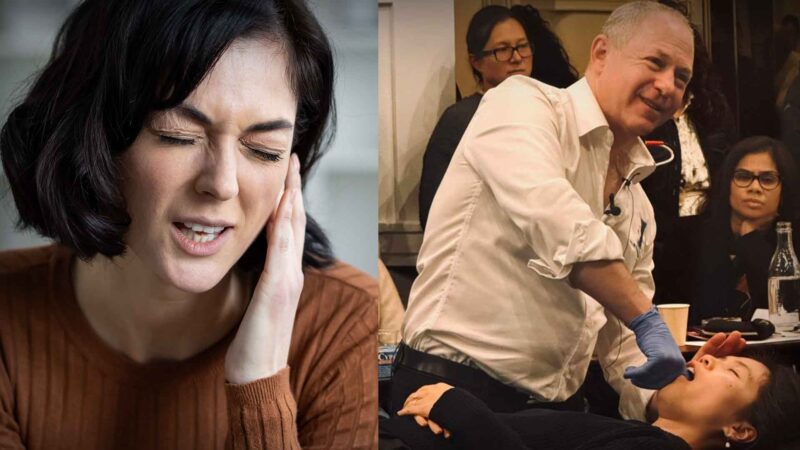
Physiotherapy approach to jaw & facial pain ties with dental expertise
Darron Goralsky is the Founder, CEO and Clinical Director of Melbourne TMJ & Facial Pain Centre, one of Australia’s leading multidisciplinary clinics dedicated to the assessment and management of temporomandibular disorders (TMD) and craniofacial pain.
Getting the conversation going on the connection between oral health and chronic conditions
Dr. Carol Tran is an Oral Health Therapist and co-founder of Oral Health Home, an organisation focused on innovative, prevention-oriented oral health education and outreach. She is a Past President of Dental Hygienists Association of Australia (DHAA) and currently is the Scientific Program Chair, for upcoming congress in October 2025, for the newly formed Oral Health Association of Australia (OHAA).