
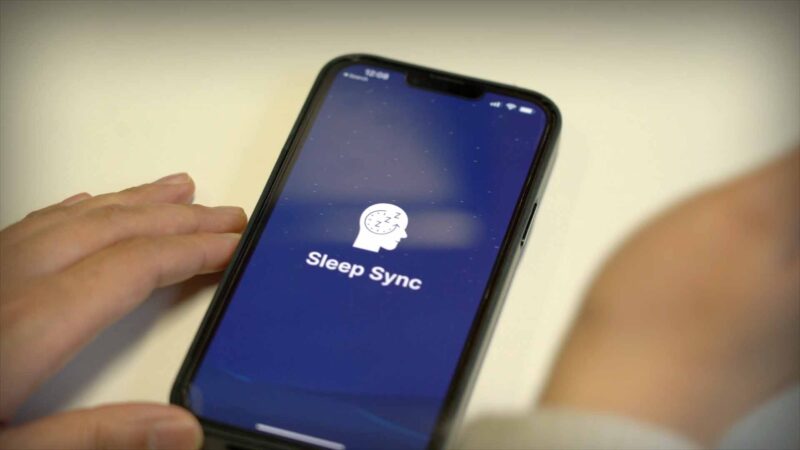
App helps Chronic Sleep Deprivation
Earlier this year, Turner Institute for Brain and Mental Health researchers developed SleepSync, the world’s first app that personalises sleep-wake cycles for shift workers to improve their sleep and overall mood.
The research, led by Dr Jade Murray, was published in the journal, Digital Health. Australian Health Journal met with Dr Murray to hear how the application has evolved and been used in personalisation of sleep habits for health care shift workforce.

World-first clinical trial improves patient outcomes for kidney transplants
A world-first clinical trial conducted at the Royal Adelaide Hospital (RAH) and at hospitals across Australia and New Zealand has identified the best fluid treatment to reduce the risk of patients requiring dialysis after a kidney transplant.
Australian Health Journal spoke with the lead-author of the study, RAH Nephrologist and University of Adelaide researcher, Dr Michael Collins.

Strong primary care nursing solutions for a healthier Australia
The CEO of Australian Primary Health Care Nurses Association (APNA), Ken Griffin spoke with Australian Health Journal about the following:
– APNA President Karen Booth representing Primary Care Nursing in the Australian Government led Strengthening Medicare Task Force
– The current key challenges in primary care nursing
– Programs on diversity and student placement proposed in APNA’s pre-budget submission to Federal Government
– A proposed initiative called Nurse-Supported Self-Care, with broadening role primary care nursing would play in the community
– Hopes for other health priorities addressed in the Federal Budget
In the lead up to the Australian Federal Budget in May 2023, Australian Health Journal reached out to peak health industry bodies to hear about their priorities, either noted in pre-budget submissions lodged with Federal Government in January 2023 or in recent forums such as the Strengthening Medicare Taskforce.
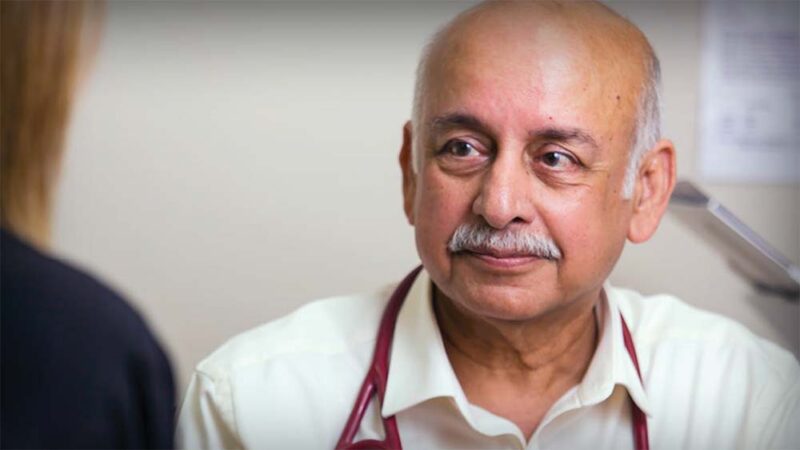
GP Health of The Nation
As Australia’s largest professional general practice organisation, the RACGP represents more than 43,000 members, including more than 24,000 Fellows who have completed specialist training (or its equivalent). These are the frontline GPs who treat almost 22 million patients across the country every year.
Each year the runs a survey across Australian Doctors. This year’s report reflects the experience of more than 1300 RACGP Fellows from across Australia. Despite this and other achievements, the share of total government healthcare spend for primary care is in decline.

Priming Australia for social prescribing
Social prescribing provides support in various areas of people’s lives, leading to increased confidence, improved navigation of systems, and enhanced friendships and trust in healthcare, while communities should be designed in an age-friendly way to prevent isolation.
In Part 1 of the Models of Care on Social Prescribing, Australian Health Journal spoke to 4 people advocating for social prescribing in Australia
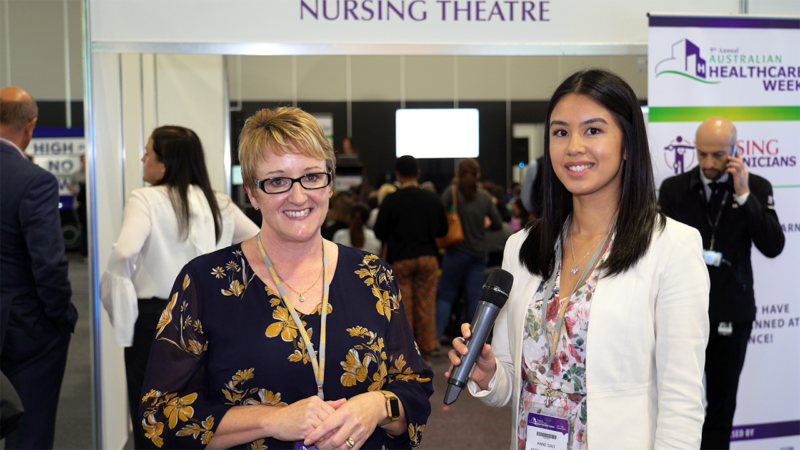
Sonia Marshall – South Western Sydney Local Health District
South Western Sydney Local Health District serves nearly 1 million people in a rapidly growing area of Sydney. Currently 250-300 families a week are moving into the region and with a growing population, the health district requires well executed strategy and delivery of healthcare to the population. Executive Director Sonia Marshall spoke with Australian Health Journal reporter Anne Dao at last week’s Australian Healthcare Week in Sydney, on supporting staff and the community. Sonia highlights the mission of delivering Safe Quality Healthcare at all times. In-time patient feedback is important and the SWSLHD has implemented a system called “My Experience Matters” to give near immediate response from patients on their level of care, whilst they are still on site at the hospital. The aim of the initiative is to quickly identify bad experiences that could be rectified.