
-
A clinical research career working Sponsor-side, CRO-side to Site-side
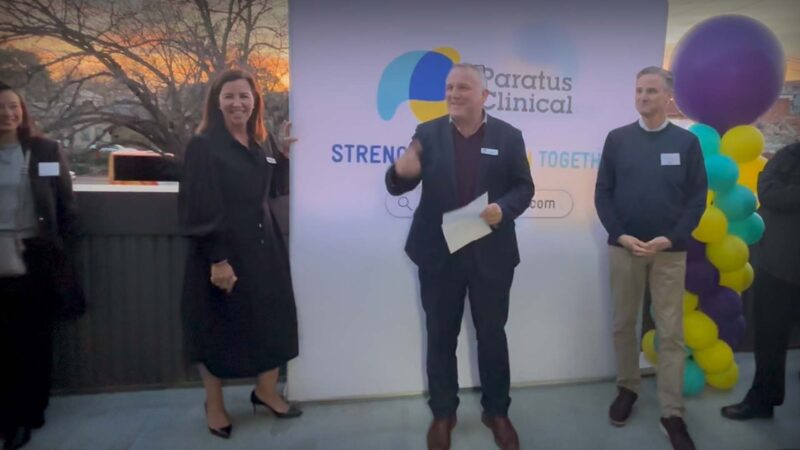
In July 2025, Paratus Clinical, a Australian provider of dedicated clinical trial services, announced the appointment of Megan Morrison as its new Chief Executive Officer, at the same time as a significant milestone as the company celebrating over a decade of impact in the clinical research space. Paratus now operates a network of five purpose-built, research-only clinics along Australia’s eastern seaboard.
-
Prioritising Oral Health in Aged Care and Disability Support
Leonie Short is a Dental Practitioner and Dental Therapist. She started working as a dental therapist in Rural NSW and then moved into being an academic and researcher. Through her career, Leonie has worked at 6 universities across New South Wales and Queensland, and remaining community focused.
Leonie’s mission is to have improved oral health experiences and outcomes, however she recognises, the health system really needs to work hard to make it happen and for people to understand why it needs to be a priority.
-
Raising awareness, engagement and inclusion of Allied Health
Anita Hobson-Powell holds the position of Chief Allied Health Officer for the Australian Government within the Department of Health and Aged Care. With a background as an exercise physiologist and extensive experience leading allied health professional associations*, she has been entrusted with three main priorities. First, she aims to raise awareness about the significance of allied health professionals and their role in the healthcare system. This involves ensuring that decision makers and individuals engaging with health services understand the contributions of allied health professionals.
Post Views:
865
Bowel and Intestine Clinical Guidelines / Management Middle-aged New Content Oncology Space Health & Medicine
In development, age specific clinical practice guidelines for early onset bowel cancer

Categories
- Allied Health 21
- Associations 57
- ARCS Australia 6
- Australasian College of Paramedicine 2
- Australian College of Nursing 13
- Australian Healthcare and Hospitals Association 9
- Australian Primary Health Care Nurses Association 3
- Consumers Health Forum of Australia 3
- Medical Technology Association of Australia 11
- Medicines Australia 2
- Pharmacy Society of Australia 5
- Royal Australian College for General Practitioners 3
- Australian state 35
- Awareness 3
- Bowel and Intestine 3
- Brain and Mind 30
- Cancer 9
- Career 55
- Charities 1
- Chronic disease 3
- Clinical Trials 31
- Conferences 14
- Core muscles 2
- Dental 14
- Dermatology 1
- Ear, nose and throat ENT 2
- Education 19
- Endocrinology 7
- Episodes 6
- Eye Health 5
- FULL CIRCLE DIGITAL HEALTH 1
- Gastroenterology 2
- General Practice 13
- Global Health 1
- Government 30
- Haematology 2
- Health System 114
- Accessibility 5
- Allied Health 3
- Awards and Recognition 6
- Comprehensive Centre 1
- Consumer involvement 3
- Decision Support 1
- Disease Preparedness 1
- Funding 1
- Government 18
- Health Policy 9
- Industry 2
- Job Skills and Training 6
- New Models of Care 14
- Occupational Therapy 5
- Population screening 2
- Preventive Health 4
- Private Health 1
- Public Health 6
- Regulatory and Reimbursement 6
- Scope of Practice 5
- Social Prescribing 1
- Value-Based Health Care 4
- Workforce growth 12
- Workforce Survey 1
- Workforce wellbeing 6
- Heart 7
- Hospitals and Clinics 63
- Anaesthesia 3
- Co-design and adoption 6
- Construction 2
- COVID-19 3
- Emergency Department 7
- Environment / Sustainability 3
- Equipment 2
- Funding and Operating Models 7
- Health Services and Systems 4
- Infection Control 4
- Planning, Culture and Growth 2
- Point of Care 4
- Private Hospitals 1
- Surgery 6
- Workflow 1
- Wound Management 2
- Immunology 2
- Industry 1
- Infectious disease 1
- Innovation 11
- International health and research systems 1
- Lived Experience 2
- Lung 4
- Markets 1
- Media Partners 3
- Medical Devices 19
- Medical Imaging 7
- Medical Management 1
- Medical Research 27
- Medical Technology 6
- Medicine 12
- Microbiota 1
- Musculoskeletal 6
- New Content 331
- Nursing 36
- Nutrition 3
- Oncology 6
- Op-Ed 3
- Oral Health 4
- Paramedics 5
- Patients 17
- Pharmacy 13
- Philanthropy, Foundations and Charity 2
- Population 80
- Aboriginal 3
- Cosmetic surgery 1
- Defence 2
- Disability 3
- Diversity, inclusion and equity 3
- Frail, Homebound and Bedridden Population 4
- Homeless 1
- Marginalised 1
- Men's Health 1
- Middle-aged 2
- New Parents 1
- Newborn / Neonatal 1
- Paediatric 13
- Palliative 2
- Rural and Remote 8
- Seniors and Aged Care 10
- Veterans 1
- Women and child birth 7
- Women's Health 14
- Youth 2
- Primary Health 16
- Region 1
- Reproduction, pregnancy & child birth 1
- Research 40
- Research to Practice 1
- Space Health & Medicine 2
- Startups 3
- Technology 46
- Training and Career 33
- Workforce sustainability 1