
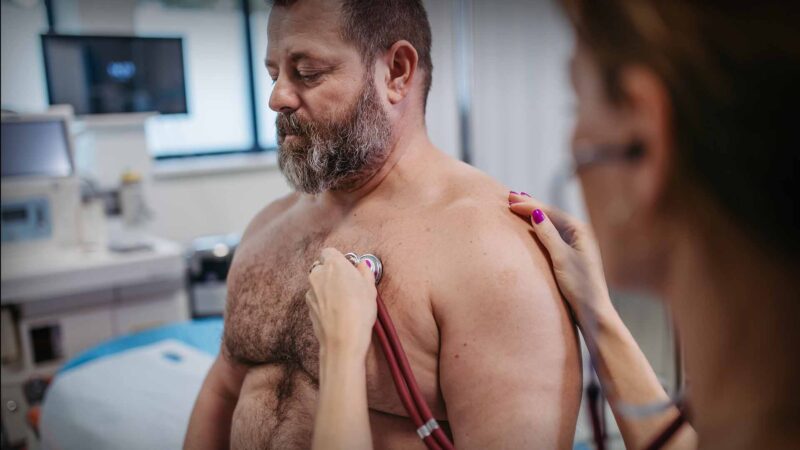
Cardiovascular Disease Risk Guidance and Calculator get long overdue update
Cardiovascular disease (CVD) is responsible for significant morbidity and premature mortality in Australia. Ischaemic heart disease was the leading cause of death in 2020 and cerebrovascular disease was the third most common cause of death.
As the first major update to Australian CVD risk assessment guidelines in over a decade, the 2023 Australian Guideline for assessing and managing cardiovascular disease risk and associated Aus CVD Risk Calculator reflect the latest evidence on assessing, communicating, and managing CVD risk. Developed using Australian-specific data and the latest evidence, it supersedes the 2012 Guidelines for the management of absolute cardiovascular disease risk.

Unleashing the potential of Paramedic skills and knowledge
According to a prominent paramedicine academic and researcher, paramedics have the potential to provide much-needed care in the community, changing the traditional healthcare model. Research points to paramedics having a wider healthcare workforce impact based on their ability to identify and fix problems 24/7.
Dr. Brendan Shannon is Head of Postgraduate Programs in the Department of Paramedicine at Monash University and a member of The Australasian College of Paramedicine. His interests including refining healthcare models, to ensure underserved communities receive requisite care. These alternative care pathways, like outreach programs, can work out of hospitals to provide care in underserved communities with social and complex chronic conditions.
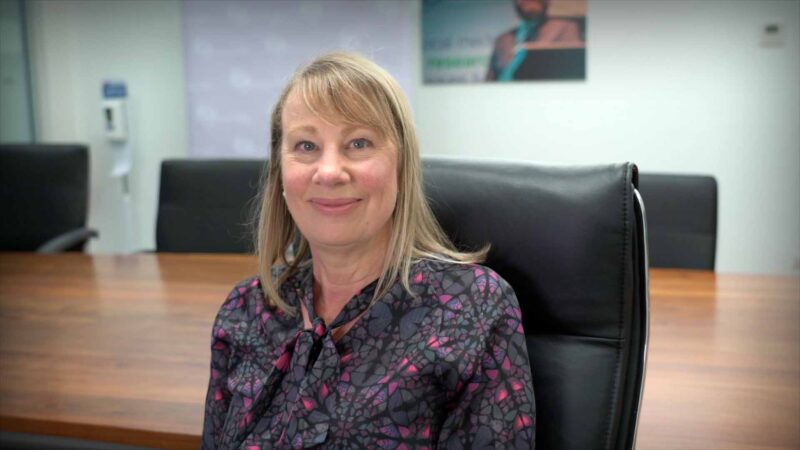
Brain cancer Professor mentors Tasmanian researchers
Rosemary Harrup trained in Victoria and Tasmania in Medical Oncology and Clinical Haematology, completing a dual Fellowship in 2001. She is the current Director of Cancer and Blood Services at the Royal Hobart Hospital (RHH), a role she has held since 2009.
Australian Health Journal spoke to Rosemary about her journey in medicine and specifically her work in Clinical Trials in Brain Cancer and the value she placed on her senior clinicians as mentors and how she now mentors others.

SAHMRI Celebrates 10 Years of Research
SAHMRI represents an exciting and unique statewide concept, bringing together basic and translational research, South Australia’s three universities and the health system. SAHMRI works in collaboration with its partners to provide a clear focal point for health and medical research, including paving the way for new partnerships, innovative research projects and improved health outcomes.
Executive Director, Professor Maria Makrides spoke to Australian Health Journal about 3 achievements in the past 10 years that have had significant impact
International leadership breakthroughs in leukaemia research
Culturally appropriate Indigenous health research and clinical care
Omega 3 fatty acids as a preterm birth prevention

World-first clinical trial improves patient outcomes for kidney transplants
A world-first clinical trial conducted at the Royal Adelaide Hospital (RAH) and at hospitals across Australia and New Zealand has identified the best fluid treatment to reduce the risk of patients requiring dialysis after a kidney transplant.
Australian Health Journal spoke with the lead-author of the study, RAH Nephrologist and University of Adelaide researcher, Dr Michael Collins.

Health Minister appoints Chair to National One Stop Shop Program
The Australian Government has appointed Emeritus Professor Ian Chubb AC, FAA FTSE to lead key reforms as Chair of the Inter-Governmental Policy Reform Group (IGPRG) for health and medical research, including clinical trials.
Minister for Health and Aged Care, The Hon Mark Butler MP on the selection and appointment said, “Professor Chubb has dedicated his career to improving health and medical research and education in this county and I am pleased he has agreed to share his knowledge and experience through the IGPRG.

Global GP Conference comes to Australia
Over 3000 delegates from around the World will gather at the 50th celebration of WONCA to reconnect and revive General Practice, sharing knowledge and learnings on access, equity, funding, and multidisciplinary care teams. This includes networking with Australian and overseas GPs and in particular learning about primary care practices in other countries.
Australian Health Journal met with Dr Nicole Higgins, President of RACGP in transit at Brisbane Airport recently and she spoke about the $6 Billion allocated in the Federal Budget in May as a significant achievement for General Practice investment. She also emphasised this announcement reinforced GPs should be at the centre of multidisciplinary care teams to ensure continuity of care and better health outcomes.
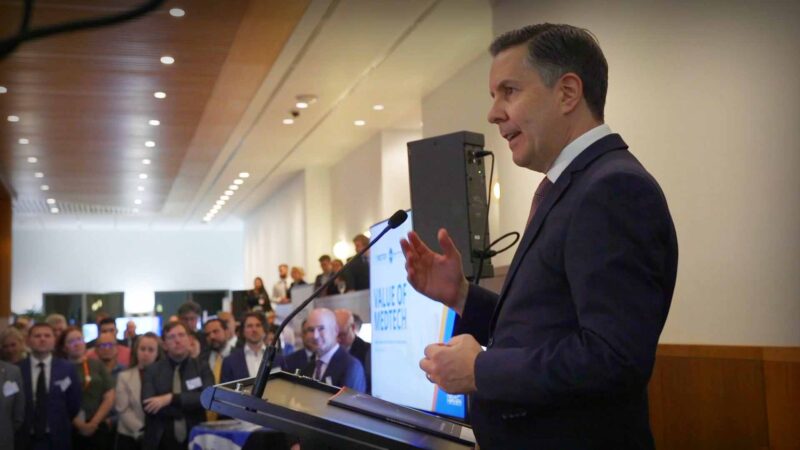
Value of MedTech Report brings Industry and Government together
In June 2023 the Medical Technology Association of Australia (MTAA) launched The Value of MedTech Report – a major study quantifying the difference the MedTech industry makes to the lives of Australian patients, the healthcare system and the Australian economy.
Australian Health Journal spoke with MTAA CEO, Ian Burgess and MTAA Policy Manager, Pravin Siriwardena about the report and its key findings.