
-
Greater flexibility in medicine safety programs delivered by pharmacists
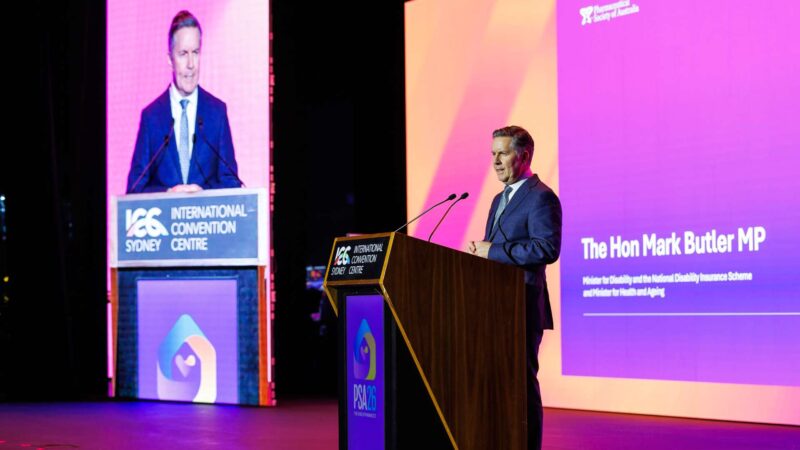
Addressing delegates at PSA26, the Pharmaceutical Society of Australia’s (PSA) yearly conference, the Minister for Health and Ageing, the Hon. Mark Butler MP, announced negotiations are progressing on the First Pharmacy Programs Agreement (1PPA), and that from 1 November, follow-up services for Home Medicines Reviews (HMRs) and Residential Medication Management Reviews (RMMRs) programs will be able to be delivered via telehealth.
-
Metabolic health expert talks about healthy ageing
David Beard is a highly experienced Exercise Physiologist with a specialisation in metabolic health and healthy aging. He has spent over 40 years in this profession, even before exercise physiology was formally recognised as a discipline. His extensive background includes over a decade of working in aged care and a strong focus on adult health and fitness. David has authored a book on healthy aging and dedicated the last 10 to 12 years to advancing his expertise in metabolic health issues such as diabetes, weight loss, and inflammatory conditions. He is a co-owner of HFRC in Nedlands, Western Australia, where he has worked for nearly a decade.
-
Surgeon receives global award for kidney transplant science
Commencing a new series called Pioneers in Health Care, is an interview with Professor Jeremy Chapman AC who for over 40 years, has been involved in nephrectomy, or kidney transplantation.
Honoured “for eminent service to medicine, particularly in the areas of clinical and biomedical research, to the development of ethical policy and practices for organ donation, acquisition and transplantation, and to renal medicine organisations and publications, Jeremy Chapman AC has played significant roles in development of kidney, pancreas and unrelated Bone Marrow Transplantation in Australia.
Post Views:
790
Clinical pain neuroscientist talks about how the brain processes pain information


Categories
- Allied Health 21
- Associations 57
- ARCS Australia 6
- Australasian College of Paramedicine 2
- Australian College of Nursing 13
- Australian Healthcare and Hospitals Association 9
- Australian Primary Health Care Nurses Association 3
- Consumers Health Forum of Australia 3
- Medical Technology Association of Australia 11
- Medicines Australia 2
- Pharmacy Society of Australia 5
- Royal Australian College for General Practitioners 3
- Australian state 35
- Awareness 3
- Bowel and Intestine 3
- Brain and Mind 29
- Cancer 9
- Career 54
- Charities 1
- Chronic disease 3
- Clinical Trials 31
- Conferences 14
- Core muscles 2
- Dental 14
- Ear, nose and throat ENT 2
- Education 18
- Endocrinology 7
- Episodes 6
- Eye Health 5
- FULL CIRCLE DIGITAL HEALTH 1
- Gastroenterology 2
- General Practice 13
- Global Health 1
- Government 30
- Haematology 2
- Health System 113
- Accessibility 5
- Allied Health 3
- Awards and Recognition 5
- Comprehensive Centre 1
- Consumer involvement 3
- Decision Support 1
- Disease Preparedness 1
- Funding 1
- Government 18
- Health Policy 9
- Industry 2
- Job Skills and Training 6
- New Models of Care 14
- Occupational Therapy 5
- Population screening 2
- Preventive Health 4
- Private Health 1
- Public Health 6
- Regulatory and Reimbursement 6
- Scope of Practice 5
- Social Prescribing 1
- Value-Based Health Care 4
- Workforce growth 12
- Workforce Survey 1
- Workforce wellbeing 6
- Heart 7
- Hospitals and Clinics 63
- Anaesthesia 3
- Co-design and adoption 6
- Construction 2
- COVID-19 3
- Emergency Department 7
- Environment / Sustainability 3
- Equipment 2
- Funding and Operating Models 7
- Health Services and Systems 4
- Infection Control 4
- Planning, Culture and Growth 2
- Point of Care 4
- Private Hospitals 1
- Surgery 6
- Workflow 1
- Wound Management 2
- Immunology 2
- Industry 1
- Infectious disease 1
- Innovation 11
- International health and research systems 1
- Lived Experience 2
- Lung 4
- Markets 1
- Media Partners 3
- Medical Devices 19
- Medical Imaging 7
- Medical Management 1
- Medical Research 26
- Medical Technology 5
- Medicine 12
- Microbiota 1
- Musculoskeletal 6
- New Content 328
- Nursing 36
- Nutrition 3
- Oncology 6
- Op-Ed 3
- Oral Health 4
- Paramedics 5
- Patients 17
- Pharmacy 13
- Philanthropy, Foundations and Charity 2
- Population 80
- Aboriginal 3
- Cosmetic surgery 1
- Defence 2
- Disability 3
- Diversity, inclusion and equity 3
- Frail, Homebound and Bedridden Population 4
- Homeless 1
- Marginalised 1
- Men's Health 1
- Middle-aged 2
- New Parents 1
- Newborn / Neonatal 1
- Paediatric 13
- Palliative 2
- Rural and Remote 8
- Seniors and Aged Care 10
- Veterans 1
- Women and child birth 7
- Women's Health 14
- Youth 2
- Primary Health 16
- Region 1
- Reproduction, pregnancy & child birth 1
- Research 39
- Research to Practice 1
- Space Health & Medicine 2
- Startups 3
- Technology 46
- Training and Career 32
- Workforce sustainability 1