

Clinical Trials in Australia
Shanny Dyer, CEO ARCS Australia talks about a recent summit where the CRO (Contract Research Organization) community was asked on the current state of clinical trials in Australia.

More health care volunteers needed for Street Side Medics
Identifying a gap in the healthcare of vulnerable people in New South Wales, Dr Daniel Nour founded Street Side Medics in August 2020, a not-for-profit, GP-led mobile medical service for people experiencing homelessness.
Dr. Daniel Nour is a cardiology advanced trainee at Royal North Shore Hospital and the founder of Street Side Medics, a mobile medical service dedicated to providing GP-led care to individuals experiencing homelessness. The initiative started from a customised van, which serves as a medical clinic, visiting food services and shelters across New South Wales and recently Victoria. Street Side Medics offers free medical care without requiring documentation, ID, or a Medicare card.

Medicinal cannabis in Australia Update
According to the Australian Journal of General Practice, published by the Royal Australian College of General Practitioners, more than 130,000 medicinal cannabis approvals have been issued in Australia to date, mostly by general practitioners, with approximately 65% of these to treat chronic non-cancer pain. Despite robust supportive data from animal models, current clinical trial evidence for THC and CBD efficacy in chronic pain is incomplete. In their prescribing decisions, doctors must balance patient demand and curiosity with caution regarding potential risks and limited efficacy (Source: https://www1.racgp.org.au/ajgp/2021/october/medicinal-cannabis)
Australian Health Journal met with 3 speakers at the recent @arcsaustralia ARCS22 Conference providing an update on medicinal cannabis. The discussion with the speakers now centres on affordability and access.
Continuity of Care under COVID-19
Series 3, Episode 1
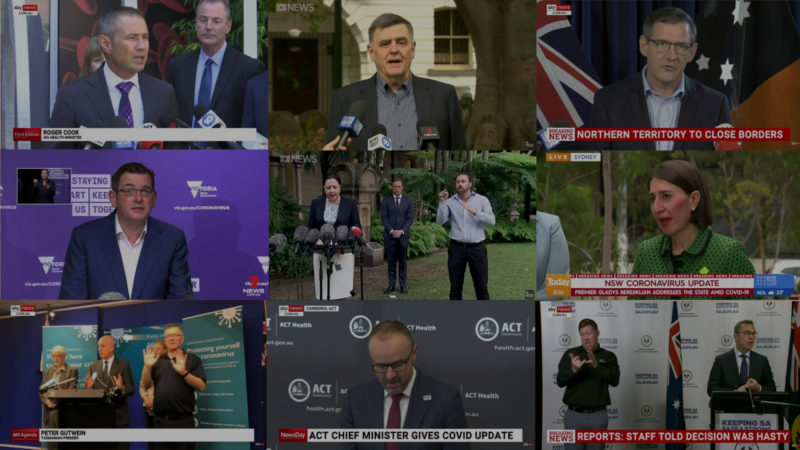
Under the COVID-19 pandemic, the Australian Healthcare system has handled the public health crisis by monitoring and responding to challenges in supply chains, testing & tracing of new infections and stock piling of essential equipment.
The public has largely responded by practising social distancing, understanding how hand hygiene can spread contagion and recently installing the COVIDSafe mobile application. Public health messaging has been largely effective and literacy improve, to combat the dangers of misinformation.
To open up access to medical advice during the pandemic, in March the Australian government issued MBS item codes for telehealth consultations, for advanced practice nurses as well as GPs and other specialists.
According to AMA President Dr Tony Bartone, as of mid-May 2020, around 10 million Medicare-funded telehealth services have been provided, either over the phone or via video, a significant majority of which have been provided by GPs and other specialists since the Medicare telehealth items were introduced in March.
However in recent months, the health system has mounting concerns on:
- a reduction in general practice visits for testing, investigation or immunisation
- lower rates of elective procedures resuming since being halted
- reduction in laboratory testing
- reduction in treatments and diagnosis of chronic and acute conditions
- access to, and continuing to take medications
Those with pre-existing conditions have been urged to keep appointments and routine treatments to maintain their health.
Industry has taken action such as the newly formed Continuity of Care Collaboration (CCC). The 15 health organisations forming CCC are an Australian first national communication collaboration of Peak Bodies, Industry and Healthcare Organisations coming together to stress the importance for people to continue monitoring their health and maintaining their regular care.
This Australian Health Journal episode on the continuity of care was produced with commentary from the following health industry associations and organisations: APNA – Australian Primary Health Care Nurses Association, RACGP, Medical Technology Association of Australia (MTAA), West Cessnock Medical Practice, Consumers Health Forum of Australia, Medicines Australia

Forum fosters dialogue in breast cancer
In October 2024, the Frazier Institute hosted an event dedicated to breast cancer advocacy and research, supported by TRI (Translational Research Institute), National Breast Cancer Foundation, PA Research Foundation, Health Translation Queensland, QUT and The University of Queensland Faculty of Medicine/Frazer Institute.
The key aim of the event co-organised by Associate Professor Joy Wolfram, Group Leader, Australian Institute for Bioengineering and Nanotechnology & School of Chemical Engineering, The University of Queensland was to foster dialogue between breast cancer lived experience advocates (consumers), researchers, and clinicians.
Founder makes mobility reality
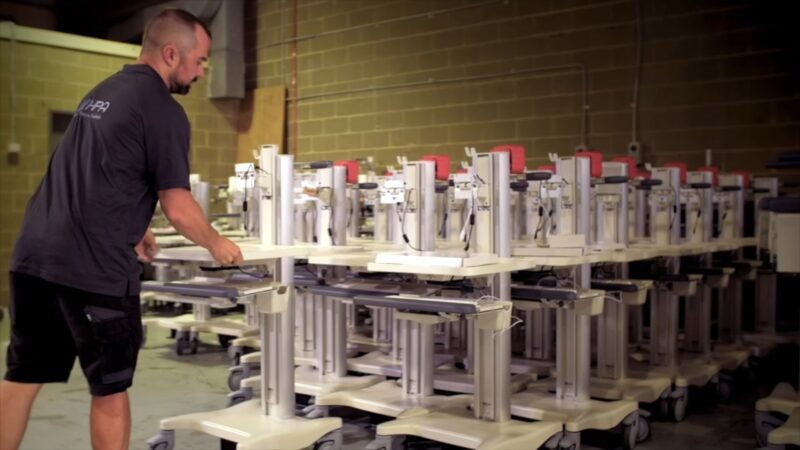
Shawn Wigham as Managing Director of Hospital Products Australia (HPA), runs a successful business providing equipment to Australia’s health care teams in aged care, hospitals and day-hospital procedure centres.
But what most may not be aware of, is his rapid growth since starting the business in 2013 having just been in health care a few years earlier. Being part of a 2nd generation health care family, Shawn learnt from his father on site and at trade show visits overseas. Prior to HPA, he spent 2 years working in fit-outs of operating theatres, neo-natal and general population ICU, throughout being more fascinated with what he saw.