
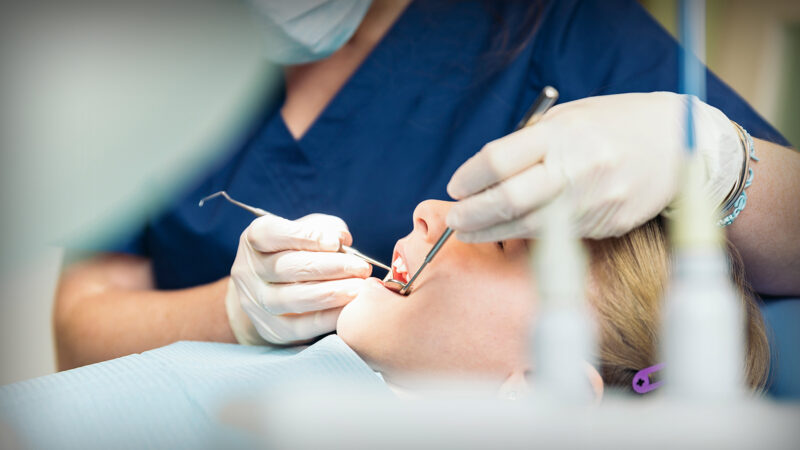
Child Dental Benefits Schedule needing greater awareness
Since its launch in 2014, the Child Dental Benefits Schedule has seen a gradual increase in participation year on year. The impact of COVID-19 and related shutdowns saw participation fall sharply in 2020. Though it increased 2021, the national target of 41% participation was not reached in 2021-2022, with the total (35.4%) more than three percent below 2018 participation rates.
In an opinion segment, Australian Health Journal spoke with Abano Healthcare Group Clinical Director, Dr Fred Calavassy, with over 30 years of clinical experience, about his observations of the Child Dental Benefits Scheme ways to increasing participation rates.

From University to Pharmacy Industry
The transition from full time academic study to industry can be both rewarding and challenging. Intern programs and an association for pharmacists, makes the transition easier.
The National Australian Pharmacy Students’ Association (NAPSA) represents students from 17 universities nationwide studying either an undergraduate or postgraduate program. The association advocates for Australian pharmacy students to ensure their future is prosperous and their status, rights and privileges are protected.

The world of AI avatars in dementia care
Dementia care is one of the critical issues facing the aged care industry. About 500,000 Australians currently live with the brain disorder condition, and this is tipped to rise to 1.1 million in a generation.
How to effectively provide quality care for people living with dementia was a key element of the royal commission into aged care, which found the complex care required was an ongoing challenge for the industry.

Strong primary care nursing solutions for a healthier Australia
The CEO of Australian Primary Health Care Nurses Association (APNA), Ken Griffin spoke with Australian Health Journal about the following:
– APNA President Karen Booth representing Primary Care Nursing in the Australian Government led Strengthening Medicare Task Force
– The current key challenges in primary care nursing
– Programs on diversity and student placement proposed in APNA’s pre-budget submission to Federal Government
– A proposed initiative called Nurse-Supported Self-Care, with broadening role primary care nursing would play in the community
– Hopes for other health priorities addressed in the Federal Budget
In the lead up to the Australian Federal Budget in May 2023, Australian Health Journal reached out to peak health industry bodies to hear about their priorities, either noted in pre-budget submissions lodged with Federal Government in January 2023 or in recent forums such as the Strengthening Medicare Taskforce.
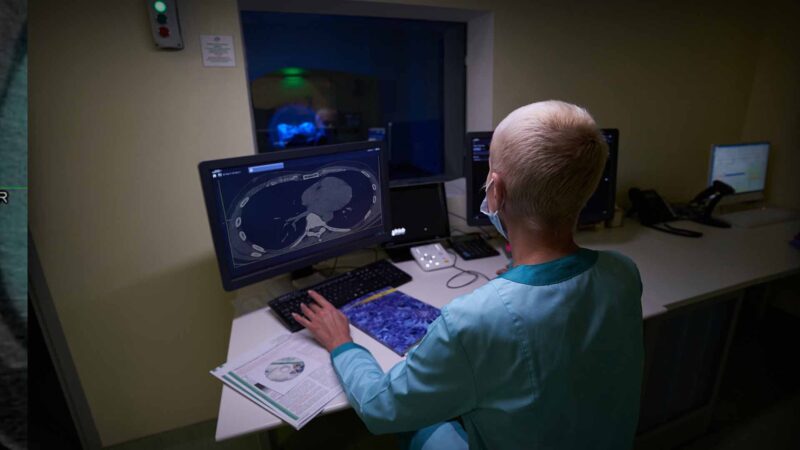
25 years of non-indexation of nuclear medicine impeding access & affordability
The President of the Australasian Association of Nuclear Medicine Specialists (AANMS), Associate Professor Sze Ting Lee spoke with Australian Health Journal about the following:
Usual levels of nuclear medicine services in Australia each year
Current levels of nuclear medicine services in Australia
How changing demographics in people moving to regional areas has impacted access to nuclear medicine services
The nuclear medicine workforce including trainees
The key recommendations from the pre-budget submission
In the lead up to the Australian Federal Budget in May 2023, Australian Health Journal reached out to peak health industry bodies to hear about their priorities, either noted in pre-budget submissions lodged with Federal Government in January 2023 or in recent forums such as the Strengthening Medicare Taskforce.
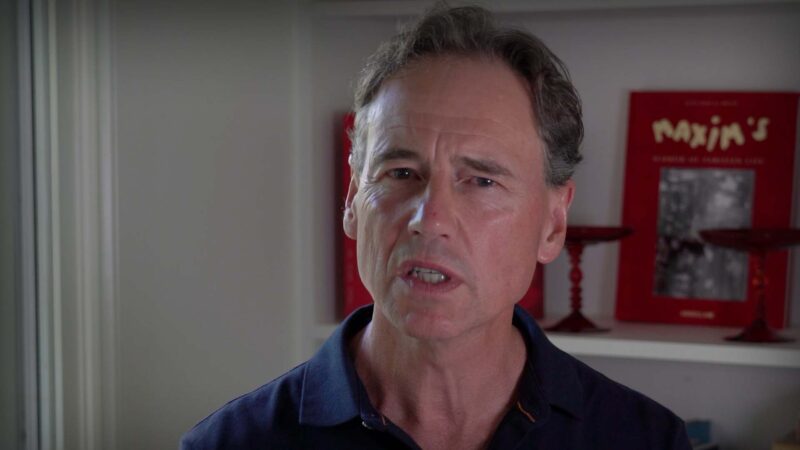
Message from former Australian Health Minister Hon Greg Hunt
The Honourable Greg Hunt served in the Australian Government as Minster for Health and Aged Care from 2017, previously as Industry, Innovation and Science Minister and before that the Environment Minister.
Elected as the Member for Flinders in 2001, Greg announced his retirement from politics late 2021 and in 2022, ahead of the Federal Election, having completed 20 years as a public servant.
Australian Health Journal recently caught up with Greg in a relaxed interview at his home in the Mornington Peninsula, Victoria to hear how a 9 month sabbatical has allowed him to focus on family, fitness and future. This has even included some “brutal spin cycle classes!”.