
-
More health care volunteers needed for Street Side Medics
Identifying a gap in the healthcare of vulnerable people in New South Wales, Dr Daniel Nour founded Street Side Medics in August 2020, a not-for-profit, GP-led mobile medical service for people experiencing homelessness.
Dr. Daniel Nour is a cardiology advanced trainee at Royal North Shore Hospital and the founder of Street Side Medics, a mobile medical service dedicated to providing GP-led care to individuals experiencing homelessness. The initiative started from a customised van, which serves as a medical clinic, visiting food services and shelters across New South Wales and recently Victoria. Street Side Medics offers free medical care without requiring documentation, ID, or a Medicare card.
-
Reframing women’s health as a system-wide agenda across innovation, regulation, workforce and policy
Professor Robyn Norton AO FAHMS is one of the two Founding Directors of The George Institute for Global Health, Professor of Public Health at UNSW Sydney and Emeritus Professor of Global Health at Imperial College London. Robyn co-established The George Institute’s Global Women’s Health Program and more recently the Centre for Sex and Gender Equity in Health and Medicine, where she co-leads the Business Translation Working Group. Robyn is a director on the board of the Black Dog Institute, a member of the Women in MedTech Committee of the MTAA and a member of Chief Executive Women. She also chairs the NHMRC’s Gender Guidelines Development Committee and the Advisory Board of the Network of Excellence in Women’s Health at Imperial College London.
-
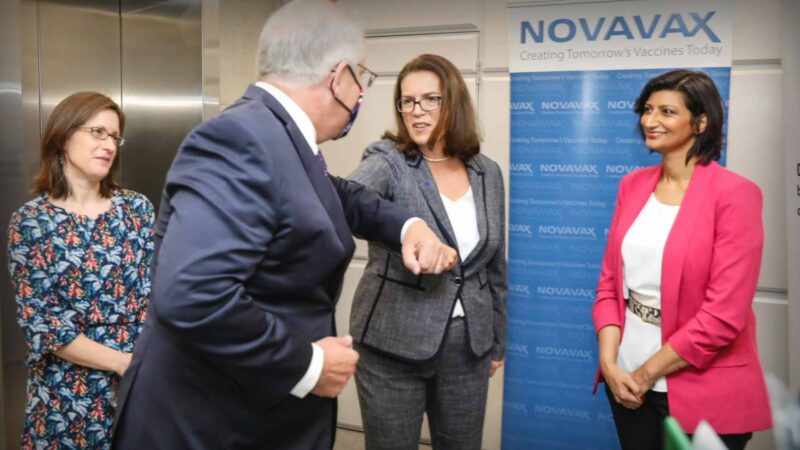
Family biz succeeds in vaccine approval & distribution
It’s been 10 years since Jenny and Karl Herz started in business. Over the past 10 years they’ve launched Biointelect and Biocelect businesses to help secure approval and distribution for new medicines into Australia.
In this Australian Health Journal interview, Jenny and Karl talk about the journey the husband and wife team took to get the Novavax COVID-19 vaccine (Nuvaxovid) approved and distributed in Australia. The journey didn’t just include talented and diverse skilled staff but also their children working in both organisations.
Post Views:
1,046
Lower back pain presentations in Emergency Department


Categories
- Allied Health 21
- Associations 57
- ARCS Australia 6
- Australasian College of Paramedicine 2
- Australian College of Nursing 13
- Australian Healthcare and Hospitals Association 9
- Australian Primary Health Care Nurses Association 3
- Consumers Health Forum of Australia 3
- Medical Technology Association of Australia 11
- Medicines Australia 2
- Pharmacy Society of Australia 5
- Royal Australian College for General Practitioners 3
- Australian state 35
- Awareness 3
- Bowel and Intestine 3
- Brain and Mind 30
- Cancer 9
- Career 55
- Charities 1
- Chronic disease 3
- Clinical Trials 31
- Conferences 14
- Core muscles 2
- Dental 14
- Dermatology 1
- Ear, nose and throat ENT 2
- Education 19
- Endocrinology 7
- Episodes 6
- Eye Health 5
- FULL CIRCLE DIGITAL HEALTH 1
- Gastroenterology 2
- General Practice 13
- Global Health 1
- Government 30
- Haematology 2
- Health System 114
- Accessibility 5
- Allied Health 3
- Awards and Recognition 6
- Comprehensive Centre 1
- Consumer involvement 3
- Decision Support 1
- Disease Preparedness 1
- Funding 1
- Government 18
- Health Policy 9
- Industry 2
- Job Skills and Training 6
- New Models of Care 14
- Occupational Therapy 5
- Population screening 2
- Preventive Health 4
- Private Health 1
- Public Health 6
- Regulatory and Reimbursement 6
- Scope of Practice 5
- Social Prescribing 1
- Value-Based Health Care 4
- Workforce growth 12
- Workforce Survey 1
- Workforce wellbeing 6
- Heart 7
- Hospitals and Clinics 63
- Anaesthesia 3
- Co-design and adoption 6
- Construction 2
- COVID-19 3
- Emergency Department 7
- Environment / Sustainability 3
- Equipment 2
- Funding and Operating Models 7
- Health Services and Systems 4
- Infection Control 4
- Planning, Culture and Growth 2
- Point of Care 4
- Private Hospitals 1
- Surgery 6
- Workflow 1
- Wound Management 2
- Immunology 2
- Industry 1
- Infectious disease 1
- Innovation 11
- International health and research systems 1
- Lived Experience 2
- Lung 4
- Markets 1
- Media Partners 3
- Medical Devices 19
- Medical Imaging 7
- Medical Management 1
- Medical Research 27
- Medical Technology 6
- Medicine 12
- Microbiota 1
- Musculoskeletal 6
- New Content 331
- Nursing 36
- Nutrition 3
- Oncology 6
- Op-Ed 3
- Oral Health 4
- Paramedics 5
- Patients 17
- Pharmacy 13
- Philanthropy, Foundations and Charity 2
- Population 80
- Aboriginal 3
- Cosmetic surgery 1
- Defence 2
- Disability 3
- Diversity, inclusion and equity 3
- Frail, Homebound and Bedridden Population 4
- Homeless 1
- Marginalised 1
- Men's Health 1
- Middle-aged 2
- New Parents 1
- Newborn / Neonatal 1
- Paediatric 13
- Palliative 2
- Rural and Remote 8
- Seniors and Aged Care 10
- Veterans 1
- Women and child birth 7
- Women's Health 14
- Youth 2
- Primary Health 16
- Region 1
- Reproduction, pregnancy & child birth 1
- Research 40
- Research to Practice 1
- Space Health & Medicine 2
- Startups 3
- Technology 46
- Training and Career 33
- Workforce sustainability 1