
LIVED EXPERIENCE: Complex Regional Pain Syndrome (CRPS)
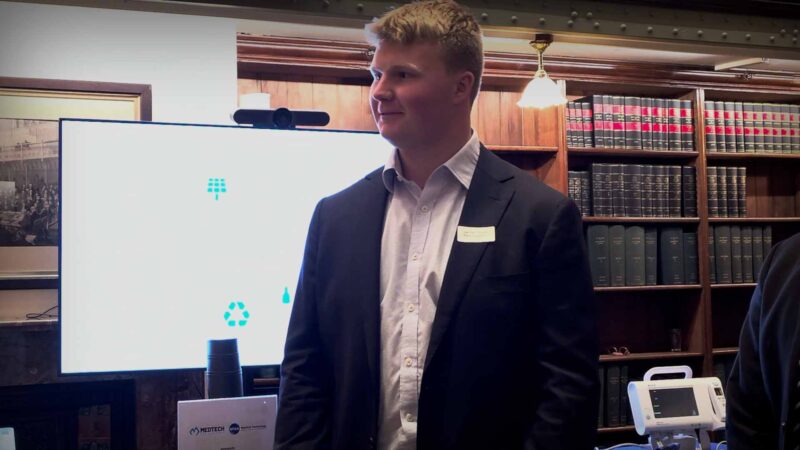
Lachlan Thorpe has shared his experience of living with complex regional pain syndrome (CRPS), highlighting the profound impact the condition had on his life and the difference medical technology has made to his recovery.
In an interview with the Australian Health Journal, Thorpe explained that his CRPS developed following an ankle injury sustained while playing rugby for Sydney University Rugby Club in late 2024. After undergoing surgery and rehabilitation for the injury, he began experiencing severe pain, swelling and sensitivity despite there being no further orthopaedic damage.

Peak body in child and family services urges prioritising healthcare for kids in care
The Centre for Excellence in Child and Family Welfare (the Centre) is calling on the Australian Government to prioritise healthcare access for children in out-of-home care.
“We have many amazing young people in care with huge potential, but they’re not set up for success,” said Deb Tsorbaris, CEO “Young people and workers tell us that access to health and education assessments is a huge disadvantage.”

New bar for cosmetic plastic surgeon accreditation
The newly established Australian and New Zealand Board of Cosmetic Plastic Surgery (ANZBCPS) has highlighted a concerning lack of confidence among cosmetic surgery patients in selecting qualified surgeons based on available online information.
In response to these challenges, the ANZBCPS has introduced the Board Certified Program to ensure patients have access to trustworthy information about qualified surgeons. Participating surgeons may use the title “ANZBCPS Board Certified,” indicating they meet stringent quality and safety standards, and adhere to the continuing professional development (CPD) requirements set by AHPRA.

Integrated oral health care in midwifery practice
There is limited emphasis being placed on perinatal oral health by prenatal care providers in Australia. Pregnant women have no system in place that can offer them regular oral assessment during pregnancy and prompt dental treatment at minimal or no cost as experienced in other countries. To address the oral health needs of pregnant women, a unique midwifery initiated oral health (MIOH) model was developed to promote and maintain maternal oral health.

Gold Coast paediatric emergency nurse leads world’s largest study in securement
Brooke Charters is a dynamic Paediatric Emergency Nurse who works at the Gold Coast University Hospital in Queensland. Brooke’s research became the world’s largest study of its kind and in May 2024 the results of the study were published in JAMA Pediatrics. Her mission is to drive change and enhance the hospital experience for children globally.

FULL FEATURE Consumers and communities as agents of health care change and improvement
Policymakers, health administrators and clinicians must learn and embrace new ways to harness the transformative role consumers, community members and carers can play. Conversely, consumers and communities need support, capability and capacity to engage as equals in policy, research, program and service design. This is necessary if are to be less technocratic and realise the vision where all members of society can live the best life possible.