Nurse recognised for reducing hospital waste
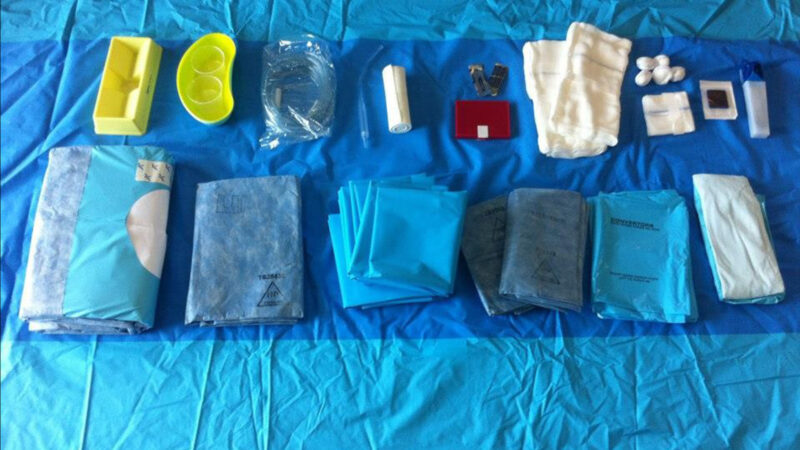
A nurse who started a charity from a granny flat in her parent’s backyard to reduce hospital waste has taken out one of the Australian nursing profession’s most prestigious honours.

The Northernmost Pharmacist in Australia
Carli Berrill is a Co-Owner and Pharmacist of two pharmacies in Far North Queensland, including one on Thursday Island in Torres Strait, which is the most northern pharmacy in Australia.
Her role with the Thursday Island Pharmacy is to provide essential health and pharmacy services to 15 communities, including remote islands south of Papua New Guinea. The role for the community is the important ‘constant’ in being a trusted and familiar healthcare professional.
Reducing patient accessibility barriers in the clinical setting
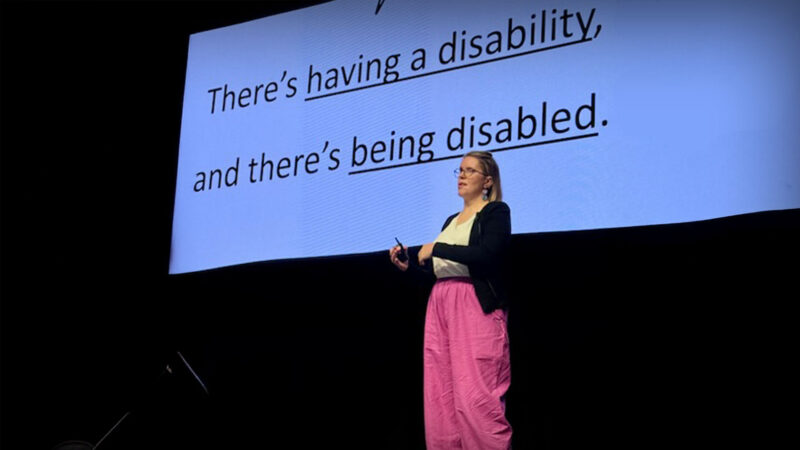
Hannah McPierzie is a globally respected presenter, disability advocate, and educator who offers a unique perspective on disability and communication. She lives with Neurofibromatosis Type 2, a rare degenerative condition, and has two auditory brainstem implants. After 15 years teaching in the disability sector, Hannah acquired disability herself in 2020, when life-saving surgery left her deafblind.
Health-Tech Connections
Challenges in health care delivery have compounded, with clinical staff being exposed to the Omicron COVID variant. Reduced staffing has brought on its challenges to most already-strained state health care systems and the people working in them.
However, over the past 2 years of the pandemic, technology has played an increasing role on the front end for patients and consumers at home and clinicians in the medical setting. Much more is planned in technology that will deliver efficiency, reduce risk and make available new models of care. This has the potential to touch the working lives of all stakeholders and
recipients of care.
Smart technology in wound care
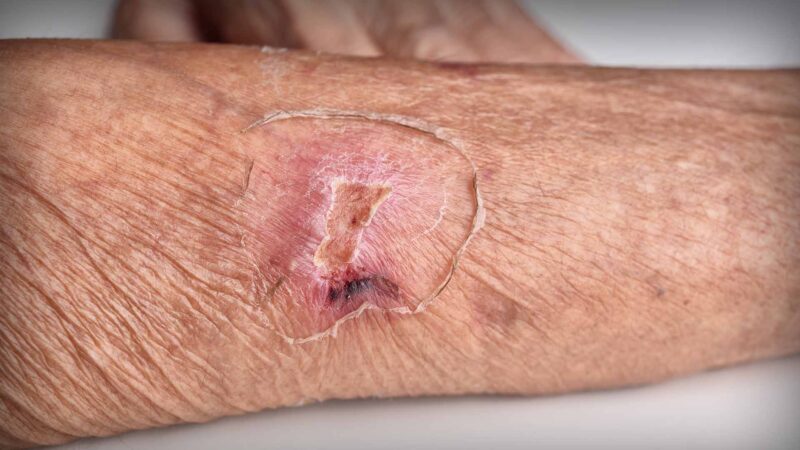
Throughout her journey around wound care, Santosh Kaur was frustrated to see the simple gaps in wound care resulting in negative patient outcomes. Santosh is the founder of SmartHeal which launched in 2020.
SmartHeal replaces the nurses taking cumbersome manual measurements and manual sharing of important wound data with a no touch technique. It aims for healthcare professionals to have live remote access to wound data, make wound assessments and assist with speech to text notes thus saving time, cost and people. SmartHeal also aims to assist healthcare professionals in providing optimum wound care by analysing the wound tissue for infection, moisture and providing suggestions for suitable dressing.
NSW political candidates outline policy priorities in Great Health Debate
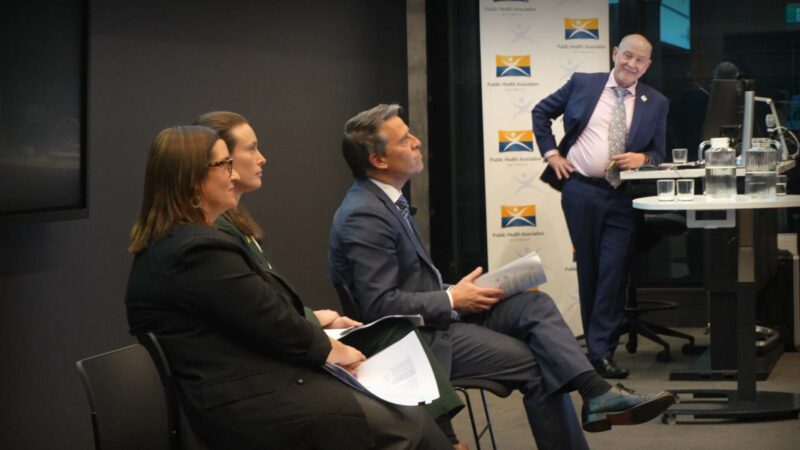
Heading towards NSW State Election in March 2027, the NSW Health Minister, Shadow Minister for Health and Greens Health spokesperson met to debate one another this week – laying out their vision of how they would protect the health of NSW residents and use prevention to reduce demand on NSW hospitals, doctors and ambulances.