
Government

MedTech Industry invited to NSW Parliament House

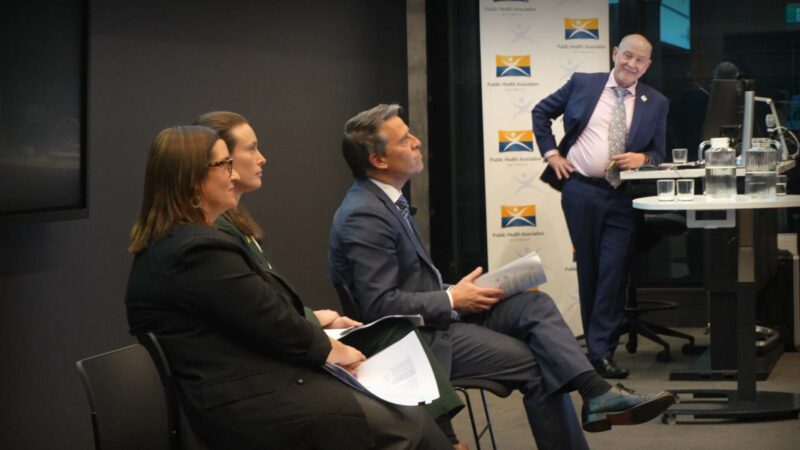
The inaugural NSW Parliament MedTech Showcase, hosted by The Hon Courtney Houssos MLC has highlighted the medical technology sector’s contribution to patient care, local manufacturing, jobs and the broader economy.

Speaking with the Australian Health Journal, Justin Foster, Associate Director of Advocacy and Government Relations at the Medical Technology Association of Australia (MTAA), said the event provided an important opportunity for industry and government to work together on shared priorities.

Governance, safety and quality of digital health products

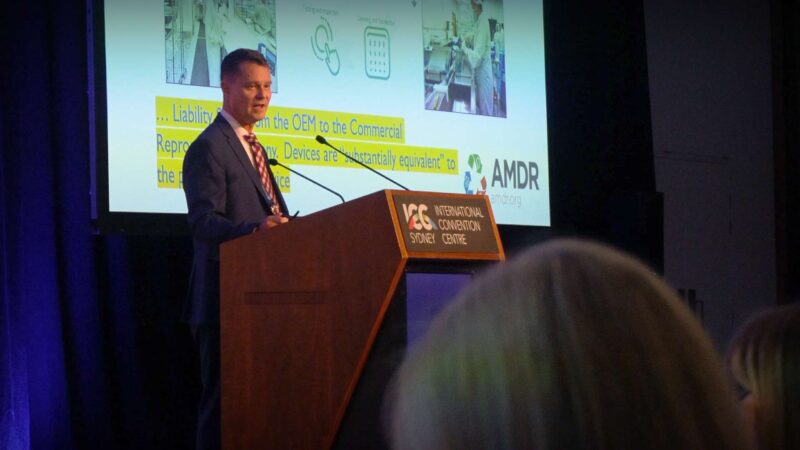
Chris Boyd-Skinner is Chief Executive Officer of the Digital Health Standards Council of Australasia (DHSCA). He is an experienced digital health and governance expert, having led national and international clinical governance in digital health and AI initiatives for the Australian Government.

Valuing the Contribution of Exercise Physiologists in Australia

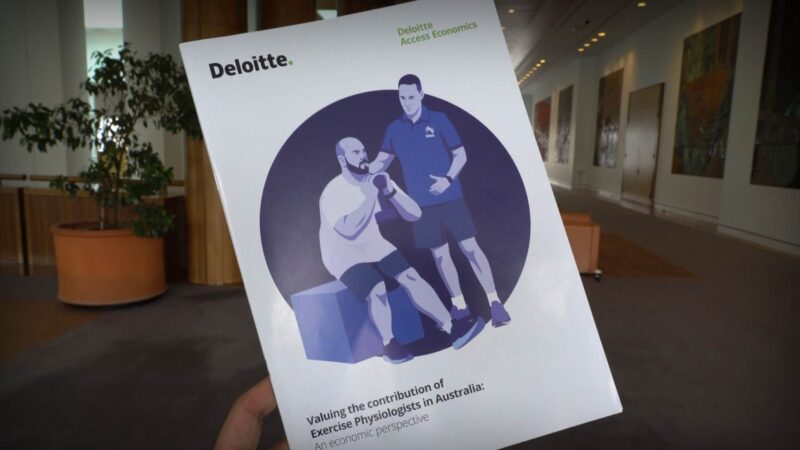
Exercise physiologists are saving the Australian health system at least $940 million across six chronic health conditions every three years, a Deloitte Access Economics report has found.

Backed by three decades of rigorous peer-reviewed science, exercise physiology delivers services to 243,000 Australians per week, translating to more than 1.16 million unique patients annually, primarily through 9,800 Accredited Exercise Physiologists (AEPs) nationwide.

Cost of living relief for students training in national skills shortage fields

The Australian Government is expanding the Commonwealth Prac Payment to eligible students in 10 additional frontline allied health disciplines, providing financial support during mandatory university placements.

From 1 July 2027, eligible students studying audiology, pharmacy, radiography, clinical psychology, physiotherapy, rehabilitation therapies, occupational therapy, podiatry, speech pathology and paramedicine will be able to access the payment.

Op-Ed: CGT and proposed RDTI changes creating uncertainty in life sciences

Proposed Budget changes to the Research and Development Tax Incentive (RDTI) will disproportionally impact Australia’s biotech, medtech and health tech sector forcing more home-grown companies to consider moving overseas.

Funding roadblocks creating digital health inequity

Helen Souris, CEO and Executive Director of Cardihab and Chair of the Digital Health Advisory Group at the Medical Technology Association of Australia (MTAA), highlights the significant gap in cardiac rehabilitation access across Australia. Despite the proven benefits of cardiac rehabilitation in improving survival, quality of life, and reducing hospital admissions, around 80% of eligible patients do not receive this care, with access rates even lower in regional and rural communities.

Substantial increase in allied health funding for veterans through DVA

The Australian Federal 2026–27 Budget included several significant announcements relating to allied health services for veterans, largely tied to the Government’s response to recommendations from the Royal Commission into Defence and Veteran Suicide.

Exercise Physiologists flex and grow at national conference in Adelaide 

Exercise & Sports Science Australia (ESSA) this week in Adelaide convened the Activate Conference billed as “where science meets inspiration”, bringing together the latest research, breakthrough ideas and real-world applications from across exercise and sports science.  

Improved access to technology needed for people with Type 2 Diabetes needing insulin

The National Diabetes Services Scheme (NDSS) provides subsidised products for diabetes management; however, disparities exist in access to technology between those with Type 1 and Type 2 diabetes. While continuous glucose monitoring (CGM) devices are subsidised for Type 1, they are not available for Type 2 diabetes. ADEA advocates for equitable access to these essential tools, emphasising that all individuals with diabetes deserve the resources necessary for optimal management and reduced risk of complications. Without such technologies, many are forced to rely on finger pricking, which can be inconvenient and unsafe in settings such as the workplace and in higher education.

Success in WA pilot to observe babies showing delays in social interaction & communication development

Inklings – led by The Kids Research Institute Australia – is a program for babies aged 6-18 months whose communications skills are developing differently to expected milestones. In early 2025 it has completed the first year of a pilot program.

At the time of filming (Nov 2024), Inklings has received more then 300 enquiries across WA and started to deliver services to 160 children, with almost 60 who have completed the program.

Scroll to top