
-
A clinical research career working Sponsor-side, CRO-side to Site-side
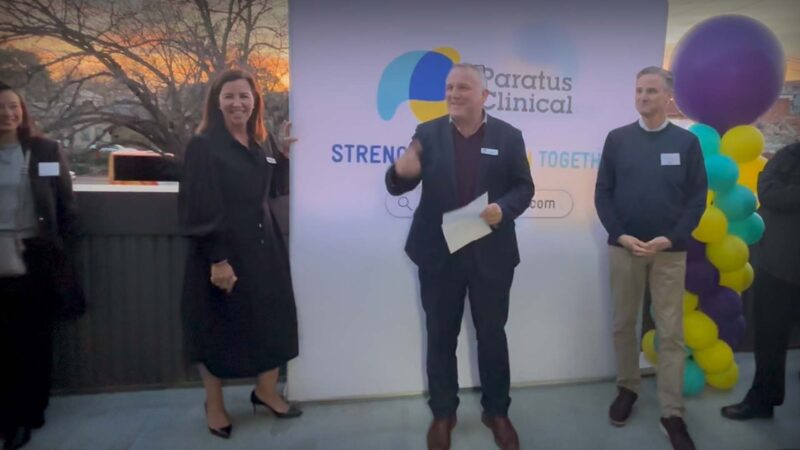
In July 2025, Paratus Clinical, a Australian provider of dedicated clinical trial services, announced the appointment of Megan Morrison as its new Chief Executive Officer, at the same time as a significant milestone as the company celebrating over a decade of impact in the clinical research space. Paratus now operates a network of five purpose-built, research-only clinics along Australia’s eastern seaboard.
-
Investments to address health inequities in Prostate Cancer Care
Income, education, geographical location, and discrimination based on ethnicity, race, gender and sexual orientation, are only a fraction of factors that can negatively affect a person’s quality of cancer care. This is defined as the “equity gap” and it’s costing people their lives.
Timed to coincide with World Cancer Day 4th February 2025, Movember announced prostate cancer investment of $5.5 million. Eighteen grants (16 proposals and 2 community development grants) are slated to directly tackle inequities in prostate cancer care. The funding will be over three years with the grants spread across five countries – six in Canada, five in the United Kingdom, three in Australia, three in the United States and one in Ireland – each having a specific focus population and care area.
-
Delivering anaesthetic services to countries where surgical services can’t be provided
Dr Wendy Falloon is an Anaesthetist of over 30 years experience and a Fellow of Australian and New Zealand College of Anaesthetists (ANZCA). She studied medicine at the University of Tasmania, and worked in Hobart, Sydney and the Uk while completing her specialist qualifications. Her primary professional focus has always been to deliver the best possible experience of anaesthesia to each and every patient, and for them to know that she sees and values them, and their stories.
Having been born in Africa, she realised even as a child that health and wealth were largely a product of where people happen to be born. This sowed the seed of her ongoing desire to be of help to others in less fortunate circumstances, ultimately leading to her volunteer work with the Mercy Ships charity. This is one of the most fulfilling aspects of her career, and she has volunteered in Africa with Mercy Ships 8 times since 2014.
Post Views:
4,596
Health-Tech Connections


Categories
- Allied Health 21
- Associations 57
- ARCS Australia 6
- Australasian College of Paramedicine 2
- Australian College of Nursing 13
- Australian Healthcare and Hospitals Association 9
- Australian Primary Health Care Nurses Association 3
- Consumers Health Forum of Australia 3
- Medical Technology Association of Australia 11
- Medicines Australia 2
- Pharmacy Society of Australia 5
- Royal Australian College for General Practitioners 3
- Australian state 35
- Awareness 3
- Bowel and Intestine 3
- Brain and Mind 30
- Cancer 9
- Career 55
- Charities 1
- Chronic disease 3
- Clinical Trials 31
- Conferences 14
- Core muscles 2
- Dental 14
- Dermatology 1
- Ear, nose and throat ENT 2
- Education 19
- Endocrinology 7
- Episodes 6
- Eye Health 5
- FULL CIRCLE DIGITAL HEALTH 1
- Gastroenterology 2
- General Practice 13
- Global Health 1
- Government 30
- Haematology 2
- Health System 114
- Accessibility 5
- Allied Health 3
- Awards and Recognition 6
- Comprehensive Centre 1
- Consumer involvement 3
- Decision Support 1
- Disease Preparedness 1
- Funding 1
- Government 18
- Health Policy 9
- Industry 2
- Job Skills and Training 6
- New Models of Care 14
- Occupational Therapy 5
- Population screening 2
- Preventive Health 4
- Private Health 1
- Public Health 6
- Regulatory and Reimbursement 6
- Scope of Practice 5
- Social Prescribing 1
- Value-Based Health Care 4
- Workforce growth 12
- Workforce Survey 1
- Workforce wellbeing 6
- Heart 7
- Hospitals and Clinics 63
- Anaesthesia 3
- Co-design and adoption 6
- Construction 2
- COVID-19 3
- Emergency Department 7
- Environment / Sustainability 3
- Equipment 2
- Funding and Operating Models 7
- Health Services and Systems 4
- Infection Control 4
- Planning, Culture and Growth 2
- Point of Care 4
- Private Hospitals 1
- Surgery 6
- Workflow 1
- Wound Management 2
- Immunology 2
- Industry 1
- Infectious disease 1
- Innovation 11
- International health and research systems 1
- Lived Experience 2
- Lung 4
- Markets 1
- Media Partners 3
- Medical Devices 19
- Medical Imaging 7
- Medical Management 1
- Medical Research 27
- Medical Technology 6
- Medicine 12
- Microbiota 1
- Musculoskeletal 6
- New Content 331
- Nursing 36
- Nutrition 3
- Oncology 6
- Op-Ed 3
- Oral Health 4
- Paramedics 5
- Patients 17
- Pharmacy 13
- Philanthropy, Foundations and Charity 2
- Population 80
- Aboriginal 3
- Cosmetic surgery 1
- Defence 2
- Disability 3
- Diversity, inclusion and equity 3
- Frail, Homebound and Bedridden Population 4
- Homeless 1
- Marginalised 1
- Men's Health 1
- Middle-aged 2
- New Parents 1
- Newborn / Neonatal 1
- Paediatric 13
- Palliative 2
- Rural and Remote 8
- Seniors and Aged Care 10
- Veterans 1
- Women and child birth 7
- Women's Health 14
- Youth 2
- Primary Health 16
- Region 1
- Reproduction, pregnancy & child birth 1
- Research 40
- Research to Practice 1
- Space Health & Medicine 2
- Startups 3
- Technology 46
- Training and Career 33
- Workforce sustainability 1