
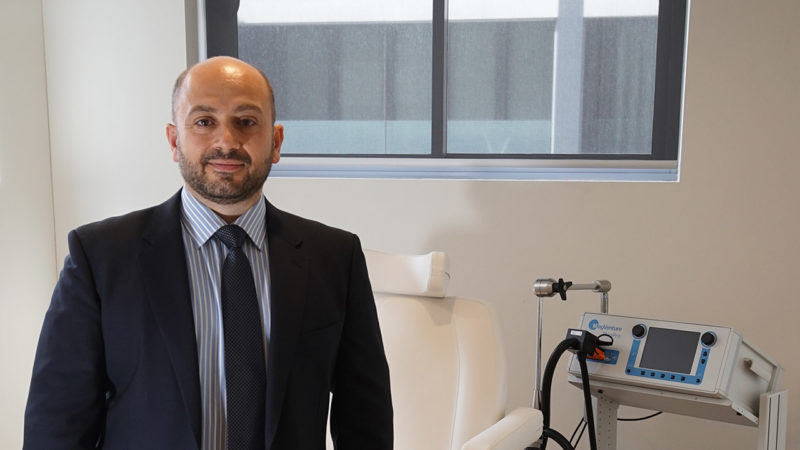
AHJ S1E1: Sydney TMS: Transcranial Magnetic Stimulation
TMS (Transcranial Magnetic Stimulation) is a mild form of brain stimulation. Magnetic fields, generated by a coil placed on the head, are used to stimulate a small area of the brain. It is a non-invasive procedure that treats the symptoms of depression through the use of magnetic fields that stimulate nerve cells. The stimulation takes 20-30 minutes and given on an outpatient basis. While receiving stimulation, the patient is fully awake.
It can be use to treat patients who have little success with common treatments e.g., medication, psycho-therapy.
Sydney TMS operates 3 clinics in Australia that provide TMS treatment to patients. Founder Dr Jason Pace spoke with Australian Health Journal

Still seeking outcomes after 6th Stoma Appliance Scheme Schedule Review
50,000 Australians have undergone the trauma and challenge of having a stoma inserted. Whilst the Australian Government invests in the appliances and products they need through the Stoma Appliance Scheme (SAS), this list is dated and doesn’t include as many of the products available in other countries. A new report commissioned by the Stoma Industry Association (SIA) shows Australia lagging countries such as the United Kingdom, Canada and Spain in supporting ostomates (people with a stoma).

Occupational therapy creates profound impacts on client and patient lives
Margeaux Bartholomew-Carle is an Adelaide based registered Occupational Therapist and the Founder and CEO of Ardant.
Throughout her career, Margeaux has worked in various settings, including aged care, disability, assistive technology, prescription, and mental health. This diverse experience has deepened her understanding of the different needs among client groups.
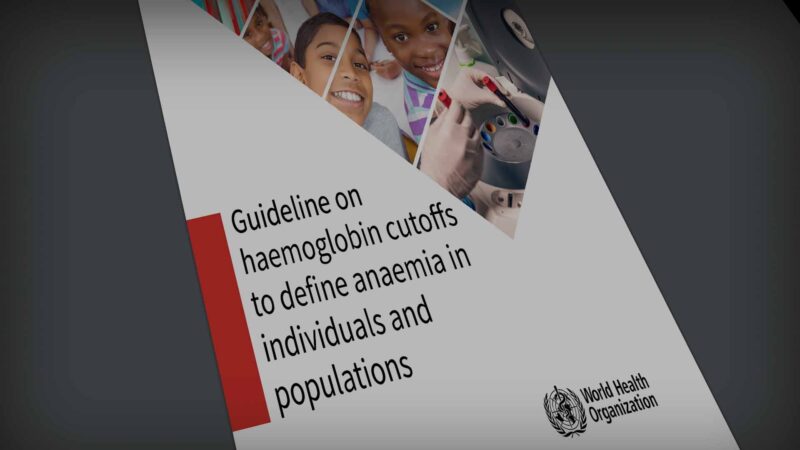
Landmark Australian-led study revises thresholds to diagnose and treat anaemia
In 2014, WEHI researchers began a study at the request of the World Health Organization (WHO), to formally review its global anaemia guidelines that were last updated in 1968.
Study lead and Acting WEHI Deputy Director, Professor Sant-Rayn Pasricha, speaking to Australian Health Journal said while anaemia can be diagnosed by measuring the amount of haemoglobin in the blood, there is currently no consensus on the thresholds that should be used to define the condition.
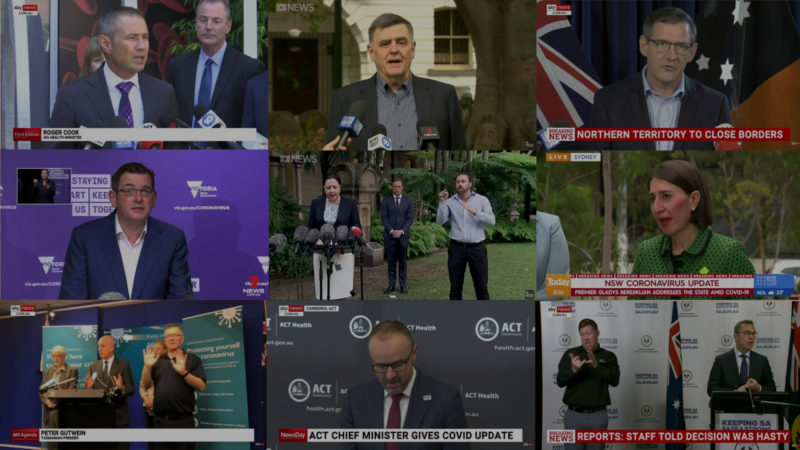
Continuity of Care under COVID-19
Series 3, Episode 1
Under the COVID-19 pandemic, the Australian Healthcare system has handled the public health crisis by monitoring and responding to challenges in supply chains, testing & tracing of new infections and stock piling of essential equipment.
The public has largely responded by practising social distancing, understanding how hand hygiene can spread contagion and recently installing the COVIDSafe mobile application. Public health messaging has been largely effective and literacy improve, to combat the dangers of misinformation.
To open up access to medical advice during the pandemic, in March the Australian government issued MBS item codes for telehealth consultations, for advanced practice nurses as well as GPs and other specialists.
According to AMA President Dr Tony Bartone, as of mid-May 2020, around 10 million Medicare-funded telehealth services have been provided, either over the phone or via video, a significant majority of which have been provided by GPs and other specialists since the Medicare telehealth items were introduced in March.
However in recent months, the health system has mounting concerns on:
- a reduction in general practice visits for testing, investigation or immunisation
- lower rates of elective procedures resuming since being halted
- reduction in laboratory testing
- reduction in treatments and diagnosis of chronic and acute conditions
- access to, and continuing to take medications
Those with pre-existing conditions have been urged to keep appointments and routine treatments to maintain their health.
Industry has taken action such as the newly formed Continuity of Care Collaboration (CCC). The 15 health organisations forming CCC are an Australian first national communication collaboration of Peak Bodies, Industry and Healthcare Organisations coming together to stress the importance for people to continue monitoring their health and maintaining their regular care.
This Australian Health Journal episode on the continuity of care was produced with commentary from the following health industry associations and organisations: APNA – Australian Primary Health Care Nurses Association, RACGP, Medical Technology Association of Australia (MTAA), West Cessnock Medical Practice, Consumers Health Forum of Australia, Medicines Australia

New research papers show productivity gains and gaps
Commissioner Catherine De Fontenay talks about the Productivity Commission’s new approach to analysing health productivity, shifting the perspective from the unit measurement of individuals using the health system to the actual improvement of health. This has shown Australia’s health treatment productivity is improving, but identifies gaps in preventative health measures and duplication, where digital technology needs to be more effectively used.