
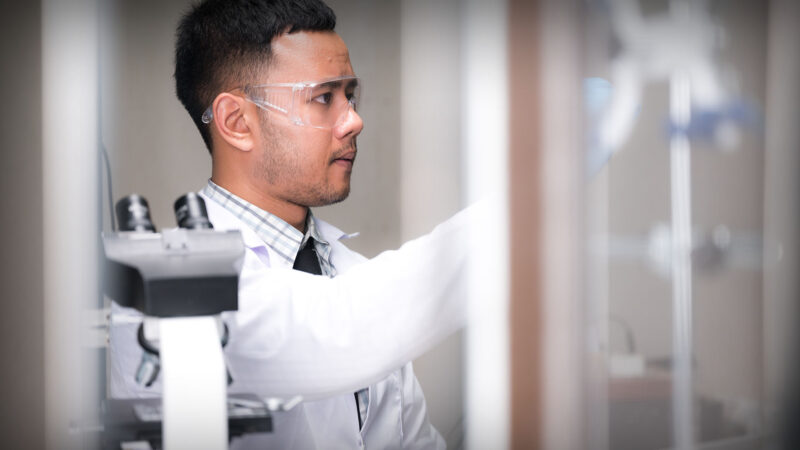
Making clinical trials participant friendly
Clinical trials are essential in developing new, improved, and more effective treatments and interventions. Without trials, researchers and professionals in the field cannot properly determine whether these new treatments and interventions are safe and effective.
The Clinials platform is geared towards patient centric trials and reducing site burden. The aim is to accelerate lifesaving medicines coming to market by connecting participants and researchers. The platform allows participants to come to researchers with their eligibility in hand among other capabilities.

Imperatives for women diagnosed with ovarian cancer
Professor Clare Scott, a pioneering clinician scientist at the Walter and Eliza Hall Institute of Medical Research in Melbourne, also serves as a medical oncologist at Peter MacCallum Cancer Centre, the Royal Melbourne Hospital, and the Royal Women’s Hospital.
Her comprehensive training in medical oncology has fuelled her specialisation in gynaecological cancer, combining rigorous research with clinical trials to improve patient outcomes. With over a decade of involvement in ANZGOG, Australia’s foremost gynaecologic cancer research organisation, she is deeply committed to advancing research and saving lives.
Recognising service in health regulation
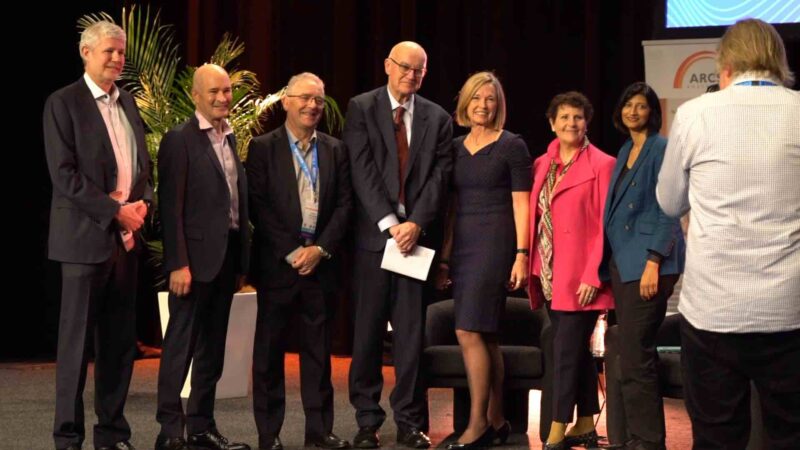
In April 2023, Professor John Skerritt retired from his position of Deputy Secretary Health Products Regulation Group, a role he has been in since 2012. During his time at the TGA he had line responsibility for over 1200 staff involved in the regulation of therapeutic goods, regulation of gene technology and industrial chemicals and control of drug import, export and production.
At this year’s ARCS 2023 Conference, ARCS Australia CEO Dr Shanny Dyer paid tribute to Professor Skerritt and his service to the Australian health industry. She led a tribute with fellow industry heads, Elizabeth de Somer, CEO, Medicines Australia, Anne Harris, Managing Director, Pfizer Australia & New Zealand, Deon Schoombie, CEO, Consumer Healthcare Products Australia, Ian Burgess, CEO, Medical Technology Association of Australia and Arthur Brandwood, President ARCS Australia.

Impact of genetic pathologist role across medicine
Dr Marina Berbic is a genetic pathologist and the Deputy Director of Genetics at Douglass Hanly Moir Pathology – a laboratory based in Sydney and part of Sonic Healthcare. The genetics department at Douglass Hanly Moir offers a wider array of genetic tests across many domains, and the medical leadership model ensures the highest possible standard of care and commitment to patient safety.

Handling modern day diets and misinformation as a HCP
Laureate Professor Clare Collins AO in Nutrition and Dietetics at the University of Newcastle, emphasises the need for accurate and reliable nutrition information to reach the public. Prof Collins believes that it is vital for clinicians to stay up-to-date with cutting-edge nutrition science and work with communication organisations to disseminate information to the general public. This is particularly important as social media is full of both reliable and unreliable information on dietary patterns, such as veganism.
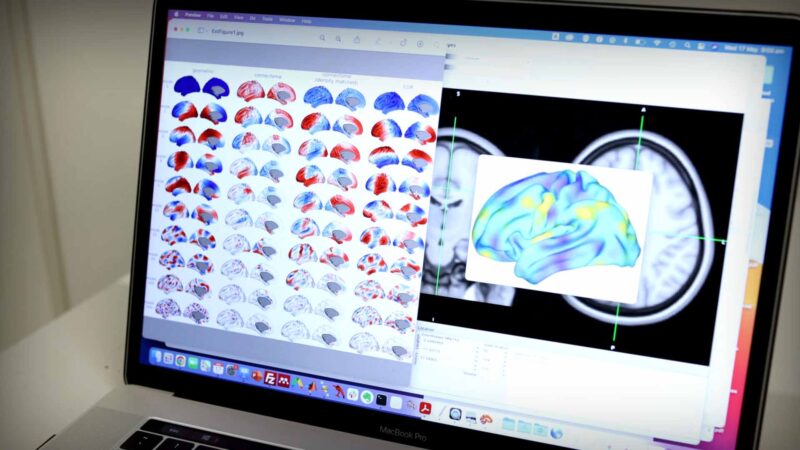
Landmark brain shape study
For over a century, researchers have thought that the patterns of brain activity that define our experiences, hopes and dreams are determined by how different brain regions communicate with each other through a complex web of trillions of cellular connections.
Now, a Monash University Turner Institute for Brain and Mental Health-led study has examined more than 10,000 different maps of human brain activity and found that the overall shape of a person’s brain exerts a far greater influence on how we think, feel and behave than its intricate neuronal connectivity.