

Bridging the orthodontic knowledge gap
In recent years, the orthodontic sector has been growing rapidly due to success in B2C marketing and companies like Invisalign reaching the consumer, but there has also been a lack of knowledge sharing among general dental practitioners and specialists.
General dentists require mentorship and guidance from orthodontists to feel confident in providing orthodontic treatment to their patients, ultimately improving the quality of care in the community.
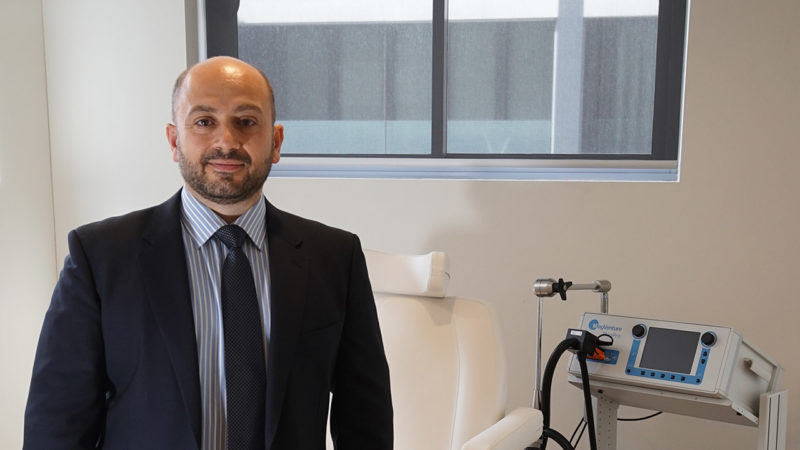
AHJ S1E1: Sydney TMS: Transcranial Magnetic Stimulation
TMS (Transcranial Magnetic Stimulation) is a mild form of brain stimulation. Magnetic fields, generated by a coil placed on the head, are used to stimulate a small area of the brain. It is a non-invasive procedure that treats the symptoms of depression through the use of magnetic fields that stimulate nerve cells. The stimulation takes 20-30 minutes and given on an outpatient basis. While receiving stimulation, the patient is fully awake.
It can be use to treat patients who have little success with common treatments e.g., medication, psycho-therapy.
Sydney TMS operates 3 clinics in Australia that provide TMS treatment to patients. Founder Dr Jason Pace spoke with Australian Health Journal

Research funded to investigate early-onset bowel cancer progression
Bowel Cancer Australia recently announced a team led by Professor Michael Samuel as the successful applicant for a three-year $600k early-onset bowel cancer research project through the 2023 round of Cancer Australia’s Priority-driven Collaborative Cancer Research Scheme (PdCCRS).
Recognising service in health regulation
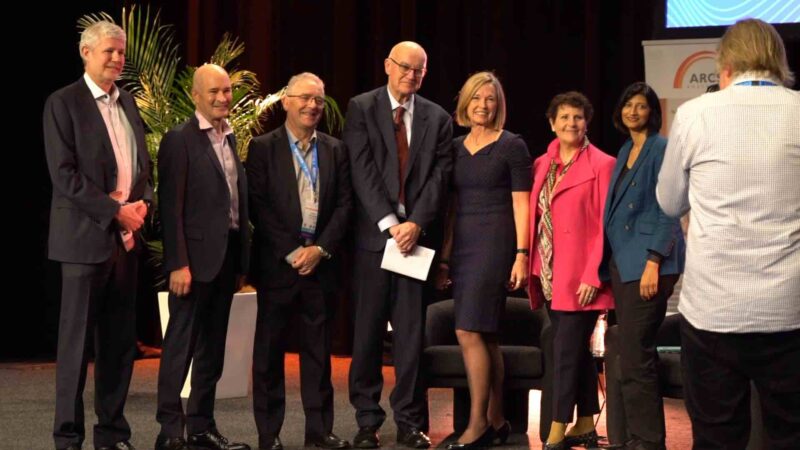
In April 2023, Professor John Skerritt retired from his position of Deputy Secretary Health Products Regulation Group, a role he has been in since 2012. During his time at the TGA he had line responsibility for over 1200 staff involved in the regulation of therapeutic goods, regulation of gene technology and industrial chemicals and control of drug import, export and production.
At this year’s ARCS 2023 Conference, ARCS Australia CEO Dr Shanny Dyer paid tribute to Professor Skerritt and his service to the Australian health industry. She led a tribute with fellow industry heads, Elizabeth de Somer, CEO, Medicines Australia, Anne Harris, Managing Director, Pfizer Australia & New Zealand, Deon Schoombie, CEO, Consumer Healthcare Products Australia, Ian Burgess, CEO, Medical Technology Association of Australia and Arthur Brandwood, President ARCS Australia.

Analogy of the system, rather than the ED front door
“The problem of blockages shows up in ambulance ramping and long wait times, but this is a complex issue requiring whole-of-health system solutions,” according to Professor Hugh Grantham, Chair of Emergency Medicine Foundation in an interview with Australian Health Journal.
Caring for community
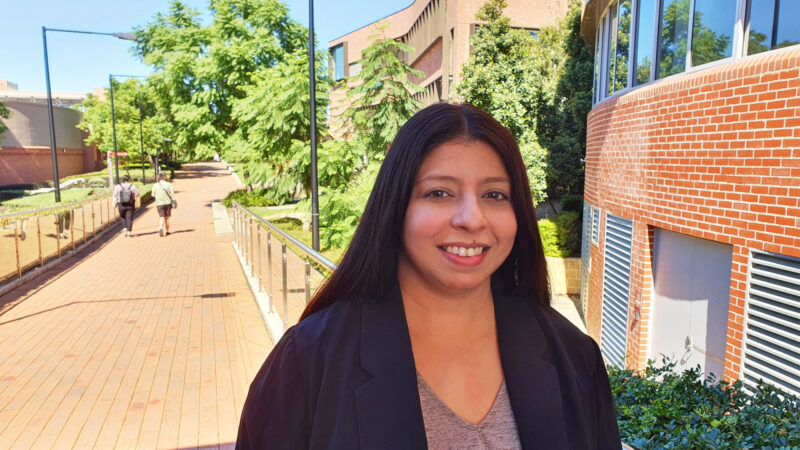
With a passion for helping people, Carina Fernandes in her final year at Western Sydney University received accolades as a nursing student. Now a recent graduate, having completed her Bachelor of Nursing (Advanced) degree, and recognised as an Emerging Nurse Leader 2021 by the Australian College of Nursing, Carina has her sights set on her new role in healthcare, at the same time keeping sustainability top of mind.