
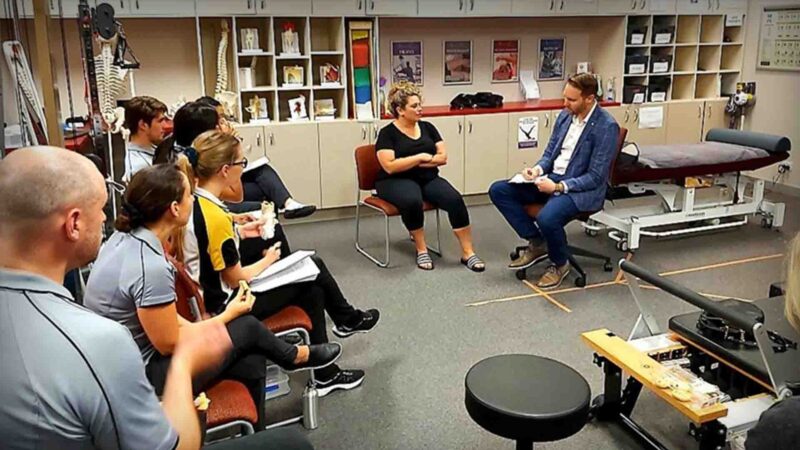
Specialist physiotherapist successfully mixes online & in-person
Dr. Kieran Richardson (FACP) is a Specialist Physiotherapist, conferred by the Australian College of Physiotherapists (Australian Physiotherapy Association) in 2016. Dr Richardson is the Director of Global Specialist Physiotherapy, a consultancy company providing online Formal Mentoring and Professional Development individual clinicians, clinics, and groups, as well as Second Opinions to clinicians and directly to patients all around the world.
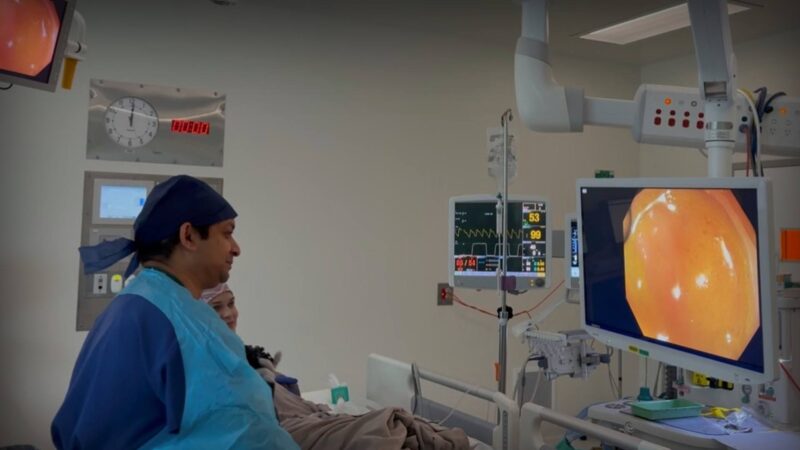
Streamlining and centralising training for gastroenterologists
Dr Amit Saha is a Paediatric Gastroenterologist and Hepatologist and trained paediatric endoscopist based in Perth. He underwent his higher specialist training in Paediatrics within the NHS in the UK, and sub-specialised in Paediatric Gastroenterology Hepatology & Nutrition at busy and prestigious centres in London including The Kings College Hospital.
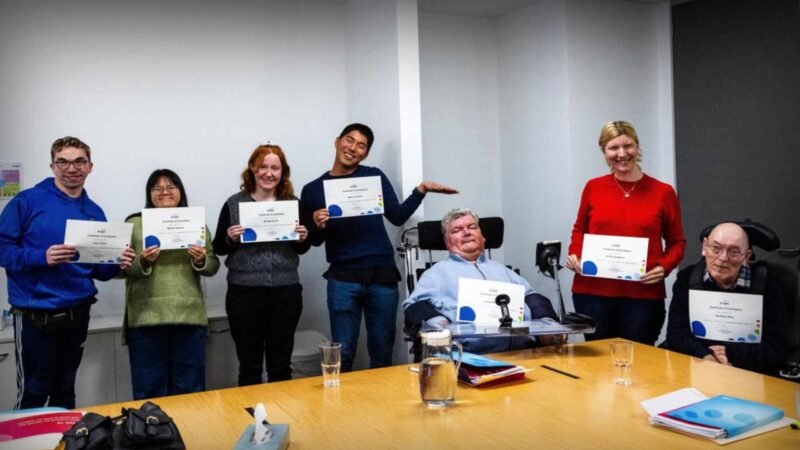
Course developed for people with intellectual disability to learn about research
Scope Australia is one of the largest not-for-profit disability service providers in Australia, supporting thousands of people with complex intellectual, physical, and multiple disabilities.
They operate across Victoria and New South Wales across more than 425 service locations.
Scope’s research team developed a course about what research is and how to do research. Eight people with intellectual disability did the course. Five people took part in interviews to help Scope learn about the course and how to make it better.
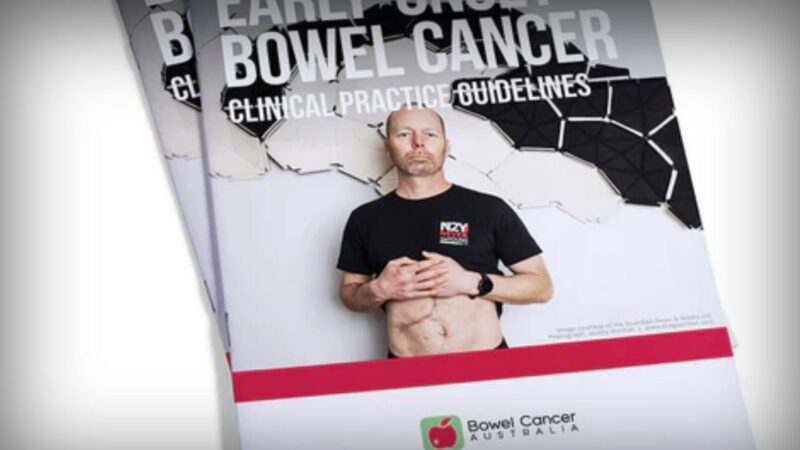
In development, age specific clinical practice guidelines for early onset bowel cancer
The National Health and Medical Research Council (NHMRC) has agreed to consider for approval the Clinical Practice Guidelines for the Early Diagnosis and Management of Early-Onset Colorectal Cancer (EOCRC), to be developed by Bowel Cancer Australia in collaboration with the Australian Living Evidence Collaboration (ALEC), and funded by Bowel Cancer Australia. ALEC is led by Cochrane Australia and based in the School of Public Health and Preventive Medicine at Monash University.

HEALTH CARE BRIEF: Venous thromboembolism (VTE)
Venous thromboembolism (VTE) – Incidence rates, symptoms, risks, research & innovation

Changes in MBS bulk billing incentives address GP capacity in women’s health
Dr. Sneha Wadhwani, a General Practitioner in Bondi, and Conjoint Lecturer at UNSW School of Medicine, is actively involved in enhancing women’s health services across Australia. As the Co-founder and Clinical Director of Evoca Women’s Health, she highlights the significant improvements in funding for women’s health, particularly with the new MBS bulk billing incentives, in new codes, that commenced on November 1, 2025.