

Bionic eye trial shows improvements in functional vision for retinitis pigmentosa
Results of the first clinical trial of Australia’s ‘second generation’ bionic eye have demonstrated ‘substantial improvement’ in four participants’ functional vision, daily activities and quality of life over a period of more than two and a half years.
Led by the Centre for Eye Research Australia, Bionics Institute, University of Melbourne and Royal Victorian Eye and Ear Hospital, the trial findings add to interim results which showed that the second-generation bionic eye developed by Australian company Bionic Vision Technologies provided rapid improvements for four patients with blindness caused the genetic eye condition retinitis pigmentosa.

Clinical entrepreneur addresses needle-phobia
Australian entrepreneur, Lauren Barber, turned her nursing background into the role of an inventor and launched a medical device into the Australian healthcare industry.
No journey is linear for an entrepreneur, but Lauren has travelled considerable distance from a nursing student to a successful entrepreneur illustration her determination and passion to help those with needle phobias. Lauren’s work with NeedleCalm is making a positive impact in the healthcare industry and improving the experiences of patients and clinicians alike.
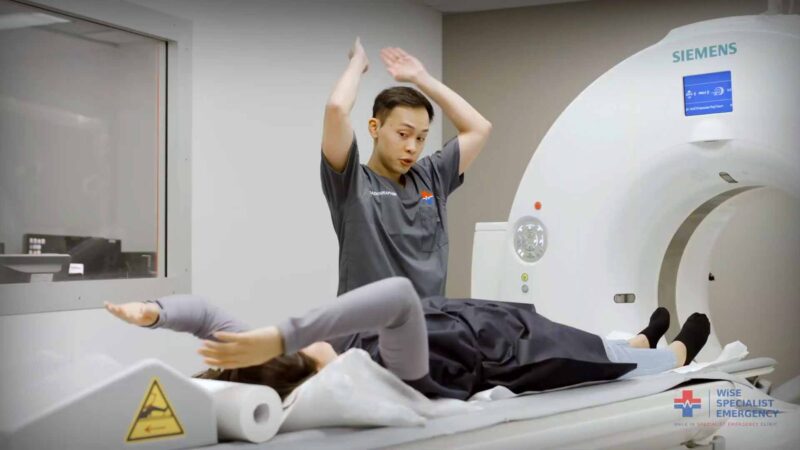
Specialist emergency care clinics in rollout
Unlike Emergency Departments that operate within public hospitals and some private hospitals, a Walk-in Specialist Emergency Clinic is located in the community and designed to provide comprehensive, coordinated acute care – from initial consultation and diagnostic services, to treatment and specialist referral if required – without the patient having to visit a hospital.
Australian Health Journal spoke to the visionary, founder and CEO behind this WiSE Specialist Emergency clinic, Dr Pankaj Arora.
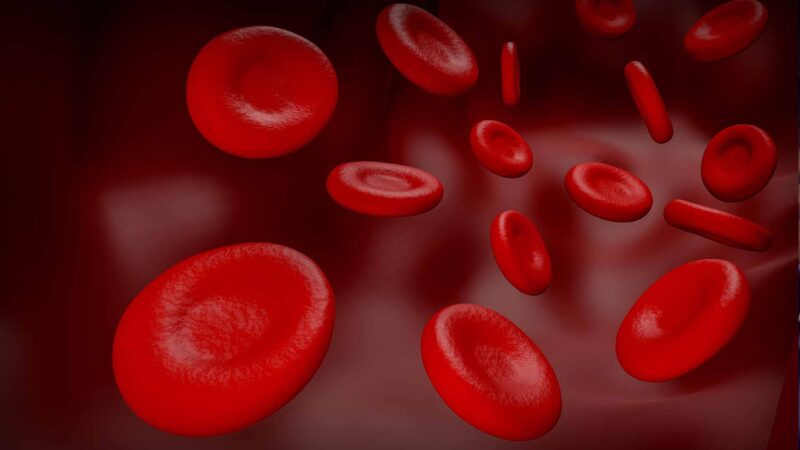
Improved treatment in advanced-stage Hodgkin lymphoma
A global clinical trial successfully reduced toxicity and side effects in advanced stage Hodgkin lymphoma patients by using a modified treatment regimen.
Australian Health Journal spoke with Professor Mark Hertzberg in his role in the ALLG HD10 Clinical Trial and as a former Chair of the Scientific Advisory Committee of the Australasian Leukaemia & Lymphoma Group (ALLG), an organisation involved in improving the treatments and lives of blood cancer patients.

Lens on patient care & allied health workforce across settings
The CEO of Allied Health Professions Australia (AHPA), Bronwyn Morris-Donovan spoke with Australian Health Journal about the following:
The structure and priorities for AHPA
The setting and disciplines in Allied Health
Allied Health representation in the Strengthening Medicare Task Force
Importance of a data strategy and interoperability in delivery of allied health services
Key allied health priorities hopefully addressed in Federal Budget.
In the lead up to the Australian Federal Budget in May 2023, Australian Health Journal reached out to peak health industry bodies to hear about their priorities, either noted in pre-budget submissions lodged with Federal Government in January 2023 or in recent forums such as the Strengthening Medicare Taskforce.

Empowered nurses leading digital health enablement
Nurses have a pivotal role to play in the widespread implementation and adoption of digital health technologies throughout the healthcare sector for the primary purpose of improving safety and quality of patient care.
Australian Health Journal talked to two of Australian top leaders in nursing and in digital health on how the role of nursing is pivotal to the success of digital health in the Australian health system.