
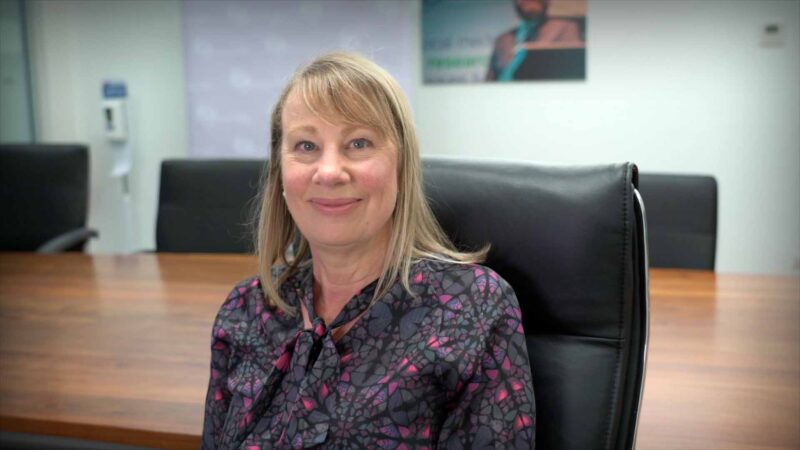
Brain cancer Professor mentors Tasmanian researchers
Rosemary Harrup trained in Victoria and Tasmania in Medical Oncology and Clinical Haematology, completing a dual Fellowship in 2001. She is the current Director of Cancer and Blood Services at the Royal Hobart Hospital (RHH), a role she has held since 2009.
Australian Health Journal spoke to Rosemary about her journey in medicine and specifically her work in Clinical Trials in Brain Cancer and the value she placed on her senior clinicians as mentors and how she now mentors others.

Research finds many practitioners feel underprepared to navigate men’s distress
Movember’s Men in Mind expands nationally to equip mental health professionals with the tools to better connect with men before they reach crisis point. Research conducted by the Men’s Health Research team at Movember has found men account for three in every four suicide deaths in Australia, and more than 50% had sought help in the year before they died.

More health care volunteers needed for Street Side Medics
Identifying a gap in the healthcare of vulnerable people in New South Wales, Dr Daniel Nour founded Street Side Medics in August 2020, a not-for-profit, GP-led mobile medical service for people experiencing homelessness.
Dr. Daniel Nour is a cardiology advanced trainee at Royal North Shore Hospital and the founder of Street Side Medics, a mobile medical service dedicated to providing GP-led care to individuals experiencing homelessness. The initiative started from a customised van, which serves as a medical clinic, visiting food services and shelters across New South Wales and recently Victoria. Street Side Medics offers free medical care without requiring documentation, ID, or a Medicare card.

Allied Health Building Leadership Experience in Tasmania
A notable program run by Hospitals South is the ABLE program, or Allied Health Building Leadership Experience. This program was created to address the challenge of allied health professionals being seen as a single entity, rather than as individual disciplines, when it comes to leadership and management opportunities. The program is delivered entirely internally, with seminars presented by senior staff and mentorship opportunities for participants to become more effective representatives of allied health in meetings and working groups.

From paediatric nursing to leadership & private hospital general management
With over 20 years of experience in the Australian and international healthcare sectors, Georgia Banks is a dedicated and results-driven health professional with a proven track record in clinical, financial, human resources, and strategic management. Passionate about delivering high-quality patient care, Georgia possesses an authentic leadership style that fosters engagement, collaboration, and continuous improvement.
Currently serving as General Manager at Hobart Private Hospital within Healthscope, Georgia has been instrumental in driving operational excellence, enhancing patient experience, and supporting staff development. Her leadership has played a key role in aligning hospital services with strategic priorities while fostering a culture of accountability and innovation.
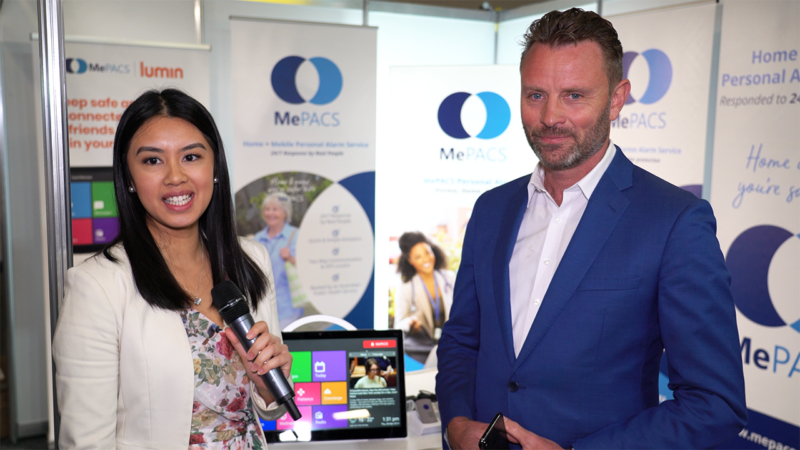
Australian Healthcare Week 2019: Pitch Fest Finalist Lumin
Startup company Lumin was a Pitch Fest Finalist at last week’s Australian Healthcare Week Expo in Sydney. The Lumin platform is used in aged care where loneliness and isolation can be a trigger for stroke and dementia. Lumin helps the connection to care providers, family members and duress monitoring services in a device that has been designed for those with dementia, vision impairment or find complex devices difficult to use.
Managing Director and Co-Founder Paul Wilson spoke at the Mepacs booth with Anne Dao from Australian Health Journal about the market they target and the design of the user experience, including the remote servicing and monitoring. The integration allows the monitoring team in the call centre see and hear the personal raising the alarm. Mepacs is a provider of personal duress alarms and have teamed up with Lumin.