
-
Misinformation impacts routine vaccines
More significant changes in recent years have been health-related misinformation eroding trust in healthcare professionals, leading to people seeking alternative treatments or avoiding medical advice altogether. This can make it more difficult for healthcare professionals to provide effective treatment and care.
Recent vaccines delivered as part of the COVID-19 response, are having a consequential impact on the uptake of routine vaccines.
Australian Health Journal spoke with Dr Paul Griffin, an Infectious Diseases Physician and Microbiologist at Mater Health, and who has been involved in over 150 clinical trials in the field of infectious disease.
Paul talks about the importance of having reputable sources of information that can used to encourage people to understand what is involved in clinical trials and the roles of vaccines.
-
Landmark research projects tackle critical issues in emergency healthcare
For two decades, the demand for emergency department services in Australia has outpaced population growth and wait times have increased. In 2022-2023 more than 8.8 million emergency department presentations occurred nationwide.
While demand is a contributing factor, EDs are currently being impacted by various factors across the entire health system.
The Emergency Medicine Foundation (EMF) is a non-profit organisation funding innovative Australian research that improves the way people are cared for in a medical emergency. The aim of the research is to deliver better and more effective health services to save lives and money.
-
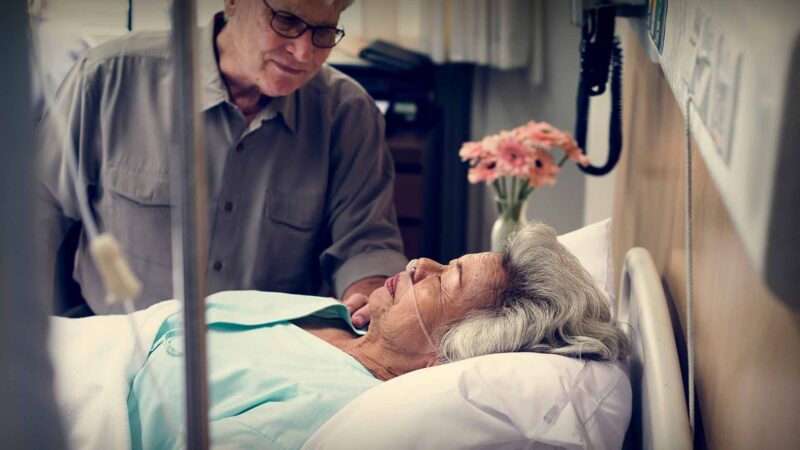
Keeping elderly out of hospital
Pioneer in health care, Geriatrician Professor Susan Kurrle, Curran Professor in Health Care of Older People at the Faculty of Medicine and Health, University of Sydney AO spoke after receiving the Australian Healthcare and Hospitals Association 2022 Sidney Sax medal award.
The Sidney Sax medal is awarded for outstanding contributions to the development and improvement of Australia’s healthcare system.
Post Views:
2,121
From paediatric nursing to leadership & private hospital general management


Categories
- Allied Health 21
- Associations 57
- ARCS Australia 6
- Australasian College of Paramedicine 2
- Australian College of Nursing 13
- Australian Healthcare and Hospitals Association 9
- Australian Primary Health Care Nurses Association 3
- Consumers Health Forum of Australia 3
- Medical Technology Association of Australia 11
- Medicines Australia 2
- Pharmacy Society of Australia 5
- Royal Australian College for General Practitioners 3
- Australian state 35
- Awareness 3
- Bowel and Intestine 3
- Brain and Mind 30
- Cancer 9
- Career 55
- Charities 1
- Chronic disease 3
- Clinical Trials 31
- Conferences 14
- Core muscles 2
- Dental 14
- Dermatology 1
- Ear, nose and throat ENT 2
- Education 19
- Endocrinology 7
- Episodes 6
- Eye Health 5
- FULL CIRCLE DIGITAL HEALTH 1
- Gastroenterology 2
- General Practice 13
- Global Health 1
- Government 30
- Haematology 2
- Health System 114
- Accessibility 5
- Allied Health 3
- Awards and Recognition 6
- Comprehensive Centre 1
- Consumer involvement 3
- Decision Support 1
- Disease Preparedness 1
- Funding 1
- Government 18
- Health Policy 9
- Industry 2
- Job Skills and Training 6
- New Models of Care 14
- Occupational Therapy 5
- Population screening 2
- Preventive Health 4
- Private Health 1
- Public Health 6
- Regulatory and Reimbursement 6
- Scope of Practice 5
- Social Prescribing 1
- Value-Based Health Care 4
- Workforce growth 12
- Workforce Survey 1
- Workforce wellbeing 6
- Heart 7
- Hospitals and Clinics 63
- Anaesthesia 3
- Co-design and adoption 6
- Construction 2
- COVID-19 3
- Emergency Department 7
- Environment / Sustainability 3
- Equipment 2
- Funding and Operating Models 7
- Health Services and Systems 4
- Infection Control 4
- Planning, Culture and Growth 2
- Point of Care 4
- Private Hospitals 1
- Surgery 6
- Workflow 1
- Wound Management 2
- Immunology 2
- Industry 1
- Infectious disease 1
- Innovation 11
- International health and research systems 1
- Lived Experience 2
- Lung 4
- Markets 1
- Media Partners 3
- Medical Devices 19
- Medical Imaging 7
- Medical Management 1
- Medical Research 27
- Medical Technology 6
- Medicine 12
- Microbiota 1
- Musculoskeletal 6
- New Content 331
- Nursing 36
- Nutrition 3
- Oncology 6
- Op-Ed 3
- Oral Health 4
- Paramedics 5
- Patients 17
- Pharmacy 13
- Philanthropy, Foundations and Charity 2
- Population 80
- Aboriginal 3
- Cosmetic surgery 1
- Defence 2
- Disability 3
- Diversity, inclusion and equity 3
- Frail, Homebound and Bedridden Population 4
- Homeless 1
- Marginalised 1
- Men's Health 1
- Middle-aged 2
- New Parents 1
- Newborn / Neonatal 1
- Paediatric 13
- Palliative 2
- Rural and Remote 8
- Seniors and Aged Care 10
- Veterans 1
- Women and child birth 7
- Women's Health 14
- Youth 2
- Primary Health 16
- Region 1
- Reproduction, pregnancy & child birth 1
- Research 40
- Research to Practice 1
- Space Health & Medicine 2
- Startups 3
- Technology 46
- Training and Career 33
- Workforce sustainability 1