

Bringing the circular healthcare economy to life
Neroli Manning is the Managing Director for Cardinal Health Australia & New Zealand (ANZ). With over 30 years of experience in the healthcare industry, Neroli is a transformative leader known for her people-first, customer-centric leadership style.

Closing the diagnostic gap in ovarian cancer detection
After 15 years in academia, Associate Professor Michelle Hill founded ProSeek bio to address one of the most urgent challenges in women’s health: closing the diagnostic gap in ovarian cancer.
For too long, women suspected of ovarian cancer have faced an impossible choice — undergo invasive surgery for diagnosis, only for up to 80% of those procedures to reveal no cancer, or delay intervention and risk diagnosis at a later stage when treatment options are fewer and survival outcomes are significantly worse.

The focus on reducing instances of birth-trauma through trauma-informed care
Leading into Birth Trauma Week 2026, in an interview with Australian Health Journal, Dr Nisha Khot, President of the Royal Australian and New Zealand College of Obstetricians and Gynaecologists (RANZCOG), highlighted the growing focus on reducing birth trauma through trauma-informed, multidisciplinary care.
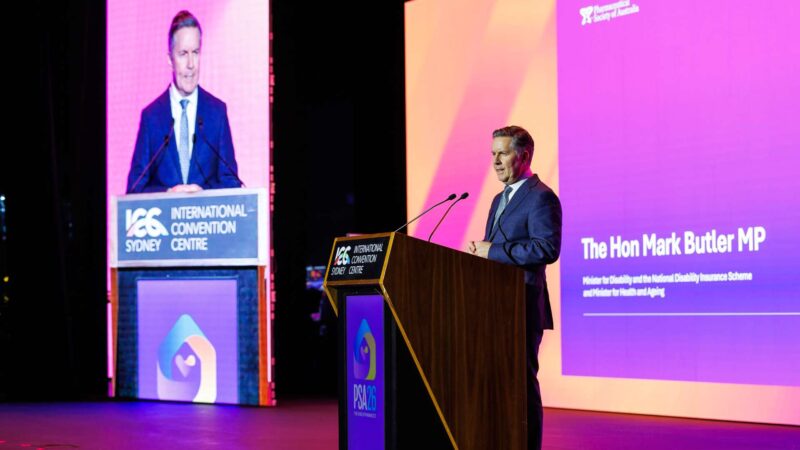
Greater flexibility in medicine safety programs delivered by pharmacists
Addressing delegates at PSA26, the Pharmaceutical Society of Australia’s (PSA) yearly conference, the Minister for Health and Ageing, the Hon. Mark Butler MP, announced negotiations are progressing on the First Pharmacy Programs Agreement (1PPA), and that from 1 November, follow-up services for Home Medicines Reviews (HMRs) and Residential Medication Management Reviews (RMMRs) programs will be able to be delivered via telehealth.
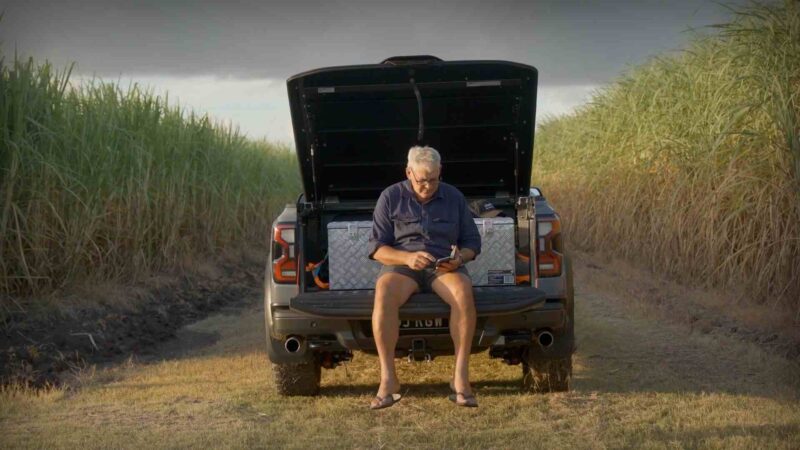
Funding roadblocks creating digital health inequity
Helen Souris, CEO and Executive Director of Cardihab and Chair of the Digital Health Advisory Group at the Medical Technology Association of Australia (MTAA), highlights the significant gap in cardiac rehabilitation access across Australia. Despite the proven benefits of cardiac rehabilitation in improving survival, quality of life, and reducing hospital admissions, around 80% of eligible patients do not receive this care, with access rates even lower in regional and rural communities.

Exercise Physiologists flex and grow at national conference in Adelaide
Exercise & Sports Science Australia (ESSA) this week in Adelaide convened the Activate Conference billed as “where science meets inspiration”, bringing together the latest research, breakthrough ideas and real-world applications from across exercise and sports science.