
MedTech Industry invited to NSW Parliament House
The inaugural NSW Parliament MedTech Showcase, hosted by The Hon Courtney Houssos MLC has highlighted the medical technology sector’s contribution to patient care, local manufacturing, jobs and the broader economy.
Speaking with the Australian Health Journal, Justin Foster, Associate Director of Advocacy and Government Relations at the Medical Technology Association of Australia (MTAA), said the event provided an important opportunity for industry and government to work together on shared priorities.
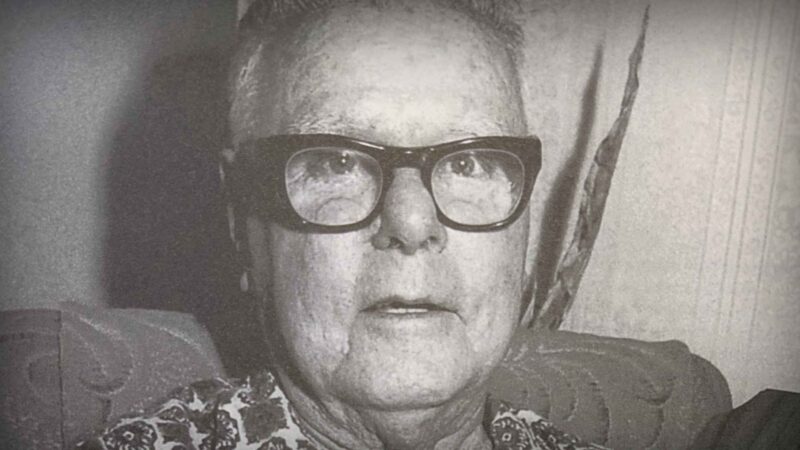
30 years on, Viertel Foundation legacy continues
One of Australia’s largest charitable foundations, the Sylvia and Charles Viertel Charitable Foundation, is celebrating three decades of transforming Australian healthcare – with more than $90 million invested in medical research and a legacy of breakthroughs that are saving lives. Viertel Fellowships support some of Australia’s best and brightest researchers and clinicians, with 70 Fellowships awarded to date.
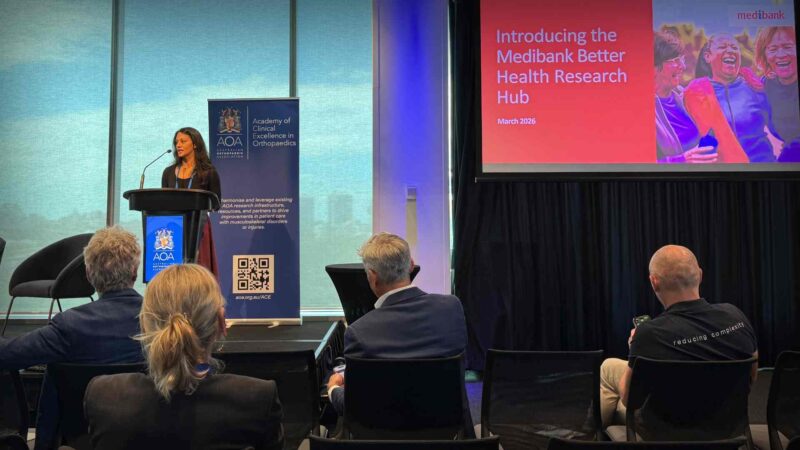
Retaining a clinical perspective in macro level changes
Dr Shona Sundaraj BAppSc (Phty), MBBS, FRACGP, MBA is Group Medical Director at Medibank, bringing over two decades of clinical and systems experience to strategy, research and stakeholder engagement. She leads the Medibank Better Health Research Hub and Chairs the Health Research Governance Committee, guiding stakeholder engagement, competitive grant rounds and partnerships with universities, translational research centres and peak bodies to support evidence based improvement in care.

HEALTH CARE BRIEF: Myopia progression in children
Myopia progression in children – Incidence rates, prevalence, risks, symptoms and treatment options
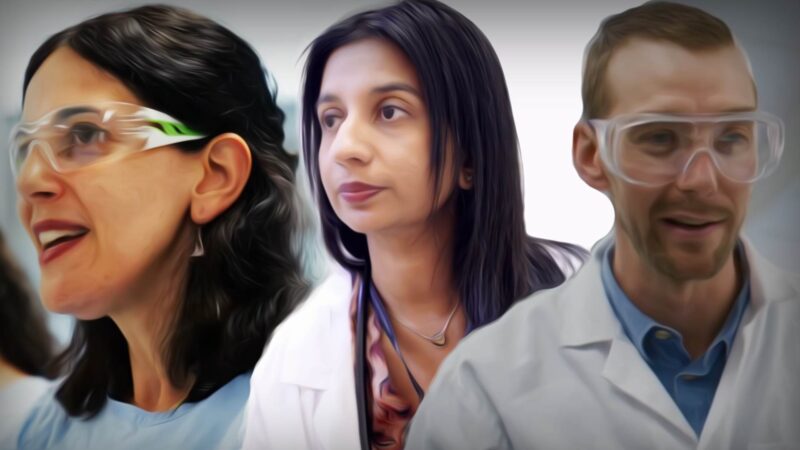
Significant funding announced for NSW biomedical researchers
The Snow Medical Research Foundation (Snow Medical) has announced a new $24 million investment in three outstanding Australian biomedical researchers through its prestigious Snow Fellowships.
These Fellows will tackle major global health challenges spanning autoimmune disease, neurological disorders, and genetic disease. Their work addresses conditions that disproportionately affect vulnerable and underserved populations, including First Nations communities, while advancing precision medicine and translational care. Collectively, their research aims to deliver safer vaccines, better diagnostics, and more equitable genomic and neurological healthcare.

Gaining a better understanding of perimenopause and menopause
Nearly half of women seeking help for menopause symptoms are already experiencing clinically significant distress by the time they ask for support, according to a recent national benchmark report released by Metluma.
The 2026 Australian Menopause Experience Report, based on insights from 1,468 women using Metluma’s UMA40 assessment tool, found 43% triggered at least one clinical red flag at baseline (referral to a doctor within 24-48 hours), with more than one in five presenting with multiple red flags linked to more complex symptom burden.