

Health Minister appoints Chair to National One Stop Shop Program
The Australian Government has appointed Emeritus Professor Ian Chubb AC, FAA FTSE to lead key reforms as Chair of the Inter-Governmental Policy Reform Group (IGPRG) for health and medical research, including clinical trials.
Minister for Health and Aged Care, The Hon Mark Butler MP on the selection and appointment said, “Professor Chubb has dedicated his career to improving health and medical research and education in this county and I am pleased he has agreed to share his knowledge and experience through the IGPRG.

Unheard and marginalised
Earlier in 2021, a preliminary community research report was released by the Caring Futures Institute at Flinders University. The report was a co-design and co-research investigation by academics and health consumers, of the social and health exclusion factors and lived experiences of Frail and Homebound and Bedbound People (FHBP) in Australia.
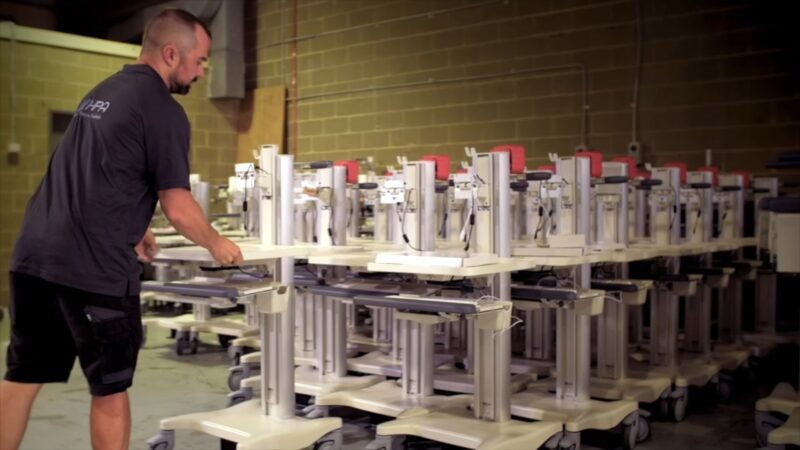
Founder makes mobility reality
Shawn Wigham as Managing Director of Hospital Products Australia (HPA), runs a successful business providing equipment to Australia’s health care teams in aged care, hospitals and day-hospital procedure centres.
But what most may not be aware of, is his rapid growth since starting the business in 2013 having just been in health care a few years earlier. Being part of a 2nd generation health care family, Shawn learnt from his father on site and at trade show visits overseas. Prior to HPA, he spent 2 years working in fit-outs of operating theatres, neo-natal and general population ICU, throughout being more fascinated with what he saw.
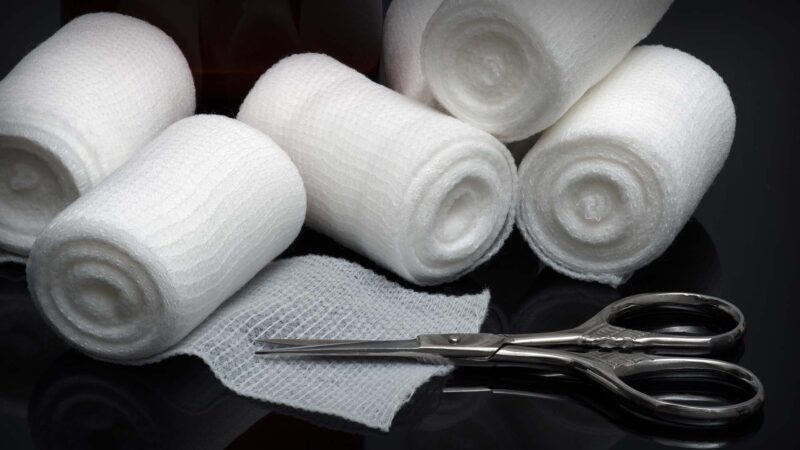
Addressing Wound Management
The cost of chronic wounds in Australia is estimated to be $3 Billion per year, impacting 420,000 Australians. Not only is this a national economic concern, but more importantly, is the suffering the person may be going through.
Australian Health Journal met with Hayley Ryan, Board Director and Chair at Wounds Australia and Director at WoundRescue to hear her work in chronic wound management, palliative wounds and pressure injury prevention to comfort those living with a wound.

Cardinal Health brings device reprocessing plant to Australia
Cardinal Health is global medical products manufacturer and leading provider of single-use device reprocessing services in the U.S. In Australia and New Zealand, as one of the largest suppliers of medical devices, announced on 23 May 2024 that it will be opening a single-use medical device reprocessing facility in Australia – its first reprocessing facility outside the United States.
On 18 March 2025 at the Health Innovation Living Lab at the John Hunter Hospital, a further announcement was made, on the chosen single-use medical device remanufacturing facility in Beresfield, Newcastle, set to commence operation late 2025, supported by the NSW Department of Primary Industries and Regional Development.

Enriching experiences in nursing mentorship
Mentoring in nursing is crucial for the development of nurses and the advancement of the nursing profession. It provides a supportive environment for personal and professional growth, knowledge transfer, and leadership development.
Australian Health Journal met with two nurses both working in Queensland, one the mentor, the other, the mentee. Both get to appreciate the experiences mentorship gives them.