
-
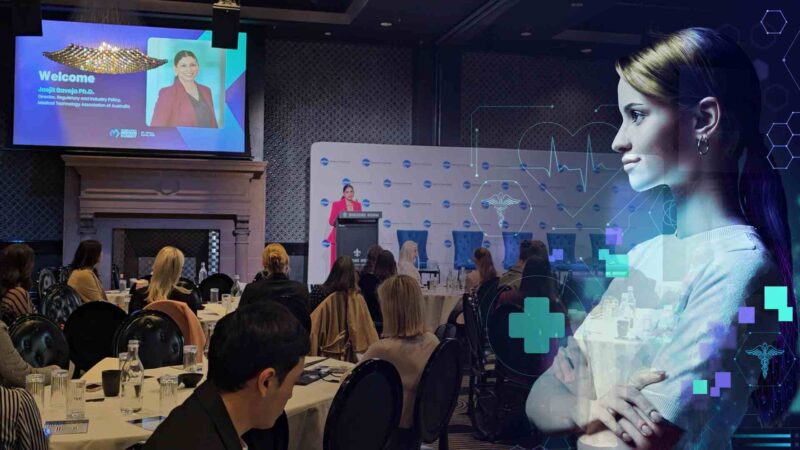
Breaking silos to transform women’s health through MedTech
In an interview with Australian Health Journal, Jasjit Baveja, Director of Regulatory and Industry Policy at the Medical Technology Association of Australia (MTAA), highlighted the growing importance of medical technology in addressing longstanding inequities in women’s health.
Drawing on the outcomes of the inaugural MTAA Women’s Health MedTech Summit, she explained how the event brought together clinicians, researchers, industry leaders, regulators, investors, government representatives and patient advocates to tackle complex challenges through a collaborative approach.
-
Calls for National Social Prescribing Scheme
The Royal Australian College of General Practitioners (RACGP), Consumers Health Forum of Australia (CHF) and Mental Health Australia are urging the government to implement a national social prescribing scheme to tackle Australia’s mental health and wellbeing crisis.
Mental ill health is a growing problem in Australia and has been made worse by the COVID-19 pandemic. Since 2017, GPs across Australia have rated mental health as the most common presentation they see as part of the RACGP’s annual Health of the Nation survey. Approximately 20% of patients consult their GP for what are primarily social problems.
-
WA and QLD RSV Immunisation programs show drops in infant hospitalisations
RSV is the number one cause of hospitalisation of Australian children under five years of age, according to the Immunisation Foundation of Australia (IFA). There are mounting concerns that Australians at greatest risk of severe Respiratory Syncytial Virus, or RSV will miss out on protection against the lung infection, with the Federal Government failing to commit to a national RSV immunisation program.
Post Views:
3,409
Addressing Wound Management


Categories
- Allied Health 21
- Associations 57
- ARCS Australia 6
- Australasian College of Paramedicine 2
- Australian College of Nursing 13
- Australian Healthcare and Hospitals Association 9
- Australian Primary Health Care Nurses Association 3
- Consumers Health Forum of Australia 3
- Medical Technology Association of Australia 11
- Medicines Australia 2
- Pharmacy Society of Australia 5
- Royal Australian College for General Practitioners 3
- Australian state 35
- Awareness 3
- Bowel and Intestine 3
- Brain and Mind 30
- Cancer 9
- Career 55
- Charities 1
- Chronic disease 3
- Clinical Trials 31
- Conferences 14
- Core muscles 2
- Dental 14
- Dermatology 1
- Ear, nose and throat ENT 2
- Education 19
- Endocrinology 7
- Episodes 6
- Eye Health 5
- FULL CIRCLE DIGITAL HEALTH 1
- Gastroenterology 2
- General Practice 13
- Global Health 1
- Government 30
- Haematology 2
- Health System 114
- Accessibility 5
- Allied Health 3
- Awards and Recognition 6
- Comprehensive Centre 1
- Consumer involvement 3
- Decision Support 1
- Disease Preparedness 1
- Funding 1
- Government 18
- Health Policy 9
- Industry 2
- Job Skills and Training 6
- New Models of Care 14
- Occupational Therapy 5
- Population screening 2
- Preventive Health 4
- Private Health 1
- Public Health 6
- Regulatory and Reimbursement 6
- Scope of Practice 5
- Social Prescribing 1
- Value-Based Health Care 4
- Workforce growth 12
- Workforce Survey 1
- Workforce wellbeing 6
- Heart 7
- Hospitals and Clinics 63
- Anaesthesia 3
- Co-design and adoption 6
- Construction 2
- COVID-19 3
- Emergency Department 7
- Environment / Sustainability 3
- Equipment 2
- Funding and Operating Models 7
- Health Services and Systems 4
- Infection Control 4
- Planning, Culture and Growth 2
- Point of Care 4
- Private Hospitals 1
- Surgery 6
- Workflow 1
- Wound Management 2
- Immunology 2
- Industry 1
- Infectious disease 1
- Innovation 11
- International health and research systems 1
- Lived Experience 2
- Lung 4
- Markets 1
- Media Partners 3
- Medical Devices 19
- Medical Imaging 7
- Medical Management 1
- Medical Research 27
- Medical Technology 6
- Medicine 12
- Microbiota 1
- Musculoskeletal 6
- New Content 331
- Nursing 36
- Nutrition 3
- Oncology 6
- Op-Ed 3
- Oral Health 4
- Paramedics 5
- Patients 17
- Pharmacy 13
- Philanthropy, Foundations and Charity 2
- Population 80
- Aboriginal 3
- Cosmetic surgery 1
- Defence 2
- Disability 3
- Diversity, inclusion and equity 3
- Frail, Homebound and Bedridden Population 4
- Homeless 1
- Marginalised 1
- Men's Health 1
- Middle-aged 2
- New Parents 1
- Newborn / Neonatal 1
- Paediatric 13
- Palliative 2
- Rural and Remote 8
- Seniors and Aged Care 10
- Veterans 1
- Women and child birth 7
- Women's Health 14
- Youth 2
- Primary Health 16
- Region 1
- Reproduction, pregnancy & child birth 1
- Research 40
- Research to Practice 1
- Space Health & Medicine 2
- Startups 3
- Technology 46
- Training and Career 33
- Workforce sustainability 1