
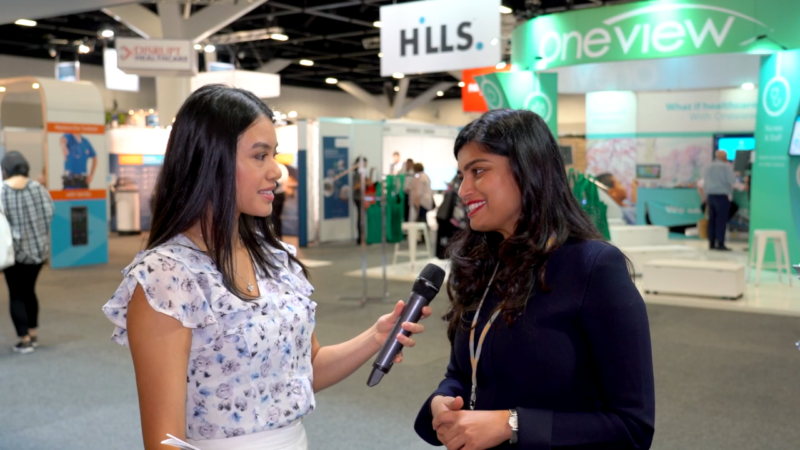
Dr Anjali Jaiprakash, Robobiologist from Queensland University of Technology
Dr Anjali Jaiprakash is a robobiologist working at the intersection of medicine, engineering and design, with a transdisciplinary approach to develop medical devices that translate robotic vision into affordable systems that can be used to improve healthcare outcomes. Anjali has experience in the fields of medical robotics, medical device, orthopaedics, trauma, bone and cartilage biology. She spoke with Anne Dao following her talk “The Robot Doctor Will See you Now” at Australian Healthcare Week 2019.

Medicinal cannabis in Australia Update
According to the Australian Journal of General Practice, published by the Royal Australian College of General Practitioners, more than 130,000 medicinal cannabis approvals have been issued in Australia to date, mostly by general practitioners, with approximately 65% of these to treat chronic non-cancer pain. Despite robust supportive data from animal models, current clinical trial evidence for THC and CBD efficacy in chronic pain is incomplete. In their prescribing decisions, doctors must balance patient demand and curiosity with caution regarding potential risks and limited efficacy (Source: https://www1.racgp.org.au/ajgp/2021/october/medicinal-cannabis)
Australian Health Journal met with 3 speakers at the recent @arcsaustralia ARCS22 Conference providing an update on medicinal cannabis. The discussion with the speakers now centres on affordability and access.
Sharing the same goals in value-based procurement
Value-based procurement (VBP) is a journey, not a sprint. It’s about putting the patient at the centre of quality affordable healthcare through changes in procurement practices for medical technologies. Patient outcomes drive value and sustainability, not just price. The bigger picture indicates that VBP will create system cost saving through benefitting patients, rather than trying to attain the reverse – a win-win outcome.
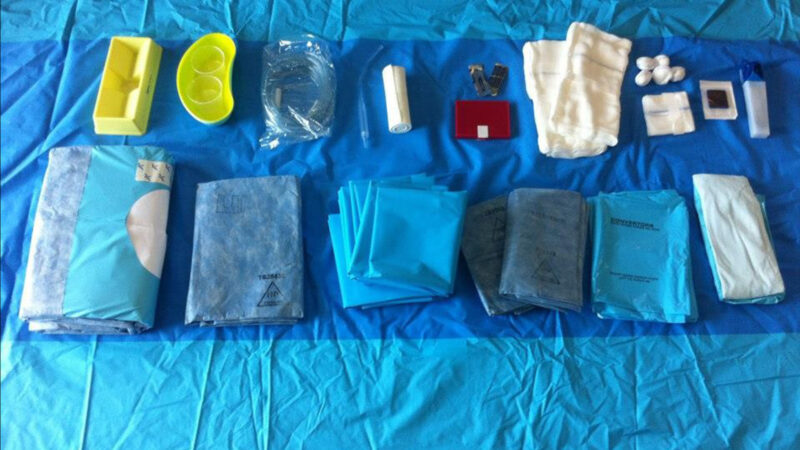
Nurse recognised for reducing hospital waste
A nurse who started a charity from a granny flat in her parent’s backyard to reduce hospital waste has taken out one of the Australian nursing profession’s most prestigious honours.
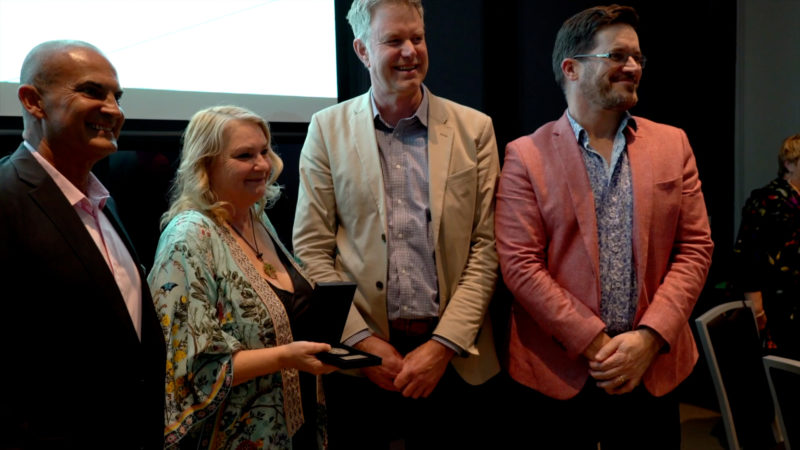
AHHA Sidney Sax Medal 2019 Awarded to Vicki Wade
AHHA Sidney Sax Medal 2019 awarded to Vicki Wade

New option for management of high-risk soft tissue sarcoma of the limb
SARC032 is the first completed randomised clinical trial of its kind and has demonstrated compelling evidence to integrate immunotherapy, with the standard treatment regimen of radiotherapy and surgery for patients with grade 2 or 3, stage III soft tissue sarcoma of the limb.