Dr Anjali Jaiprakash is a robobiologist working at the intersection of medicine, engineering and design, with a transdisciplinary approach to develop medical devices that translate robotic vision into affordable systems that can be used to improve healthcare outcomes. Anjali has experience in the fields of medical robotics, medical device, orthopaedics, trauma, bone and cartilage biology. She spoke with Anne Dao following her talk “The Robot Doctor Will See you Now” at Australian Healthcare Week 2019.
-
Global collaboration in pulmonary fibrosis research
Pulmonary fibrosis is a lung disease that occurs when lung tissue becomes damaged and scarred. The debilitating and fatal disease ended the life of an Australian man 8 years ago.
His son led philanthropic efforts to establish the connection between 2 Australian organisations; Lung Foundation Australia and Centre for Research Excellence in Pulmonary Fibrosis and the US based, Three Lakes Foundation. The three organisations recently announced a collaboration to create a global network for PF research.
-
Confronting picture of growing women’s health crisis in uterine cancers
Uterine cancers have become Australia’s fastest-growing women’s cancer, with incidence doubling over the past 25 years and projected to continue to surge. Without immediate action, more than 44,000 women are expected to be diagnosed by 2035, and 8,900 will lose their lives to the disease.
Released November 2025, Australia’s first State of the Nation: Uterine Cancers in Australia 2025 report by the Australia New Zealand Gynaecological Oncology Group (ANZGOG), reveals a confronting picture of a growing women’s health crisis that has gone largely unseen and one that now requires immediate, coordinated national action.
-
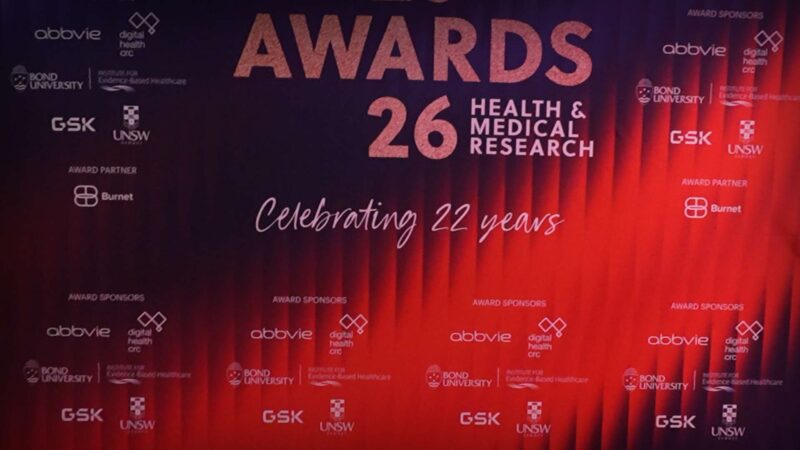
Research Australia Awards celebrate researchers in life-changing science and discovery
For more than two decades, the Research Australia Health & Medical Research Awards have recognised the individuals and teams transforming health outcomes across the country. Now in their 22nd year, these prestigious awards showcase the depth and breadth of Australia’s research and innovation community — from discovery and translation through to commercialisation.