
-
Family biz succeeds in vaccine approval & distribution
It’s been 10 years since Jenny and Karl Herz started in business. Over the past 10 years they’ve launched Biointelect and Biocelect businesses to help secure approval and distribution for new medicines into Australia.
In this Australian Health Journal interview, Jenny and Karl talk about the journey the husband and wife team took to get the Novavax COVID-19 vaccine (Nuvaxovid) approved and distributed in Australia. The journey didn’t just include talented and diverse skilled staff but also their children working in both organisations.
-
Elevating Professional Standards in the Medtech and Pharmaceutical Sector
ARCS Australia Ltd, the peak body representing professionals in the MedTech and Pharmaceutical sector, this week announced a series of significant changes at its annual conference.
Dr Tim Boyle, CEO of ARCS Australia Ltd speaking to Australian Health Journal says, “These initiatives are central to strategy to build professionalism within the sector, increase capability and enhance the professional standing of its members.”
-
Investigating use of dietary supplements for osteoarthritis
Osteoarthritis is a leading cause of disability affecting over 2 million Australians, according to Australian Institute of Health and Welfare report on Chronic musculoskeletal conditions (2024) and 595 million people globally, according to BD 2021 Osteoarthritis Collaborators. Global, regional, and national burden of osteoarthritis, 1990–2020. It represents a significant public health burden that diminishes quality of life among ageing populations.
Post Views:
277
Government Health Policy Health System Industry Medical Technology Medical Technology Association of Australia New Content
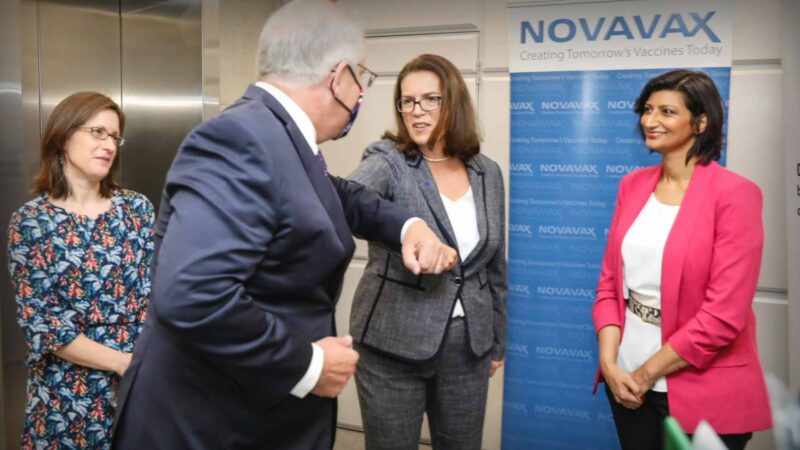
MedTech Industry invited to NSW Parliament House


Categories
- Allied Health 21
- Associations 57
- ARCS Australia 6
- Australasian College of Paramedicine 2
- Australian College of Nursing 13
- Australian Healthcare and Hospitals Association 9
- Australian Primary Health Care Nurses Association 3
- Consumers Health Forum of Australia 3
- Medical Technology Association of Australia 11
- Medicines Australia 2
- Pharmacy Society of Australia 5
- Royal Australian College for General Practitioners 3
- Australian state 35
- Awareness 3
- Bowel and Intestine 3
- Brain and Mind 29
- Cancer 9
- Career 54
- Charities 1
- Chronic disease 3
- Clinical Trials 31
- Conferences 14
- Core muscles 2
- Dental 14
- Ear, nose and throat ENT 2
- Education 18
- Endocrinology 7
- Episodes 6
- Eye Health 5
- FULL CIRCLE DIGITAL HEALTH 1
- Gastroenterology 2
- General Practice 13
- Global Health 1
- Government 30
- Haematology 2
- Health System 113
- Accessibility 5
- Allied Health 3
- Awards and Recognition 5
- Comprehensive Centre 1
- Consumer involvement 3
- Decision Support 1
- Disease Preparedness 1
- Funding 1
- Government 18
- Health Policy 9
- Industry 2
- Job Skills and Training 6
- New Models of Care 14
- Occupational Therapy 5
- Population screening 2
- Preventive Health 4
- Private Health 1
- Public Health 6
- Regulatory and Reimbursement 6
- Scope of Practice 5
- Social Prescribing 1
- Value-Based Health Care 4
- Workforce growth 12
- Workforce Survey 1
- Workforce wellbeing 6
- Heart 7
- Hospitals and Clinics 63
- Anaesthesia 3
- Co-design and adoption 6
- Construction 2
- COVID-19 3
- Emergency Department 7
- Environment / Sustainability 3
- Equipment 2
- Funding and Operating Models 7
- Health Services and Systems 4
- Infection Control 4
- Planning, Culture and Growth 2
- Point of Care 4
- Private Hospitals 1
- Surgery 6
- Workflow 1
- Wound Management 2
- Immunology 2
- Industry 1
- Infectious disease 1
- Innovation 11
- International health and research systems 1
- Lived Experience 2
- Lung 4
- Markets 1
- Media Partners 3
- Medical Devices 19
- Medical Imaging 7
- Medical Management 1
- Medical Research 26
- Medical Technology 5
- Medicine 12
- Microbiota 1
- Musculoskeletal 6
- New Content 328
- Nursing 36
- Nutrition 3
- Oncology 6
- Op-Ed 3
- Oral Health 4
- Paramedics 5
- Patients 17
- Pharmacy 13
- Philanthropy, Foundations and Charity 2
- Population 80
- Aboriginal 3
- Cosmetic surgery 1
- Defence 2
- Disability 3
- Diversity, inclusion and equity 3
- Frail, Homebound and Bedridden Population 4
- Homeless 1
- Marginalised 1
- Men's Health 1
- Middle-aged 2
- New Parents 1
- Newborn / Neonatal 1
- Paediatric 13
- Palliative 2
- Rural and Remote 8
- Seniors and Aged Care 10
- Veterans 1
- Women and child birth 7
- Women's Health 14
- Youth 2
- Primary Health 16
- Region 1
- Reproduction, pregnancy & child birth 1
- Research 39
- Research to Practice 1
- Space Health & Medicine 2
- Startups 3
- Technology 46
- Training and Career 32
- Workforce sustainability 1