

Physiotherapist-led care for musculoskeletal conditions in the emergency department
RESHAP-ED included 1,475 patients across five EDs in NSW. Patients received care from a physiotherapist or conventional doctor- or nurse-led care. Patients treated by physiotherapists spent an average of 2.4 hours in the ED compared with 3.4 hours for those receiving standard care. They were seen and treated sooner, were three times more likely to receive care within recommended triage timeframes, and 90% went home within four hours. Patients were more satisfied with their care, while pain levels, quality of life and safety outcomes were similar between both groups. The model also reduced healthcare costs by $35 per patient.

Rapid trend shift in radiology technology and accessibility
Dr Mansoor Parker obtained his medical degree from the University of Tasmania. He then completed his specialist radiology training at Nepean Hospital, Sydney with subspecialty interests in Interventional Radiology and Pain Management, Musculoskeletal, Cardiac and Abdominal Imaging. Dr Parker is a qualified specialist since 2005 and is a member of the Royal Australian and New Zealand College of Radiologists and the exclusive Australasian Musculoskeletal Imaging Group (AMSIG) as well as the Interventional Radiology Society of Australasia (IRSA).

Improvements in dental literacy and greater clinical insights through digital technology
Dr. Kenneth Soh is a General Dentist based in Kellyville, New South Wales, a suburb located in northwestern Sydney. Originally from Melbourne, he studied Bachelor of Dental Science (BDSc) at Melbourne University and graduated in 2003. After working for a year in the Mornington Peninsula, Dr. Soh moved to New South Wales, initially thinking it would be temporary; however, he has been there for 19 years. While he has considered specialising, he finds joy in all aspects of dentistry.

Adjunct Professor Alanna Geary talks Nursing Leadership
Adjunct Professor Alanna Geary FACN,
Chief Nursing & Midwifery Officer,
Metro North Hospital Hospital & Health Service, Queensland
talks Nursing Leadership
Caring for community
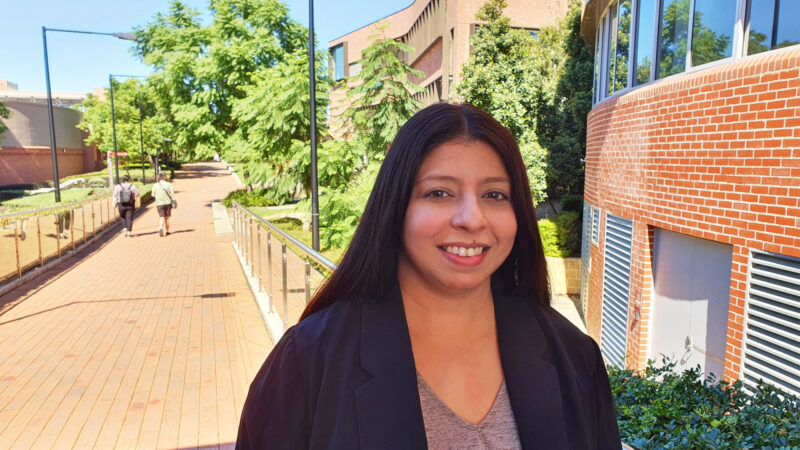
With a passion for helping people, Carina Fernandes in her final year at Western Sydney University received accolades as a nursing student. Now a recent graduate, having completed her Bachelor of Nursing (Advanced) degree, and recognised as an Emerging Nurse Leader 2021 by the Australian College of Nursing, Carina has her sights set on her new role in healthcare, at the same time keeping sustainability top of mind.
Strategic research investments for health and prosperity
The CEO of Research Australia, Nadia Levin spoke with Australian Health Journal about the following:
– Current medical research and development landscape in Australia
– Investment required to support the Health and Medical Research and Innovation pipeline
– The National Medical Products Industry Plan and its impact on the Australian economy
– The Health and Medical Research Workforce
In the lead up to the Australian Federal Budget in May 2023, Australian Health Journal reached out to peak health industry bodies to hear about their priorities, either noted in pre-budget submissions lodged with Federal Government in January 2023 or in recent forums such as the Strengthening Medicare Taskforce.