

Lived experience & human-centred design in healthcare
Recognised as one of the Top 100 Women of Influence by The Australian Financial Review, Melanie Tran is a visionary leader whose work lies at the intersection of design, technology, health, disability, and education. With a focus on human-centred design, digital strategy, and service design, she leads transformative initiatives as a Manager in Design, Digital and Data at Nous Group, a global consulting firm. Her work is driven by a deep passion for using creativity and technology to solve complex social challenges.

Understanding extracellular vesicles in cancer therapy research
Joy Wolfram is an Associate Professor at the Australian Institute for Bioengineering and Nanotechnology and the School of Chemical Engineering at the University of Queensland in Australia. Originally from Finland, she earned both her bachelor’s and master’s degrees in biology before transitioning to engineering with a PhD in nanotechnology completed in China. Wolfram has over a decade of experience working in hospitals in the United States before joining the University of Queensland.
Her research focuses on extracellular vesicles, which are crucial for cell communication both locally within tissues and over longer distances between organs. Her lab studies the roles of these vesicles in both health and disease, particularly in cancer. They investigate the harmful messages released by cancer cells that aid in tumour growth, specifically in breast cancer, while also exploring how to harness beneficial extracellular vesicles from healthy individuals as potential therapeutics.
Making clinical trials participant friendly
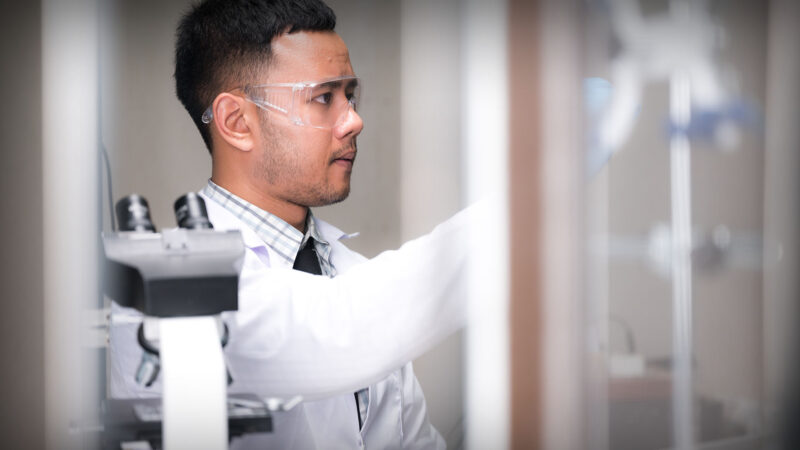
Clinical trials are essential in developing new, improved, and more effective treatments and interventions. Without trials, researchers and professionals in the field cannot properly determine whether these new treatments and interventions are safe and effective.
The Clinials platform is geared towards patient centric trials and reducing site burden. The aim is to accelerate lifesaving medicines coming to market by connecting participants and researchers. The platform allows participants to come to researchers with their eligibility in hand among other capabilities.
Cardiovascular Disease Risk Guidance and Calculator get long overdue update
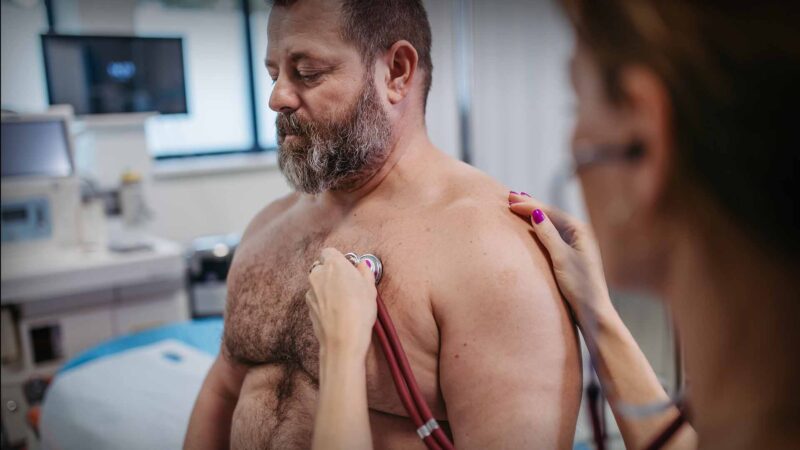
Cardiovascular disease (CVD) is responsible for significant morbidity and premature mortality in Australia. Ischaemic heart disease was the leading cause of death in 2020 and cerebrovascular disease was the third most common cause of death.
As the first major update to Australian CVD risk assessment guidelines in over a decade, the 2023 Australian Guideline for assessing and managing cardiovascular disease risk and associated Aus CVD Risk Calculator reflect the latest evidence on assessing, communicating, and managing CVD risk. Developed using Australian-specific data and the latest evidence, it supersedes the 2012 Guidelines for the management of absolute cardiovascular disease risk.

Impact of genetic pathologist role across medicine
Dr Marina Berbic is a genetic pathologist and the Deputy Director of Genetics at Douglass Hanly Moir Pathology – a laboratory based in Sydney and part of Sonic Healthcare. The genetics department at Douglass Hanly Moir offers a wider array of genetic tests across many domains, and the medical leadership model ensures the highest possible standard of care and commitment to patient safety.
Challenge advances health technologies and medical devices in the MedTech sector
In July IDE Group launched the 2027 Building Better Futures for Health (BBFH) Challenge, a program supporting early-stage MedTech innovators move from concept to commercialisation. Delivered with Medical Technology Association of Australia’s (MTAA) MedTech Compass, the 2027 program marks 10 years of impact.
Now in its 11th year, BBFH supports researchers, clinicians, entrepreneurs and early-stage ventures tackling urgent healthcare needs. Selected teams will pitch to industry experts, gaining feedback to strengthen commercial potential.