

Population screening

Addressing Australia’s Bowel Cancer Screening Participation Gap

Improving participation in Australia’s National Bowel Cancer Screening Program (NBCSP) remains an important public health priority, with many eligible Australians failing to return their screening kits.

In an interview with Australian Health Journal, Associate Professor Tarik Sammour, Colorectal Surgeon at the Royal Adelaide Hospital and Associate Professor of Surgery at Adelaide University, highlighted the need to make screening easier to understand and encourage greater participation.
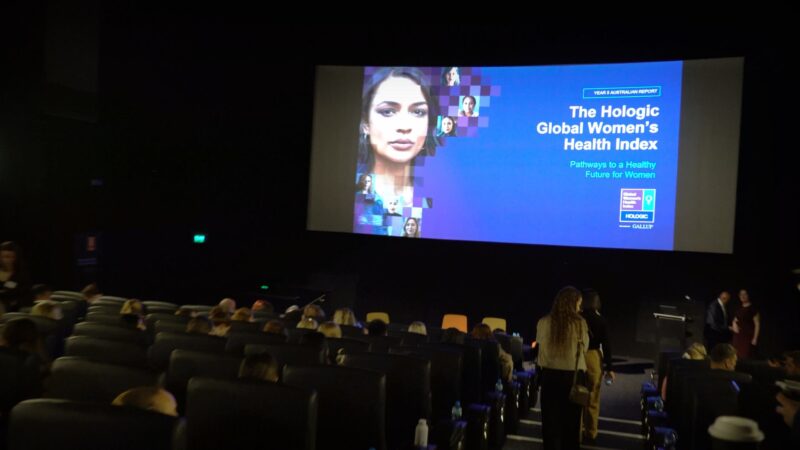
Global Women’s Health report identifies concerning drop in Australian breast cancer screening

The Hologic Global Women’s Health Index is one of the largest global reports dedicated exclusively to women’s health and wellbeing. Now in its fifth year, the Index tracks women’s health across five dimensions , Preventive Care, Emotional Health, Opinions of Health and Safety, Basic Needs and Individual Health – across 144 countries and territories, covering 97 per cent of the global adult population.

The role of genomic screening in transforming public health

Dr Jane Tiller is a lawyer, genetic counsellor and public health researcher. She is Ethical, Legal & Social Adviser in Public Health Genomics at Monash University, and a National Health and Medical Research Council Investigator Grant holder. Jane is passionate about the use of genomics to prevent disease, and in delivering equitable access to preventive genetic information at the population level. She is co-lead of DNA Screen, a world-first study piloting the offer of preventive DNA screening to the Australian adult population. DNA Screen has tested over 10,000 young people for genetic high risk of medically actionable conditions such as cancer and heart disease, finding about 2% of participants had genetic high risk. Jane is leading efforts to secure Commonwealth Government funding to expand the DNA Screen program, with the eventual goal of the development of a public health population screening program for disease prevention based on high genetic risk.

Scroll to top