
-
LIVED EXPERIENCE: Complex Regional Pain Syndrome (CRPS)
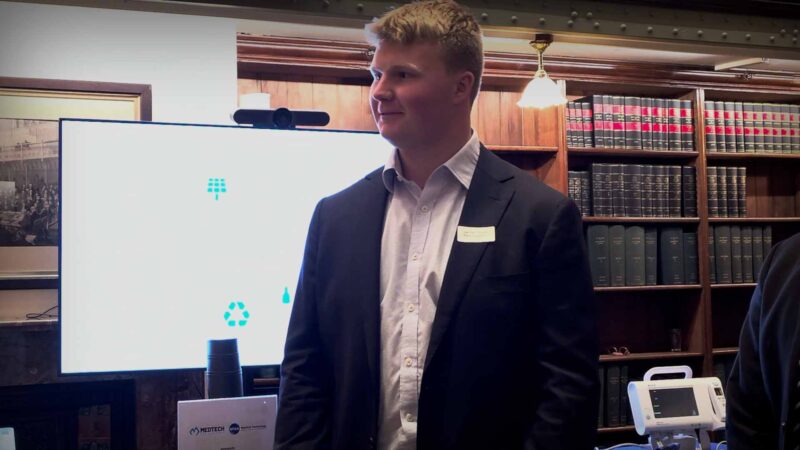
Lachlan Thorpe has shared his experience of living with complex regional pain syndrome (CRPS), highlighting the profound impact the condition had on his life and the difference medical technology has made to his recovery.
In an interview with the Australian Health Journal, Thorpe explained that his CRPS developed following an ankle injury sustained while playing rugby for Sydney University Rugby Club in late 2024. After undergoing surgery and rehabilitation for the injury, he began experiencing severe pain, swelling and sensitivity despite there being no further orthopaedic damage.
-
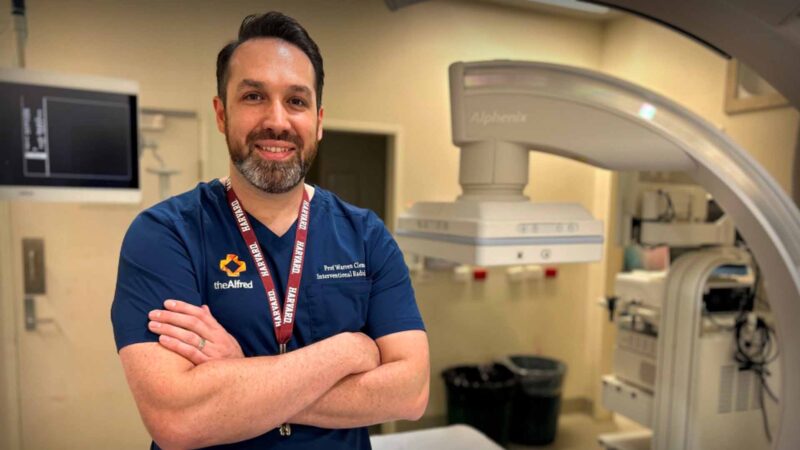
Interventional radiologists offer alternative to hysterectomy
In Australia in the last five years, an estimated 6066 women per year have undergone hysterectomies to treat fibroid-related diseases, while just 145 women each year have undergone a uterine artery embolisation, or UAE.
The procedure can effectively treat the majority of bleeding uterine fibroids. Each year, thousands of Australian women undergo invasive and life-altering hysterectomies to treat debilitating pain and blood loss caused by uterine fibroids. But there’s another option: a minimally invasive, pin-hole procedure that treats the symptoms, yet leaves the uterus intact.
-
Professor Jeffrey Braithwaite on patient safety and health systems improvement
Professor Jeffrey Braithwaite is Founding Director of the Australian Institute of Health Innovation, Director of the Centre for Healthcare Resilience and Implementation Science and Professor of Health Systems Research at Macquarie University.
Professor Jeffrey Braithwaite is a leading health services and systems researcher with an international reputation for his work investigating and contributing to systems improvement.
The Australian Healthcare and Hospitals Association (AHHA) recently announced it will award the 2021 Sidney Sax medal for outstanding contributions to the development and improvement of Australia’s healthcare system to Professor Jeffrey Braithwaite.
Post Views:
1,093
Patient family develops app for improved adherence and clinical outcomes

Categories
- Allied Health 21
- Associations 57
- ARCS Australia 6
- Australasian College of Paramedicine 2
- Australian College of Nursing 13
- Australian Healthcare and Hospitals Association 9
- Australian Primary Health Care Nurses Association 3
- Consumers Health Forum of Australia 3
- Medical Technology Association of Australia 11
- Medicines Australia 2
- Pharmacy Society of Australia 5
- Royal Australian College for General Practitioners 3
- Australian state 35
- Awareness 3
- Bowel and Intestine 3
- Brain and Mind 30
- Cancer 9
- Career 55
- Charities 1
- Chronic disease 3
- Clinical Trials 31
- Conferences 14
- Core muscles 2
- Dental 14
- Dermatology 1
- Ear, nose and throat ENT 2
- Education 19
- Endocrinology 7
- Episodes 6
- Eye Health 5
- FULL CIRCLE DIGITAL HEALTH 1
- Gastroenterology 2
- General Practice 13
- Global Health 1
- Government 30
- Haematology 2
- Health System 114
- Accessibility 5
- Allied Health 3
- Awards and Recognition 6
- Comprehensive Centre 1
- Consumer involvement 3
- Decision Support 1
- Disease Preparedness 1
- Funding 1
- Government 18
- Health Policy 9
- Industry 2
- Job Skills and Training 6
- New Models of Care 14
- Occupational Therapy 5
- Population screening 2
- Preventive Health 4
- Private Health 1
- Public Health 6
- Regulatory and Reimbursement 6
- Scope of Practice 5
- Social Prescribing 1
- Value-Based Health Care 4
- Workforce growth 12
- Workforce Survey 1
- Workforce wellbeing 6
- Heart 7
- Hospitals and Clinics 63
- Anaesthesia 3
- Co-design and adoption 6
- Construction 2
- COVID-19 3
- Emergency Department 7
- Environment / Sustainability 3
- Equipment 2
- Funding and Operating Models 7
- Health Services and Systems 4
- Infection Control 4
- Planning, Culture and Growth 2
- Point of Care 4
- Private Hospitals 1
- Surgery 6
- Workflow 1
- Wound Management 2
- Immunology 2
- Industry 1
- Infectious disease 1
- Innovation 11
- International health and research systems 1
- Lived Experience 2
- Lung 4
- Markets 1
- Media Partners 3
- Medical Devices 19
- Medical Imaging 7
- Medical Management 1
- Medical Research 27
- Medical Technology 6
- Medicine 12
- Microbiota 1
- Musculoskeletal 6
- New Content 331
- Nursing 36
- Nutrition 3
- Oncology 6
- Op-Ed 3
- Oral Health 4
- Paramedics 5
- Patients 17
- Pharmacy 13
- Philanthropy, Foundations and Charity 2
- Population 80
- Aboriginal 3
- Cosmetic surgery 1
- Defence 2
- Disability 3
- Diversity, inclusion and equity 3
- Frail, Homebound and Bedridden Population 4
- Homeless 1
- Marginalised 1
- Men's Health 1
- Middle-aged 2
- New Parents 1
- Newborn / Neonatal 1
- Paediatric 13
- Palliative 2
- Rural and Remote 8
- Seniors and Aged Care 10
- Veterans 1
- Women and child birth 7
- Women's Health 14
- Youth 2
- Primary Health 16
- Region 1
- Reproduction, pregnancy & child birth 1
- Research 40
- Research to Practice 1
- Space Health & Medicine 2
- Startups 3
- Technology 46
- Training and Career 33
- Workforce sustainability 1