
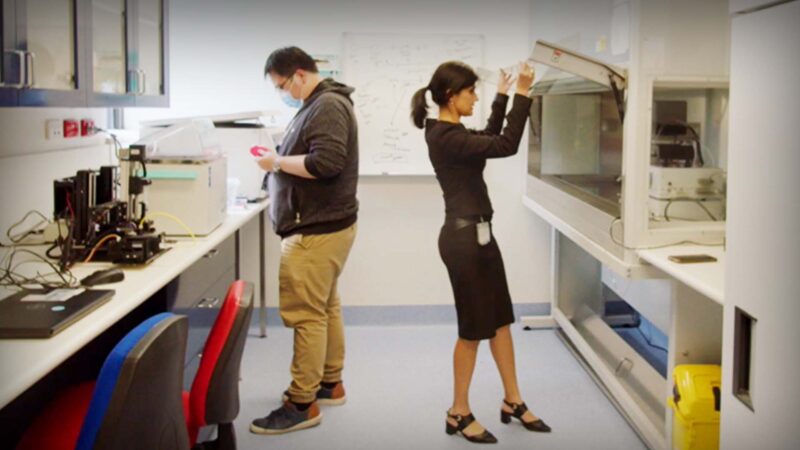
Surgeon-scientist path laid for medical device research
In 2022, Distinguished Professor Gordon Wallace AO and Professor Mukherjee jointly established Beyond Science as a clinician led, academically supported and clinician run Australian-first medical technology translation program.
The program is aimed at early career researchers and clinician-scientists working in medical device research specifically in otolaryngology (ear, nose, and throat), head and neck surgery.

Rapid trend shift in radiology technology and accessibility
Dr Mansoor Parker obtained his medical degree from the University of Tasmania. He then completed his specialist radiology training at Nepean Hospital, Sydney with subspecialty interests in Interventional Radiology and Pain Management, Musculoskeletal, Cardiac and Abdominal Imaging. Dr Parker is a qualified specialist since 2005 and is a member of the Royal Australian and New Zealand College of Radiologists and the exclusive Australasian Musculoskeletal Imaging Group (AMSIG) as well as the Interventional Radiology Society of Australasia (IRSA).
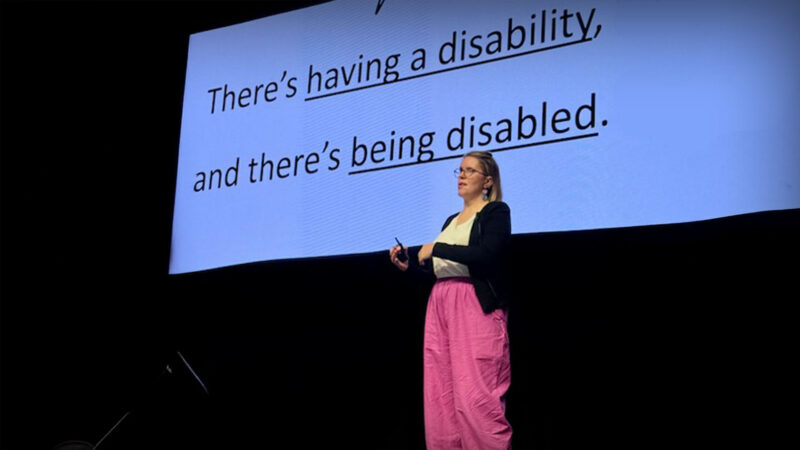
Reducing patient accessibility barriers in the clinical setting
Hannah McPierzie is a globally respected presenter, disability advocate, and educator who offers a unique perspective on disability and communication. She lives with Neurofibromatosis Type 2, a rare degenerative condition, and has two auditory brainstem implants. After 15 years teaching in the disability sector, Hannah acquired disability herself in 2020, when life-saving surgery left her deafblind.

Confronting picture of growing women’s health crisis in uterine cancers
Uterine cancers have become Australia’s fastest-growing women’s cancer, with incidence doubling over the past 25 years and projected to continue to surge. Without immediate action, more than 44,000 women are expected to be diagnosed by 2035, and 8,900 will lose their lives to the disease.
Released November 2025, Australia’s first State of the Nation: Uterine Cancers in Australia 2025 report by the Australia New Zealand Gynaecological Oncology Group (ANZGOG), reveals a confronting picture of a growing women’s health crisis that has gone largely unseen and one that now requires immediate, coordinated national action.

Medical research institutes association responds to draft national research strategy
On 27 August 2025, the Minister for Health, Disability and Ageing announced the release of the draft National Health and Medical Research Strategy (the National Strategy).
Involved in the initial consultation phase, was the Association of Australian Medical Research Institutes (AAMRI), the peak body for medical research institutes across Australia. Member institutes work on a broad spectrum of human health issues such as preventive health, chronic disease, mental health, immunology and Indigenous health. Their research ranges from fundamental biomedical discovery through to clinical research and the translation of research findings.

Patient family develops app for improved adherence and clinical outcomes
Darron Goralsky, a physiotherapist with over 30 years of experience, is the Clinical Director and Founder of Melbourne TMJ and Facial Pain Centre. He leads a multidisciplinary team dedicated to treating jaw pain, facial pain, and headaches. Goralsky has observed a rise in musculoskeletal issues among younger populations, largely due to increased screen time and poor posture, trends that intensified during the COVID-19 pandemic. Emphasising technology integration and patient responsibility, he believes digital health solutions play a crucial role in improving adherence and outcomes for both patients and caregivers.