
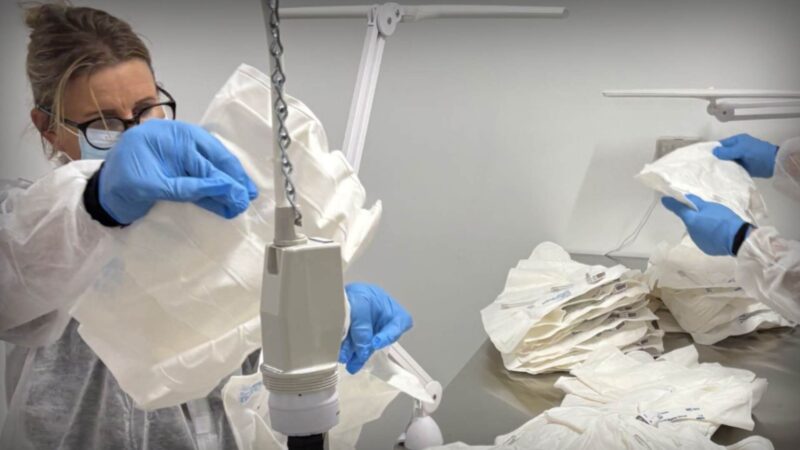
Bringing the circular healthcare economy to life
Neroli Manning is the Managing Director for Cardinal Health Australia & New Zealand (ANZ). With over 30 years of experience in the healthcare industry, Neroli is a transformative leader known for her people-first, customer-centric leadership style.
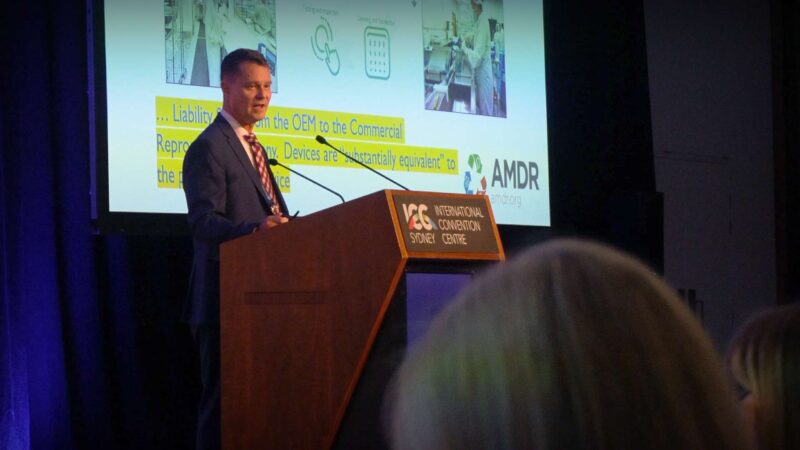
Circular use of medical device technology and evolving policy and regulatory frameworks
Healthcare sustainability is increasingly becoming a strategic priority, extending beyond environmental goals to influence procurement, regulation, costs and supply-chain resilience. Against this backdrop, medical device reprocessing is emerging as a potential pathway towards a more circular healthcare system.
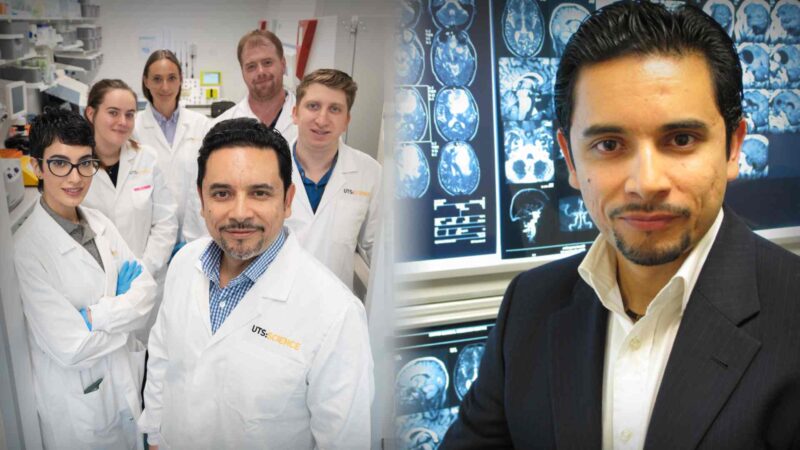
Using human skin hair follicles to treat Alzheimer’s disease
Professor Michael Valenzuela is a science opinion leader, innovator and creative thinker with a career-long commitment to the prevention and treatment of dementia.
Following that he completed graduate medicine and medical training at the Prince of Wales Hospital. In 2012, he established the Regenerative Neuroscience Group at the University of Sydney, and in 2017 became the university’s first Professor of Regenerative Medicine.
Professor Valenzuela’s group discovered a new cell type with potential for regenerative medicine, a rare neural precursor cell found deep within the human hair follicle. He is the main inventor on several related patents and is the Founder and Chief Scientific Officer of Skin2Neuron – a biotech company developing the first neurorestorative cell therapy for Alzheimer’s disease based on this work.
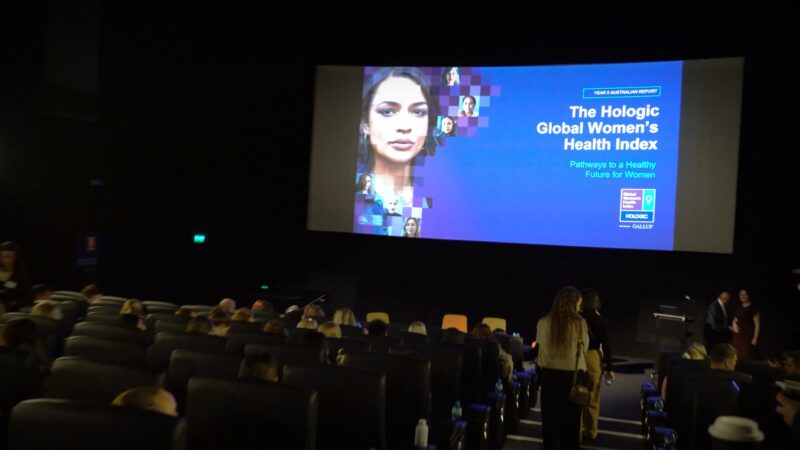
Global Women’s Health report identifies concerning drop in Australian breast cancer screening
The Hologic Global Women’s Health Index is one of the largest global reports dedicated exclusively to women’s health and wellbeing. Now in its fifth year, the Index tracks women’s health across five dimensions , Preventive Care, Emotional Health, Opinions of Health and Safety, Basic Needs and Individual Health – across 144 countries and territories, covering 97 per cent of the global adult population.

Op-Ed: CGT and proposed RDTI changes creating uncertainty in life sciences
Proposed Budget changes to the Research and Development Tax Incentive (RDTI) will disproportionally impact Australia’s biotech, medtech and health tech sector forcing more home-grown companies to consider moving overseas.
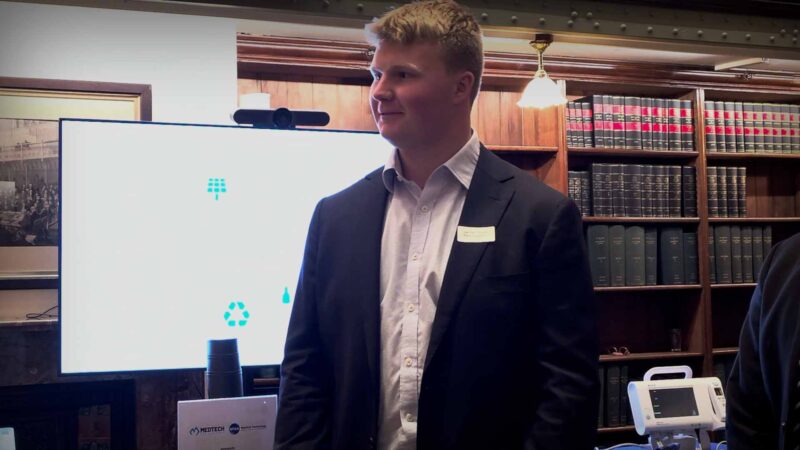
LIVED EXPERIENCE: Complex Regional Pain Syndrome (CRPS)
Lachlan Thorpe has shared his experience of living with complex regional pain syndrome (CRPS), highlighting the profound impact the condition had on his life and the difference medical technology has made to his recovery.
In an interview with the Australian Health Journal, Thorpe explained that his CRPS developed following an ankle injury sustained while playing rugby for Sydney University Rugby Club in late 2024. After undergoing surgery and rehabilitation for the injury, he began experiencing severe pain, swelling and sensitivity despite there being no further orthopaedic damage.