
-
Australian Healthcare Week 2019: Pitch Fest Finalist Coviu
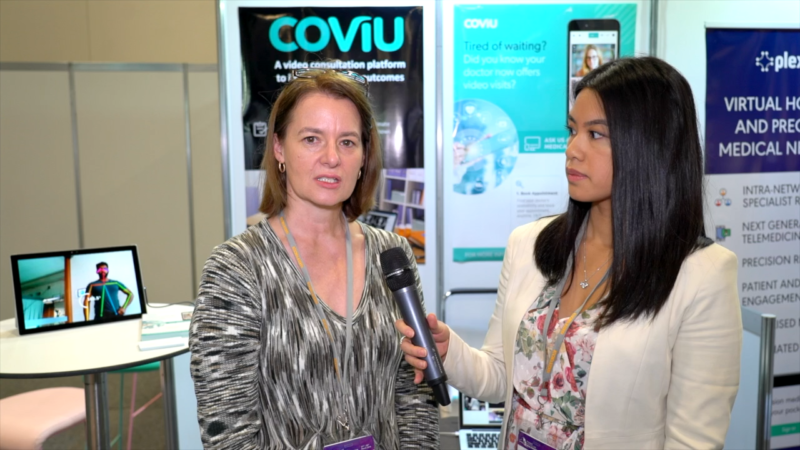
Telelheath startup company Coviu was a Pitch Fest Finalist at last week’s Australian Healthcare Week Expo in Sydney. The Coviu platform has been developed as an spinoff from CSIRO and allows healthcare businesses offer video consultations to their own patients. It differs from being just a ‘talking head’ platform that Skype or Zoom could offer, by providing clinical tools integrated within the app. Anne Dao spoke with Co-founder and CEO Silvia Pfeiffer about the company and platform’s journey to date and its longer term goals.
Coviu helps healtcare businesses by helping fit in more consultation during that day and reducing no-shows for appointments. Also given the nature of the dispersed population, the application reaches to rural and regional areas where patients are a long distance from their healthcare provider. The company is focused on the Australian market and aims to enter the US market next year
-
Physiotherapist, exercise physiologist support for management of osteoporosis
Osteoporosis is commonly managed medically and typically with treatment. Exercise is also essential in the management of osteoporosis but tends to be under-utilised due to lack of knowledge and unfounded concerns about the risk of injury. In fact, optimal care of people with low bone mass, osteoporosis and/or increased risk of falling can and should include targeted exercise to help prevent osteoporotic fracture.
In early 2024, Healthy Bones Australia released a summary of the principles of osteogenic loading and fall prevention, the translation of those principles into clinical practice, evidence-based recommendations for exercise prescription, and special considerations, along with links to several relevant resources for people with or at risk of osteoporosis, falls and fractures.
-
Sydney North Neighbourhood Health Hubs to approach health and welfare in holistic way
Many people struggle to access the right care at the right time, leading to gaps, delays, and confusion when navigating the health system. By fostering collaboration and integration, the Wellbeing Collaborative will support a primary care system that works better together, making it easier for individuals to receive early intervention and preventative care. By working together and in partnership, Sydney North Health Network aim to create more connected, accessible, and person-centred services that address key health challenges locally, including chronic illness, mental health, aged care, alcohol and other drugs (AOD), and suicide prevention.
Post Views:
552
Global Women’s Health report identifies concerning drop in Australian breast cancer screening

Categories
- Allied Health 21
- Associations 57
- ARCS Australia 6
- Australasian College of Paramedicine 2
- Australian College of Nursing 13
- Australian Healthcare and Hospitals Association 9
- Australian Primary Health Care Nurses Association 3
- Consumers Health Forum of Australia 3
- Medical Technology Association of Australia 11
- Medicines Australia 2
- Pharmacy Society of Australia 5
- Royal Australian College for General Practitioners 3
- Australian state 35
- Awareness 3
- Bowel and Intestine 3
- Brain and Mind 30
- Cancer 9
- Career 55
- Charities 1
- Chronic disease 3
- Clinical Trials 31
- Conferences 14
- Core muscles 2
- Dental 14
- Dermatology 1
- Ear, nose and throat ENT 2
- Education 19
- Endocrinology 7
- Episodes 6
- Eye Health 5
- FULL CIRCLE DIGITAL HEALTH 1
- Gastroenterology 2
- General Practice 13
- Global Health 1
- Government 30
- Haematology 2
- Health System 114
- Accessibility 5
- Allied Health 3
- Awards and Recognition 6
- Comprehensive Centre 1
- Consumer involvement 3
- Decision Support 1
- Disease Preparedness 1
- Funding 1
- Government 18
- Health Policy 9
- Industry 2
- Job Skills and Training 6
- New Models of Care 14
- Occupational Therapy 5
- Population screening 2
- Preventive Health 4
- Private Health 1
- Public Health 6
- Regulatory and Reimbursement 6
- Scope of Practice 5
- Social Prescribing 1
- Value-Based Health Care 4
- Workforce growth 12
- Workforce Survey 1
- Workforce wellbeing 6
- Heart 7
- Hospitals and Clinics 63
- Anaesthesia 3
- Co-design and adoption 6
- Construction 2
- COVID-19 3
- Emergency Department 7
- Environment / Sustainability 3
- Equipment 2
- Funding and Operating Models 7
- Health Services and Systems 4
- Infection Control 4
- Planning, Culture and Growth 2
- Point of Care 4
- Private Hospitals 1
- Surgery 6
- Workflow 1
- Wound Management 2
- Immunology 2
- Industry 1
- Infectious disease 1
- Innovation 11
- International health and research systems 1
- Lived Experience 2
- Lung 4
- Markets 1
- Media Partners 3
- Medical Devices 19
- Medical Imaging 7
- Medical Management 1
- Medical Research 27
- Medical Technology 6
- Medicine 12
- Microbiota 1
- Musculoskeletal 6
- New Content 331
- Nursing 36
- Nutrition 3
- Oncology 6
- Op-Ed 3
- Oral Health 4
- Paramedics 5
- Patients 17
- Pharmacy 13
- Philanthropy, Foundations and Charity 2
- Population 80
- Aboriginal 3
- Cosmetic surgery 1
- Defence 2
- Disability 3
- Diversity, inclusion and equity 3
- Frail, Homebound and Bedridden Population 4
- Homeless 1
- Marginalised 1
- Men's Health 1
- Middle-aged 2
- New Parents 1
- Newborn / Neonatal 1
- Paediatric 13
- Palliative 2
- Rural and Remote 8
- Seniors and Aged Care 10
- Veterans 1
- Women and child birth 7
- Women's Health 14
- Youth 2
- Primary Health 16
- Region 1
- Reproduction, pregnancy & child birth 1
- Research 40
- Research to Practice 1
- Space Health & Medicine 2
- Startups 3
- Technology 46
- Training and Career 33
- Workforce sustainability 1