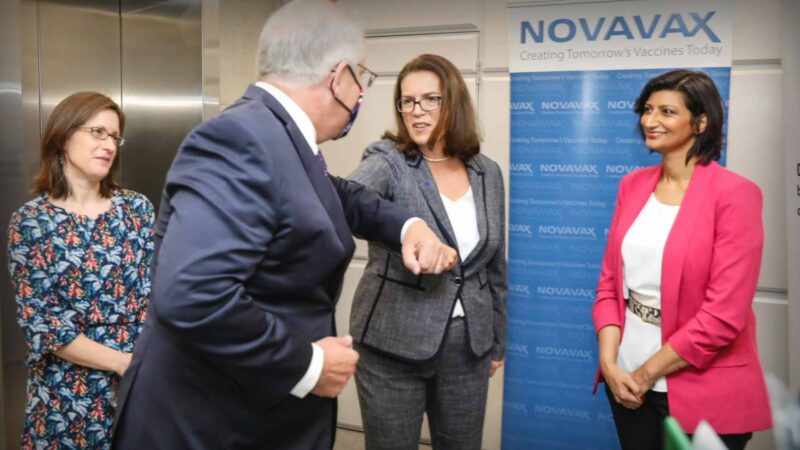
Family biz succeeds in vaccine approval & distribution
It’s been 10 years since Jenny and Karl Herz started in business. Over the past 10 years they’ve launched Biointelect and Biocelect businesses to help secure approval and distribution for new medicines into Australia.
In this Australian Health Journal interview, Jenny and Karl talk about the journey the husband and wife team took to get the Novavax COVID-19 vaccine (Nuvaxovid) approved and distributed in Australia. The journey didn’t just include talented and diverse skilled staff but also their children working in both organisations.
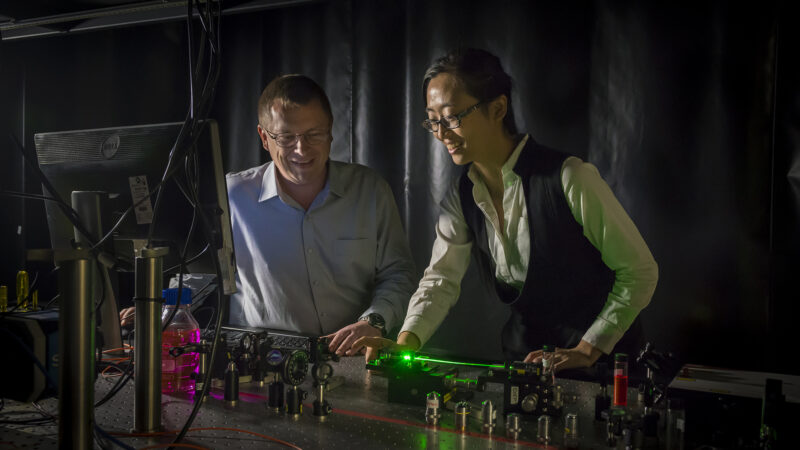
Hair’s-breadth endoscopes to detect plaque
This coming World Heart Day (29th September 2021), Australian Health Journal’s People in Health Care series, releases a segment on Dr Jiawen Li.
Dr Jiawen Li is an inventor and highly adaptable engineer leading the intravascular imaging program at the Institute of Photonics and Advanced Sensing (IPAS). She has developing an imaging device can be inserted into blood vessels to provide high quality 3D images to help scientists better understand the causes of heart attack and heart disease progression, and could lead to improved treatment and prevention.

New research papers show productivity gains and gaps
Commissioner Catherine De Fontenay talks about the Productivity Commission’s new approach to analysing health productivity, shifting the perspective from the unit measurement of individuals using the health system to the actual improvement of health. This has shown Australia’s health treatment productivity is improving, but identifies gaps in preventative health measures and duplication, where digital technology needs to be more effectively used.
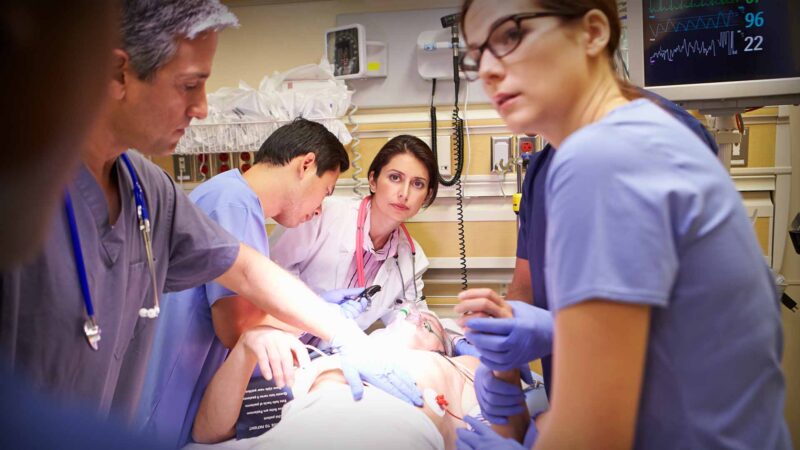
Landmark research projects tackle critical issues in emergency healthcare
For two decades, the demand for emergency department services in Australia has outpaced population growth and wait times have increased. In 2022-2023 more than 8.8 million emergency department presentations occurred nationwide.
While demand is a contributing factor, EDs are currently being impacted by various factors across the entire health system.
The Emergency Medicine Foundation (EMF) is a non-profit organisation funding innovative Australian research that improves the way people are cared for in a medical emergency. The aim of the research is to deliver better and more effective health services to save lives and money.

Challenges of delivering a person centred palliative care model
In this Op-Ed piece GP, Dr Paresh Dawda who has patients in palliative care, and palliative care nurse practitioner Nikki Johnston OAM talk about the issues that need be addressed in the Australian health system to support patients with complex care needs.

Awareness campaigns and HCP Toolkits for thyroid health
In 2021, the Australian Thyroid Foundation released analysis to show, well over 1 million Australian are living with an undiagnosed thyroid disorder, including thyroid cancer, lower IQs, lifelong disability, and a causal or possible contributory factor – in the development of other neurological disorders such as ADHD and autism. Some of the challenges for diagnosis and treatment can be addressed by producing material for health care practitioners during patient presentations.
‘Recent statistics show well over 1 million Australians are living with an undiagnosed thyroid disorder, awareness and testing can prevent unwarranted outcomes for mothers and their babies’ says ATF CEO Beverley Garside OAM
The Australian Thyroid Foundation has lodged a Pre-Budget Submission for the Federal Budget 2024-25 to counter increasing misinformation on social media creating dietary deficiencies such as an increasing number of young women, who are planning pregnancy or already pregnant opting for plant based milks such almond, soy or oat milk coffee as an alternative to standard cow’s milk, which is a source of iodine and alternate milks do not include.