In this Op-Ed piece GP, Dr Paresh Dawda who has patients in palliative care, and palliative care nurse practitioner Nikki Johnston OAM talk about the issues that need be addressed in the Australian health system to support patients with complex care needs.
The current model is discussed where there are limits on how palliative care patients can be cared for by traditional GPs and in clinical settings. The absence of a national register and definitions, affect all areas of the community, not just those who don’t have equal access.
-
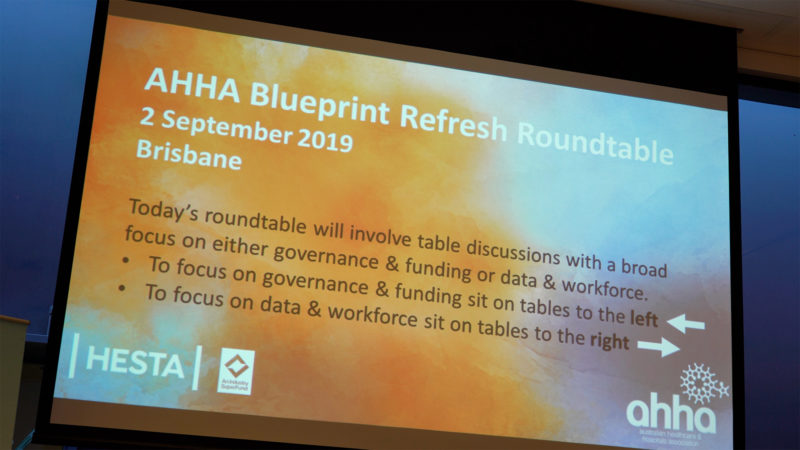
Australian Healthcare and Hospitals Association (AHHA) Blueprint Refresh Roundtable
AHHA’s Blueprint Refresh Roundtable brings together AHHA members and other Australian health leaders to evaluate the progress made to date against Healthy people, healthy systems and to tease out key policy issues that need to be addressed in order to implement outcomes-focused, value-based care in Australia.
-
Being Part of the New Health Frontier
In November last year, the House of Representatives Standing Committee on Health, Aged Care and Sport delivered its bipartisan report “The New Frontier: Delivering better health for all Australians” on the approval processes for new drugs and novel medical technologies in Australia.
Australian Health Journal spoke to some of the industry bodies who were part of the Inquiry, for their comments on the process, the report and hopes in the recommendations being implemented.
-
Greater flexibility in medicine safety programs delivered by pharmacists
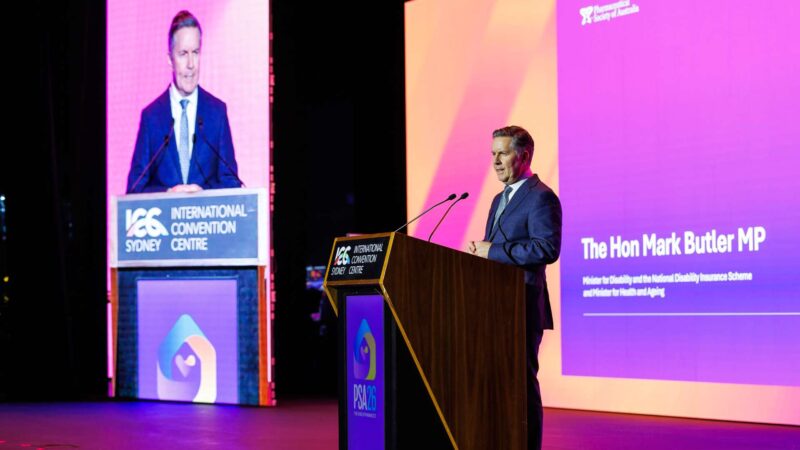
Addressing delegates at PSA26, the Pharmaceutical Society of Australia’s (PSA) yearly conference, the Minister for Health and Ageing, the Hon. Mark Butler MP, announced negotiations are progressing on the First Pharmacy Programs Agreement (1PPA), and that from 1 November, follow-up services for Home Medicines Reviews (HMRs) and Residential Medication Management Reviews (RMMRs) programs will be able to be delivered via telehealth.