
-
GP lens on Aboriginal health and COVID-19
The COVID-19 pandemic rolled through 2020 and the first half of 2021 without major lockdowns in regional communities, however recently that changed. The concern is now on vaccination rates in communities across Australia.
First Nation Aboriginal communities are at greater risk of outbreaks and transmission with low vaccination rates because of supply issues and changing advice rather than hesitancy.
-
Cardiologist broadens Tasmania’s surgical abilities
Dr Heath Adams is a Tasmanian born, bred and educated interventional and structural cardiologist who works at Hobart Private and Royal Hobart Hospital and is a researcher through the Menzies Research Institute.
Dr Adams clinical interest and expertise is in the management of aortic stenosis, valvular heart disease and acute coronary syndromes. Dr Adams performs coronary interventions including stenting, and structural heart interventions including TAVI, mitral edge to edge repair, mitral valve replacement and left atrial appendage closure. In 2020, Heath performed the first TAVI in Tasmania, is the clinical lead for the local program at the Royal Hobart Hospital and is a nationally accredited TAVI practitioner.
-
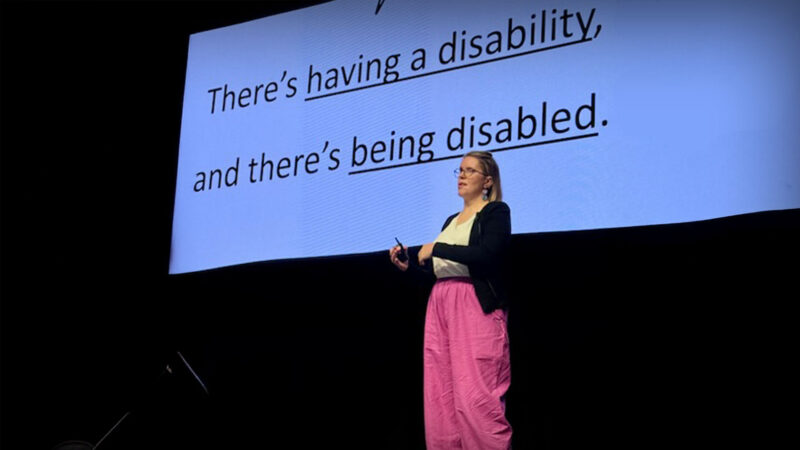
Reducing patient accessibility barriers in the clinical setting
Hannah McPierzie is a globally respected presenter, disability advocate, and educator who offers a unique perspective on disability and communication. She lives with Neurofibromatosis Type 2, a rare degenerative condition, and has two auditory brainstem implants. After 15 years teaching in the disability sector, Hannah acquired disability herself in 2020, when life-saving surgery left her deafblind.
Post Views:
3,009
Awareness campaigns and HCP Toolkits for thyroid health


Categories
- Allied Health 21
- Associations 57
- ARCS Australia 6
- Australasian College of Paramedicine 2
- Australian College of Nursing 13
- Australian Healthcare and Hospitals Association 9
- Australian Primary Health Care Nurses Association 3
- Consumers Health Forum of Australia 3
- Medical Technology Association of Australia 11
- Medicines Australia 2
- Pharmacy Society of Australia 5
- Royal Australian College for General Practitioners 3
- Australian state 35
- Awareness 3
- Bowel and Intestine 3
- Brain and Mind 30
- Cancer 9
- Career 55
- Charities 1
- Chronic disease 3
- Clinical Trials 31
- Conferences 14
- Core muscles 2
- Dental 14
- Dermatology 1
- Ear, nose and throat ENT 2
- Education 19
- Endocrinology 7
- Episodes 6
- Eye Health 5
- FULL CIRCLE DIGITAL HEALTH 1
- Gastroenterology 2
- General Practice 13
- Global Health 1
- Government 30
- Haematology 2
- Health System 114
- Accessibility 5
- Allied Health 3
- Awards and Recognition 6
- Comprehensive Centre 1
- Consumer involvement 3
- Decision Support 1
- Disease Preparedness 1
- Funding 1
- Government 18
- Health Policy 9
- Industry 2
- Job Skills and Training 6
- New Models of Care 14
- Occupational Therapy 5
- Population screening 2
- Preventive Health 4
- Private Health 1
- Public Health 6
- Regulatory and Reimbursement 6
- Scope of Practice 5
- Social Prescribing 1
- Value-Based Health Care 4
- Workforce growth 12
- Workforce Survey 1
- Workforce wellbeing 6
- Heart 7
- Hospitals and Clinics 63
- Anaesthesia 3
- Co-design and adoption 6
- Construction 2
- COVID-19 3
- Emergency Department 7
- Environment / Sustainability 3
- Equipment 2
- Funding and Operating Models 7
- Health Services and Systems 4
- Infection Control 4
- Planning, Culture and Growth 2
- Point of Care 4
- Private Hospitals 1
- Surgery 6
- Workflow 1
- Wound Management 2
- Immunology 2
- Industry 1
- Infectious disease 1
- Innovation 11
- International health and research systems 1
- Lived Experience 2
- Lung 4
- Markets 1
- Media Partners 3
- Medical Devices 19
- Medical Imaging 7
- Medical Management 1
- Medical Research 27
- Medical Technology 6
- Medicine 12
- Microbiota 1
- Musculoskeletal 6
- New Content 331
- Nursing 36
- Nutrition 3
- Oncology 6
- Op-Ed 3
- Oral Health 4
- Paramedics 5
- Patients 17
- Pharmacy 13
- Philanthropy, Foundations and Charity 2
- Population 80
- Aboriginal 3
- Cosmetic surgery 1
- Defence 2
- Disability 3
- Diversity, inclusion and equity 3
- Frail, Homebound and Bedridden Population 4
- Homeless 1
- Marginalised 1
- Men's Health 1
- Middle-aged 2
- New Parents 1
- Newborn / Neonatal 1
- Paediatric 13
- Palliative 2
- Rural and Remote 8
- Seniors and Aged Care 10
- Veterans 1
- Women and child birth 7
- Women's Health 14
- Youth 2
- Primary Health 16
- Region 1
- Reproduction, pregnancy & child birth 1
- Research 40
- Research to Practice 1
- Space Health & Medicine 2
- Startups 3
- Technology 46
- Training and Career 33
- Workforce sustainability 1