
-
Role of the Chief Nursing Officer
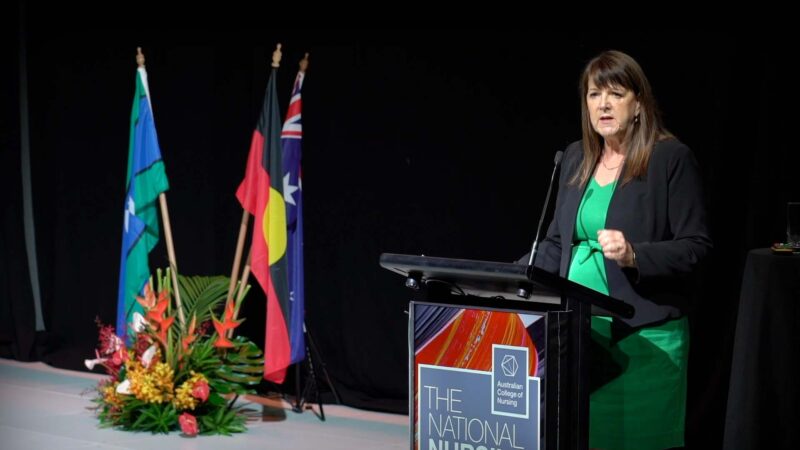
Professor Alison McMillan PSM spoke with Australian Health Journal about the role of Chief Nursing and Midwifery Officer at the Australian Government Department of Health and Aged Care.
Alison was appointed as our Chief Nursing and Midwifery Officer in November 2019.
In June 2021 Alison was awarded a Public Service Medal for outstanding public service to driving the Government’s national health response priorities during the COVID-19 pandemic, particularly to infection prevention measures.
-
Trends report identifies prototyping targets for breakthroughs in digital and hybrid futures
Vishaal Kishore, a Professor of Innovation and Public Policy at RMIT in Melbourne, serves as the Executive Chair of the RMIT-Cisco Health Transformation Lab and RMIT’s Director of Impact. Led by the RMIT-Cisco Health Transformation Lab, the National Industry Innovation Network (NIIN) Health Alliance combines the best minds, technologists, industry capabilities and academic resources to solve pressing industry and social challenges through technology-driven innovation. The NIIN aims to pool insights and expertise to address national health challenges, marking its first vertical focus on health.
-
Continuity of Care under COVID-19
Series 3, Episode 1
Under the COVID-19 pandemic, the Australian Healthcare system has handled the public health crisis by monitoring and responding to challenges in supply chains, testing & tracing of new infections and stock piling of essential equipment.
The public has largely responded by practising social distancing, understanding how hand hygiene can spread contagion and recently installing the COVIDSafe mobile application. Public health messaging has been largely effective and literacy improve, to combat the dangers of misinformation.
To open up access to medical advice during the pandemic, in March the Australian government issued MBS item codes for telehealth consultations, for advanced practice nurses as well as GPs and other specialists.
According to AMA President Dr Tony Bartone, as of mid-May 2020, around 10 million Medicare-funded telehealth services have been provided, either over the phone or via video, a significant majority of which have been provided by GPs and other specialists since the Medicare telehealth items were introduced in March.
However in recent months, the health system has mounting concerns on:
- a reduction in general practice visits for testing, investigation or immunisation
- lower rates of elective procedures resuming since being halted
- reduction in laboratory testing
- reduction in treatments and diagnosis of chronic and acute conditions
- access to, and continuing to take medications
Those with pre-existing conditions have been urged to keep appointments and routine treatments to maintain their health.
Industry has taken action such as the newly formed Continuity of Care Collaboration (CCC). The 15 health organisations forming CCC are an Australian first national communication collaboration of Peak Bodies, Industry and Healthcare Organisations coming together to stress the importance for people to continue monitoring their health and maintaining their regular care.
This Australian Health Journal episode on the continuity of care was produced with commentary from the following health industry associations and organisations: APNA – Australian Primary Health Care Nurses Association, RACGP, Medical Technology Association of Australia (MTAA), West Cessnock Medical Practice, Consumers Health Forum of Australia, Medicines Australia
Post Views:
2,019
Strategic research investments for health and prosperity


Categories
- Allied Health 22
- Associations 57
- ARCS Australia 6
- Australasian College of Paramedicine 2
- Australian College of Nursing 13
- Australian Healthcare and Hospitals Association 9
- Australian Primary Health Care Nurses Association 3
- Consumers Health Forum of Australia 3
- Medical Technology Association of Australia 11
- Medicines Australia 2
- Pharmacy Society of Australia 5
- Royal Australian College for General Practitioners 3
- Australian state 35
- Awareness 3
- Bowel and Intestine 4
- Brain and Mind 30
- Cancer 10
- Career 57
- Charities 1
- Chronic disease 3
- Clinical Trials 31
- Conferences 14
- Core muscles 2
- Dental 14
- Dermatology 1
- Ear, nose and throat ENT 2
- Education 19
- Endocrinology 7
- Episodes 6
- Eye Health 5
- FULL CIRCLE DIGITAL HEALTH 1
- Gastroenterology 2
- General Practice 13
- Global Health 1
- Government 30
- Haematology 2
- Health System 117
- Accessibility 5
- Allied Health 3
- Awards and Recognition 6
- Comprehensive Centre 1
- Consumer involvement 3
- Decision Support 1
- Disease Preparedness 1
- Funding 2
- Government 18
- Health Policy 9
- Industry 2
- Job Skills and Training 6
- New Models of Care 15
- Occupational Therapy 5
- Population screening 3
- Preventive Health 4
- Private Health 1
- Public Health 6
- Regulatory and Reimbursement 6
- Scope of Practice 5
- Social Prescribing 1
- Value-Based Health Care 4
- Workforce growth 12
- Workforce Survey 1
- Workforce wellbeing 6
- Heart 7
- Hospitals and Clinics 65
- Anaesthesia 3
- Co-design and adoption 6
- Construction 2
- COVID-19 3
- Emergency Department 8
- Environment / Sustainability 4
- Equipment 2
- Funding and Operating Models 7
- Health Services and Systems 4
- Infection Control 4
- Planning, Culture and Growth 2
- Point of Care 4
- Private Hospitals 1
- Surgery 6
- Workflow 1
- Wound Management 2
- Immunology 3
- Industry 1
- Infectious disease 1
- Innovation 12
- International health and research systems 1
- Lived Experience 2
- Lung 4
- Markets 1
- Media Partners 3
- Medical Devices 19
- Medical Imaging 7
- Medical Management 1
- Medical Research 29
- Medical Technology 7
- Medicine 12
- Microbiota 1
- Musculoskeletal 6
- New Content 336
- Nursing 36
- Nutrition 3
- Oncology 6
- Op-Ed 3
- Oral Health 4
- Paramedics 5
- Patients 17
- Pharmacy 13
- Philanthropy, Foundations and Charity 2
- Population 81
- Aboriginal 3
- Cosmetic surgery 1
- Defence 2
- Disability 3
- Diversity, inclusion and equity 3
- Frail, Homebound and Bedridden Population 4
- Homeless 1
- Marginalised 1
- Men's Health 1
- Middle-aged 2
- New Parents 1
- Newborn / Neonatal 1
- Paediatric 13
- Palliative 2
- Rural and Remote 8
- Seniors and Aged Care 10
- Veterans 1
- Women and child birth 7
- Women's Health 15
- Youth 2
- Primary Health 16
- Region 1
- Reproduction, pregnancy & child birth 1
- Research 43
- Research to Practice 1
- Space Health & Medicine 2
- Startups 3
- Technology 46
- Training and Career 34
- Workforce sustainability 1