
-
Ready to unleash the potential of the pharmacist health workforce
Last week, Associate Professor Fei Sim the National President of the Pharmaceutical Society of Australia (PSA), the peak body representing 39,000 pharmacists across Australia’s health system, spoke to Australian Health Journal about the release of the Unleashing the Potential of our Health Workforce – Scope of Practice Review. The review and final report sets out to create a clear pathway for health professionals to contribute more to our health system and practice to their full and top of scope.
-
Calls for National Social Prescribing Scheme
The Royal Australian College of General Practitioners (RACGP), Consumers Health Forum of Australia (CHF) and Mental Health Australia are urging the government to implement a national social prescribing scheme to tackle Australia’s mental health and wellbeing crisis.
Mental ill health is a growing problem in Australia and has been made worse by the COVID-19 pandemic. Since 2017, GPs across Australia have rated mental health as the most common presentation they see as part of the RACGP’s annual Health of the Nation survey. Approximately 20% of patients consult their GP for what are primarily social problems.
-
App helps Chronic Sleep Deprivation
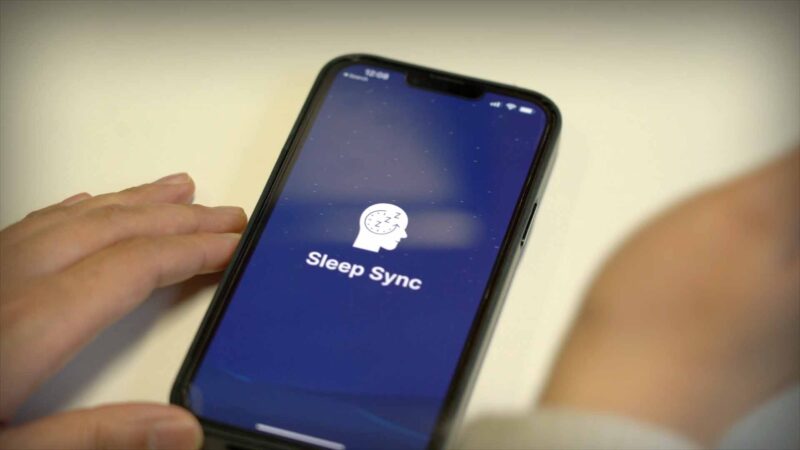
Earlier this year, Turner Institute for Brain and Mental Health researchers developed SleepSync, the world’s first app that personalises sleep-wake cycles for shift workers to improve their sleep and overall mood.
The research, led by Dr Jade Murray, was published in the journal, Digital Health. Australian Health Journal met with Dr Murray to hear how the application has evolved and been used in personalisation of sleep habits for health care shift workforce.
Post Views:
295
Reframing women’s health as a system-wide agenda across innovation, regulation, workforce and policy


Categories
- Allied Health 20
- Associations 57
- ARCS Australia 6
- Australasian College of Paramedicine 2
- Australian College of Nursing 13
- Australian Healthcare and Hospitals Association 9
- Australian Primary Health Care Nurses Association 3
- Consumers Health Forum of Australia 3
- Medical Technology Association of Australia 11
- Medicines Australia 2
- Pharmacy Society of Australia 5
- Royal Australian College for General Practitioners 3
- Australian state 34
- Awareness 3
- Bowel and Intestine 3
- Brain and Mind 29
- Cancer 9
- Career 53
- Charities 1
- Chronic disease 3
- Clinical Trials 30
- Conferences 14
- Core muscles 2
- Dental 13
- Ear, nose and throat ENT 2
- Education 17
- Endocrinology 7
- Episodes 6
- Eye Health 5
- FULL CIRCLE DIGITAL HEALTH 1
- Gastroenterology 2
- General Practice 13
- Global Health 1
- Government 29
- Haematology 2
- Health System 109
- Accessibility 5
- Allied Health 3
- Awards and Recognition 5
- Comprehensive Centre 1
- Consumer involvement 3
- Decision Support 1
- Funding 1
- Government 14
- Health Policy 8
- Industry 2
- Job Skills and Training 6
- New Models of Care 14
- Occupational Therapy 5
- Population screening 2
- Preventive Health 3
- Private Health 1
- Public Health 6
- Regulatory and Reimbursement 6
- Scope of Practice 5
- Social Prescribing 1
- Value-Based Health Care 4
- Workforce growth 12
- Workforce Survey 1
- Workforce wellbeing 6
- Heart 7
- Hospitals and Clinics 61
- Anaesthesia 2
- Co-design and adoption 6
- Construction 2
- COVID-19 3
- Emergency Department 7
- Environment / Sustainability 2
- Equipment 2
- Funding and Operating Models 7
- Health Services and Systems 4
- Infection Control 4
- Planning, Culture and Growth 2
- Point of Care 4
- Private Hospitals 1
- Surgery 5
- Workflow 1
- Wound Management 2
- Immunology 2
- Industry 1
- Infectious disease 1
- Innovation 9
- International health and research systems 1
- Lived Experience 2
- Lung 3
- Media Partners 3
- Medical Devices 17
- Medical Imaging 7
- Medical Management 1
- Medical Research 25
- Medical Technology 5
- Medicine 11
- Microbiota 1
- Musculoskeletal 6
- New Content 320
- Nursing 36
- Nutrition 2
- Oncology 6
- Op-Ed 3
- Oral Health 4
- Paramedics 5
- Patients 17
- Pharmacy 13
- Philanthropy, Foundations and Charity 2
- Population 79
- Aboriginal 3
- Cosmetic surgery 1
- Defence 2
- Disability 3
- Diversity, inclusion and equity 3
- Frail, Homebound and Bedridden Population 4
- Homeless 1
- Marginalised 1
- Men's Health 1
- Middle-aged 2
- New Parents 1
- Newborn / Neonatal 1
- Paediatric 13
- Palliative 2
- Rural and Remote 8
- Seniors and Aged Care 10
- Veterans 1
- Women and child birth 6
- Women's Health 13
- Youth 2
- Primary Health 16
- Region 1
- Reproduction, pregnancy & child birth 1
- Research 39
- Space Health & Medicine 2
- Startups 3
- Technology 46
- Training and Career 31
- Workforce sustainability 1